
From Parking Garages to Playgrounds: Urban Spots for Parkour Moves
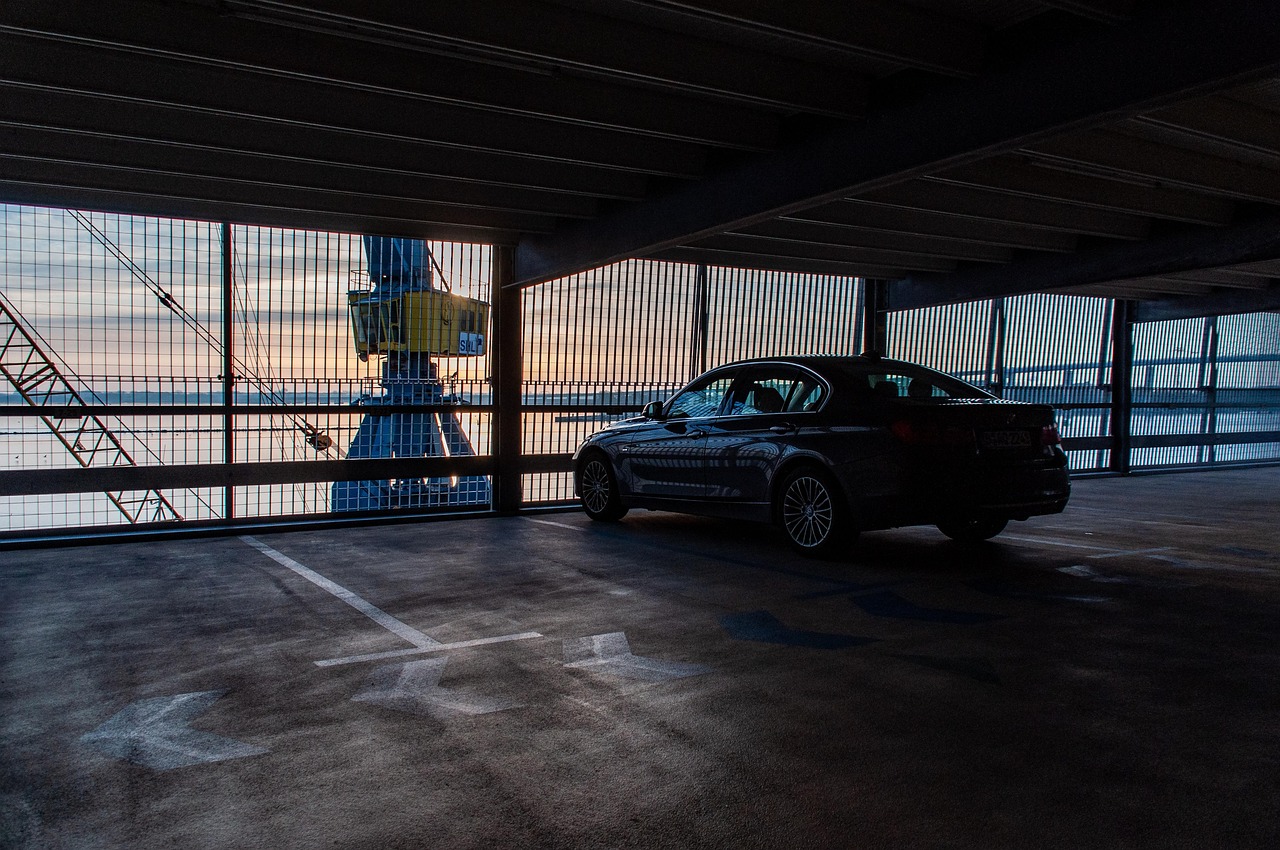
Urban environments are teeming with opportunities for parkour enthusiasts who meticulously seek out ideal spots to unleash their creativity and athleticism. Parking garages stand out as a prime location due to their inherent structure, featuring ramps, rails, and ledges that are perfect for various flips and vaults. The concrete surfaces provide durability and a reliable landing area, allowing practitioners to experiment with their moves while minimizing the risk of injuries. Many garages have multiple levels, offering a vertical playground that encourages practitioners to train in dynamic and engaging ways. The beauty of urban exploration lies in the ability to adapt to different settings. Nevertheless, it is crucial to be aware of your surroundings and respect any designated no-trespassing signs. Utilizing spaces like these also affords a sense of community, as fellow parkour lovers often gather to share techniques and motivate one another, forming bonds through shared passions. So, as you explore the urban landscape, consider parking garages as your training ground, enabling you to embrace the thrill of freedom through movement on familiar but challenging terrain.
Scouting for suitable parkour spots can expand beyond just parking garages. Playgrounds have long been treasured by movement enthusiasts as they often contain a hybrid of features such as bars, swings, and walled areas that grant various launching pads for tricks. They are vibrant spaces filled with potential energy, acting as a canvas for creativity and expression. Furthermore, these locations are safe for experimentation, especially for those new to parkour, as the equipment is designed to be kid-friendly. Engaging with local playgrounds can foster a welcoming community atmosphere, where families and practitioners alike come together. It’s essential, however, to respect public spaces and ensure our practices do not interfere with others enjoying their time at the park. Demanding agility and focus, playgrounds offer unique challenges that can be navigated at a personal pace while still encouraging social interactions. By blending in fun and exercise, enthusiasts can maximize the playground experience, learning new skills and developing strength. So remember, when scouting for urban spots, never overlook the treasures found within your community’s playgrounds, creating a perfect setting for your practice.
Rooftops present an exhilarating yet challenging environment for parkour athletes searching for unique opportunities to push their limits. They open up an expansive view of the city’s skyline, offering an ideal background for daring maneuvers and flair. It’s worth noting that rooftop training can come with heightened risks. Practitioners must familiarize themselves with the layout, ensuring all jumps and vaults are calculable and prepared for. The perception of heights can amplify self-doubt, thus mental preparation is critical. If you’re looking to explore rooftops for parkour, it’s vital to gather a group of like-minded friends who can practice, assess, and critique techniques together. Always ensure legality by checking building regulations to avoid legal ramifications, and prioritize safety throughout any session. Bathed in sunlight, surrounded by nature’s elements, rooftops imbue practitioners with a sense of freedom rarer elsewhere. Utilize this extraordinary space to hone your skills while fostering friendships and shared experiences. The sense of achievement that comes from overcoming these barriers is incomparable, combining thrill and success in one breathtaking environment.
Creative Use of Urban Furniture
A key aspect of urban spotting for parkour includes finding innovative ways to utilize furniture found in everyday life. Benches, steps, and railings provide ample opportunities for creative movements, acting as vital tools in expanding one’s repertoire. Among the most beloved aspects of urban furniture is the variety they present; each item brings with it unique dimensions and strengths. Practitioners can develop new flow patterns and improvisation skills that stem from engaging with these elements. Urban furniture is often abundant, ensuring that there is always something available for a spontaneous training session. It encourages the development of spatial awareness, essential for both beginners and seasoned athletes. When utilizing furniture, it is paramount to remain courteous to the surrounding community, practicing mindfulness, and leaving spaces as they were found. Engaging with the local environment fosters a deeper connection to one’s surroundings, showcasing the beauty of such activities that thrive on resourcefulness. So, venture into your local parks and streets; challenge your creativity through parkour by transforming those everyday objects into challenge-based exercises.
Streets and sidewalks encompass yet another realm for parkour enthusiasts exploring urban spotting. These dynamic environments reveal a wide range of gaps, street obstacles, and terrain variations that challenge movement skills. Practitioners can seamlessly engage with the rhythm of the city, performing techniques that flow naturally with the urban cadence, from basic strides to complicated flips. It is essential, however, to be vigilant and aware of traffic and pedestrians while training in these busy settings. Striking a balance between enjoying the thrill of city exploration and ensuring safety is crucial for both practice and enjoyment. City streets also offer a chance to interact with the local community, as passersby often show curiosity. Be prepared for spectators who may even cheer you on or ask insightful questions, fostering enthusiasm for parkour and possible local interest. By training on the streets, practitioners can elevate their skills, develop timing with movements, and understand the challenges that arise with more unpredictable environments. Thus, hit the streets with intention, embracing the exhilarating opportunities that lie in every urban corner while respecting their stars.
Graffiti Walls and Urban Art
Incorporating graffiti walls into your parkour routine opens up new dimensions for both artistry and style. These vibrant backdrops not only enhance your training but also serve to reflect individuality and personal expression. With colorful murals providing stunning views, parkour practitioners can capture their journey through mesmerizing photography, connecting movement with local art. Utilizing these imaginative spaces heightens the experience for both the athlete and the audience, creating powerful visuals that inspire others to explore the world of parkour. Exploring these artistic locations can also foster camaraderie among practitioners and artists alike, as collaboration often leads to inspiring new ideas. When practicing in these zones, respect for the art and surrounding environment is paramount—this ensures that local communities remain engaged. Many urban art hotspots possess unique features like walls, ledges, and surfaces that challenge one’s creative approach to movement. As such spots blend art and athletics, they present budding opportunities for exploration and experimentation. Challenge yourself to discover and appreciate the intricate relationships between parkour and the urban art that enrich our cities.
The journey of urban spotting for parkour extends to diverse public spaces such as plazas and courtyards, which can serve as perfect arenas for honing techniques. Often adorned with diverse architectural characteristics, these spaces provide ample areas for jumps, rolls, and fluid transitions between movements. Additionally, public gatherings can bolster a sense of community and excitement for the sport, highlighting parkour’s inclusion and spread within urban settings. Engaging with different styles of terrain, from smooth stones to textured bricks, allows practitioners to gain versatility in their execution. When practicing in public areas, be mindful of shared space etiquette, ensuring other users are accommodated and unhindered. Encouraging interactions with spectators can also demystify the sport and provide motivation to push boundaries. Also, make an effort to build friendships with fellow practitioners met in these spaces; shared dynamics often lead to developing skills collectively. Whether showcasing skill or seeking inspiration, plazas create an exciting backdrop for exploration. As you embark on your parkour journey, always keep an eye out for these wonderful spaces that invite creativity, connection, and flow.
To conclude, finding urban spots for parkour leads to a thrilling combination of exploration and athletic expression. Each new environment presents its unique challenges, ensuring that every training session offers a fresh perspective. From parking garages and playgrounds to rooftops and streets, each location varies in its features while expanding training possibilities. Practitioners are continually encouraged to seek out spaces that push their limits and enhance their skills. Additionally, by actively engaging with local communities, athletes can inspire others and create awareness of the beauty inherent in parkour’s movement and philosophy. Remember to respect public spaces, keeping them clean and tidy, while also being courteous to other users. Sharing space allows for connections and relationships that flourish while training alongside one another. Lastly, demonstrate creativity when incorporating urban landscape elements into your routine, transforming the ordinary into extraordinary. As you step outside, look at the world around you anew; it resonates with precedence and inspiration, urging you forward on your parkour journey.