
Hydration Strategies for Effective Golf Recovery
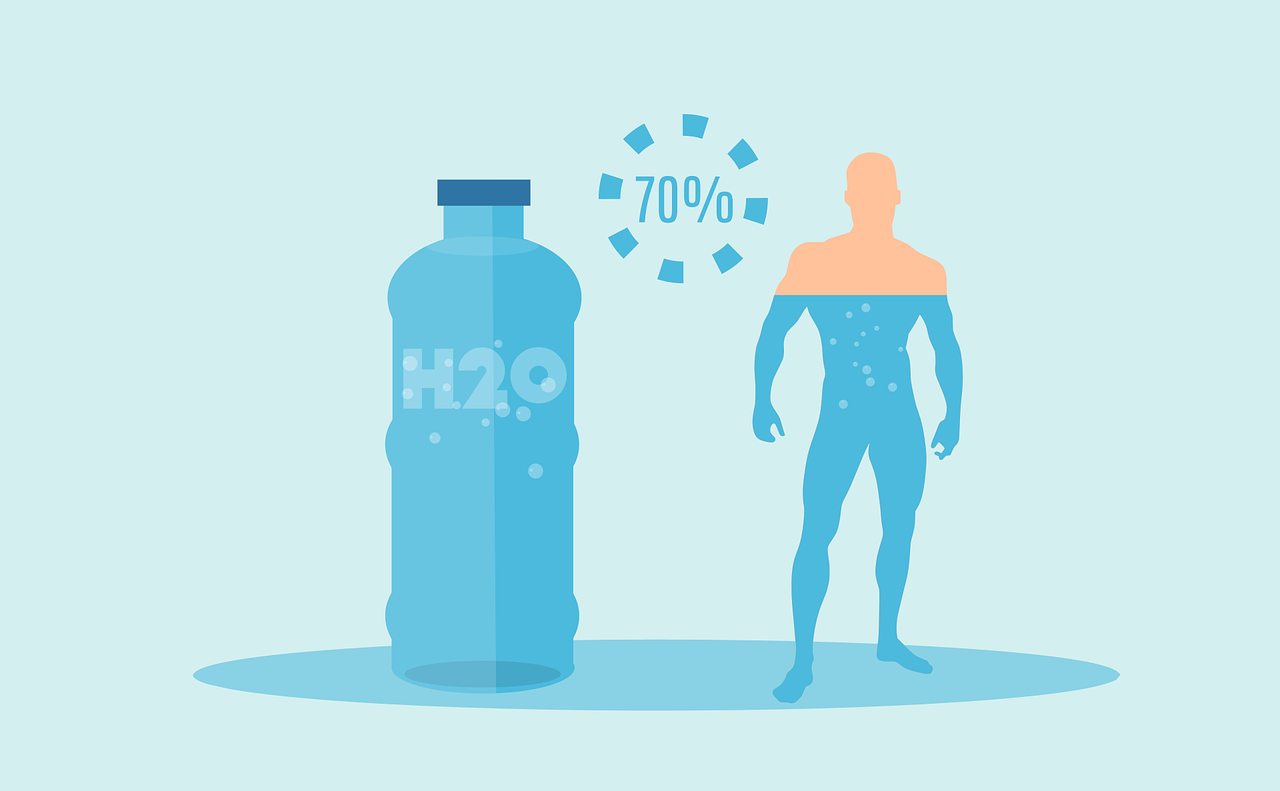
Hydration is not just essential for optimal performance on the golf course but also for recovery after a long day of play. The body loses fluids through sweat, especially during the summer months or during intense games. To enhance post-game recovery, it’s essential to replenish the fluids lost. In this regard, staying hydrated increases blood flow and aids nutrient transport to muscles, helping reduce soreness. Consider drinking approximately half your body weight in ounces of water daily, and more during games. Electrolytes play a significant role in recovery as well. These minerals help balance fluid levels within and outside cells. Include electrolyte-rich beverages or supplements post-game, especially after exceptionally long rounds. It’s also beneficial to consume water-rich foods like cucumbers and oranges, which provide hydration along with other nutrients. Establishing a consistent hydration routine can greatly impact recovery times, ensuring your body functions appropriately over time. Furthermore, remember that hydration needs vary based on individual factors such as age, weight, and level of physical exertion. Be mindful of your unique requirements to optimize your recovery strategy.
One effective strategy for hydration is to establish a pre-game routine that incorporates fluids. Before stepping onto the course, drink substantial water or an electrolyte beverage to set a solid foundation for performance and recovery. The aim is to start the game hydrated, as it can drastically reduce fatigue. While on the course, regularly sip on water instead of waiting until you’re thirsty. By doing so, you can help prevent hydration deficits as they accumulate over time. Moreover, consider keeping a refillable water bottle handy to track your intake. Using measurement markings can help ensure you’re consuming the right amount throughout the day. Post-game hydration is equally important; this is when your body replenishes lost fluids. Aim to drink at least 16 to 24 ounces of water or an electrolyte solution within two hours post-game. This helps your body recover faster and prepares you for your next round. Additionally, sports drinks can be effective post-game if they provide useful carbohydrates and electrolytes. However, always balance these options with water to maintain optimal hydration levels. Keeping hydration in focus will support your overall golf fitness.
The role of hydration in muscle recovery cannot be overstated. Dehydrated muscles are more prone to cramps and fatigue, which can impact overall performance. By ensuring that you’re adequately hydrated, you can help prevent muscle fatigue and soreness after a round of golf. Additionally, hydration affects joint lubrication and flexibility. For golfers, maintaining proper joint function is crucial to execute fluid swings without injury. During post-game recovery, consider incorporating high-quality hydration resources like coconut water or homemade electrolyte drinks. These options can replenish lost nutrients without added sugars often found in commercial sports drinks. However, individual hydration responses can vary, so tune into your body’s needs to determine the timing and quantity of fluid intake. In parallel with fluid objectives, integrating adequate rest, nutrition, and stretching routines into your recovery can bolster overall fitness and performance as well. Furthermore, setting hydration goals, such as using mobile apps or reminders, can help you stay on track in reaching your daily intake. A multi-faceted approach to hydration and recovery will support your game while enhancing your performance longevity.
Customizing Hydration Based on Conditions
Scholarly research emphasizes that hydration must be tailored to specific playing conditions, which arise from weather, intensity level, and duration of the game. In hot weather, golfers should consume more fluids as sweat rates increase dramatically; conversely, cooler conditions might require less. Play intensity also directly impacts hydration needs. A more intense session warrants increased fluid replacement. To further refine your hydration strategy, consider factors like your physical size and fitness level. Some golfers may require more than others based on physical exertion. Moreover, monitoring the color of your urine can provide real-time insights into your hydration status. Light yellow indicates proper hydration, while darker hues signal the need for more fluids. In extreme conditions such as high heat or altitude, demands on hydration are elevated. Therefore, it is crucial to plan ahead; fill hydration packs or plan stops near water stations when strategizing your game plan. Incorporate hydration breaks into your game to maintain optimal levels. A continuous flow of water can keep you focused and enhance your overall performance on the course.
Combining hydration techniques with proper nutrition can significantly enhance the recovery process. Consuming protein-rich foods helps repair muscle tissues and is most effective when coupled with hydration. Aim to incorporate proteins within 30 minutes after your game; a post-game shake or snack can be enriched with essential nutrients. Additionally, pairing these protein sources with hydration improves absorption and efficiency of nutrient delivery to muscle tissues. Foods like bananas, which are high in potassium, can reinstate electrolyte balance and contribute positively to hydration goals, enhancing both recovery and performance. It’s also worthwhile to assess how your body reacts to different beverages and determine what works best for you. Some may prefer water, while others respond better to specific sports drinks. Choosing the right beverage can improve your recovery process considerably and provide energy for future performances. Also, don’t underestimate the value of herbal teas, which can aid recovery while offering various health benefits. They can serve as an excellent hydration source throughout the day to ensure you’re meeting your requirements. Aligning recovery strategies, including hydration with nutrition, supports better outcomes on the golf course.
The Importance of Individualization in Hydration
The importance of individualized hydration plans is paramount in achieving effective golf recovery. Every golfer is unique, possessing distinct body compositions, climates, skill levels, and hydration responses. As a result, general recommendations should be tailored to fit individual circumstances. Establishing personal hydration benchmarks can be a powerful tool to help optimize recovery. Whether through fitness trackers, personal logs, or nutritional apps, keeping a record of your drinking patterns may guide improvements. This enables insight into personal habits and choices, enhancing awareness of your hydration status. Moreover, enlisting the help of professionals, such as registered dietitians, can refine a personalized hydration strategy. These experts can evaluate your hydration needs based on athletic performance levels, lifestyle factors, and specific goals. They can also provide valuable education on how to effectively integrate proper hydration and nutrition into your training regime. Understanding that hydration is more than just quenching thirst allows golfers to make more conscious choices. Developing a sustainable, individualized hydration plan will improve not only recovery post-game but also performance during play.
Finally, both golfers and their coaches need to emphasize the importance of hydration education. A well-informed approach to hydration allows players to perform at their best and recover effectively. Awareness of different fluid sources, especially when playing in varying temperatures, can aid in establishing better practices. Choose hydration methods that suit personal preferences, whether liquid options, foods, or supplements. Engaging in discussions about hydration encourages other golfers and even fans to share their hydration strategies. A community of players focused on improving fitness through hydration can create an uplifting atmosphere. Consider incorporating hydration education into pre-game discussions or practice sessions. This teamwork fosters a culture of personal wellness and develops a comprehensive understanding of the impact hydration has on each player’s performance. Establishing a collective commitment towards hydration not only enhances individual outcomes but also brings teams together. In summary, effective hydration strategies are essential for optimal recovery and golf fitness. By exploring best practices tailored to individual needs, players can enhance their ability to recover and thrive on the golf course, ensuring long-lasting performance benefits.
In conclusion, hydration strategies for golf recovery are vital for maintaining physical health and enhancing performance on the course. By integrating pre-game hydration routines, keeping track of fluid intake, and actively recognizing bodily signals, golfers can significantly improve recovery outcomes. Post-game hydration aids in reducing soreness while preparing the body for future games. Individual differences must be accounted for in developing personalized hydration strategies that cater to distinct physical and environmental conditions. Nutritional support complements these hydration approaches by ensuring that the body receives necessary nutrients for muscle and joint recovery. Ongoing education surrounding hydration remains essential. Learning about various hydration options broadens the potential to find what works best for each player’s preferences, promoting community discussions on wellness in sports. It’s important that golfers continuously strive towards improving their hydration practices collectively, fostering an environment eager to share knowledge and experiences. This culture of shared insights can drive a greater understanding of the role of hydration in golf fitness, ultimately boosting both individual and team performances. By prioritizing hydration as a fundamental part of golf fitness and recovery, players can enhance their overall experience on the course and enjoy the game even more.