
Music Editing Tips for Seamless Dance Aerobics Transitions
Creating an energizing atmosphere is essential in dance aerobics, and music editing plays a crucial role in achieving seamless transitions. To start, consider selecting tracks that fit your routine’s energy levels. Using a software like Ableton Live or Audacity can help you cut and merge tracks effectively. Begin with identifying the beats per minute (BPM) of your chosen songs, as this is vital. A slow track can be complemented with a faster tempo song, but transitions must align. Once you’ve chosen your tracks, listen for logical transition points where movements change. Match the musical elements to the choreography—a build-up can coincide with a high-energy segment in your routine. You can also utilize sound effects or silence to enhance these shifts. Another effective method is to loop certain phrases and insert breaks for variety. Testing the edited tracks within the context of your aerobics session is essential. Ultimately, ensure that the transitions feel natural, as smooth shifts in music can elevate the overall experience of your dance aerobics class.
When editing music for dance aerobics, timing is absolutely crucial. Understanding how to utilize timings and cues effectively can elevate your choreography tremendously. Start by importing tracks into your editing software. Familiarize yourself with the timeline, which allows you to see the visual representation of audio. This is where you will decide when to cut or fade out sections. To achieve seamless transitions, use overlapping sounds. For instance, you can fade out the current track while bringing in the new track. This offers a smooth auditory transition. Consider using crossfade options—common in software like GarageBand—where one track gradually reduces in volume while another increases, creating an audio bridge. Additionally, ensure that the energy level maintains a consistent flow throughout your routine. Changing music abruptly can disrupt the energy. Using a metronome or counting beats can help you maintain timing while editing. After you’ve made initial edits, allow time for feedback. Partner with fellow instructors or fitness enthusiasts who can provide insights on the effectiveness of transitions and overall musical flow during practice sessions.
Choosing the Right Software for Editing
Selecting the right audio editing software is vital for effective music editing tailored to your dance aerobics routines. There are numerous options available, each offering distinct features suited for various levels of expertise. Adobe Audition is professional-grade software known for its advanced tools, making it perfect for instructors looking for comprehensive music creation options. For beginners, GarageBand simplifies the editing process and is user-friendly. Ableton Live, on the other hand, is favored by DJs and offers live performance options alongside editing features. Another notable option is FL Studio, which allows for extensive customization and has a wide range of plugins. Depending on your specific needs, you may even want to explore free options like Audacity, which is robust yet offers limited features. Take time to explore different interfaces, as familiarity with your chosen software can significantly influence your editing speed and quality. Once you select a software program, invest time in learning its functionalities through tutorials and practice to maximize your efficiency and creativity while editing your dance aerobics music.
Emotion plays an integral role in dance aerobics music transitions. When curating your soundtrack, think about how different songs elicit emotions that can complement specific routines. For example, an upbeat, lively track can motivate your audience during cardio, while a slower melody could match stretching phases. Make sure transitions reflect the emotions of the choreography. Incorporating crescendos can enhance impactful movements, while decrescendos can effectively signal a cool-down period. It’s essential to allow the music to guide your choreography. When editing, consider how the lyrics or instrumental sections of the music can enhance interactions within the class. Changes in melody can encourage changes in energy levels. A sudden key change can excite participants, while bringing the melody down can provide a nice closure. Additionally, aim to have a coherent musical story throughout your dance session. Cohesion improves participant engagement and can lead to a more enjoyable experience overall. Discuss your choices with your class participants to gather feedback and continually refine your music edits based on their positive or negative responses.
Using Tempo Variations
Understanding tempo variations is crucial in dance aerobics music editing. The tempo of a song impacts the participant’s energy level and the overall flow of the class. When you select tracks, always ensure they have a tempo that matches the intensity of your routine. If your choreography includes several high-energy movements, aim for tracks with a quicker BPM. Conversely, slow down during relaxation or cool-down sections. Mixing tempos within a single routine can create dynamic contrasts that keep participants engaged—and finding the right balance is key. This can involve strategic cuts and transitions to maintain a rhythmic coherence. You could also consider adding half or double time segments to individual songs, which aids in accentuating specific choreographed moments. Editing can involve speeding up slower sections or slowing down faster tracks, providing fresh interpretations of familiar songs. Utilize varying vocal qualities from artists, as some voices can be more energizing than others. As you edit music, keep experimenting with various tempos and see how they correspond with your choreography’s movements and overall energy shifts.
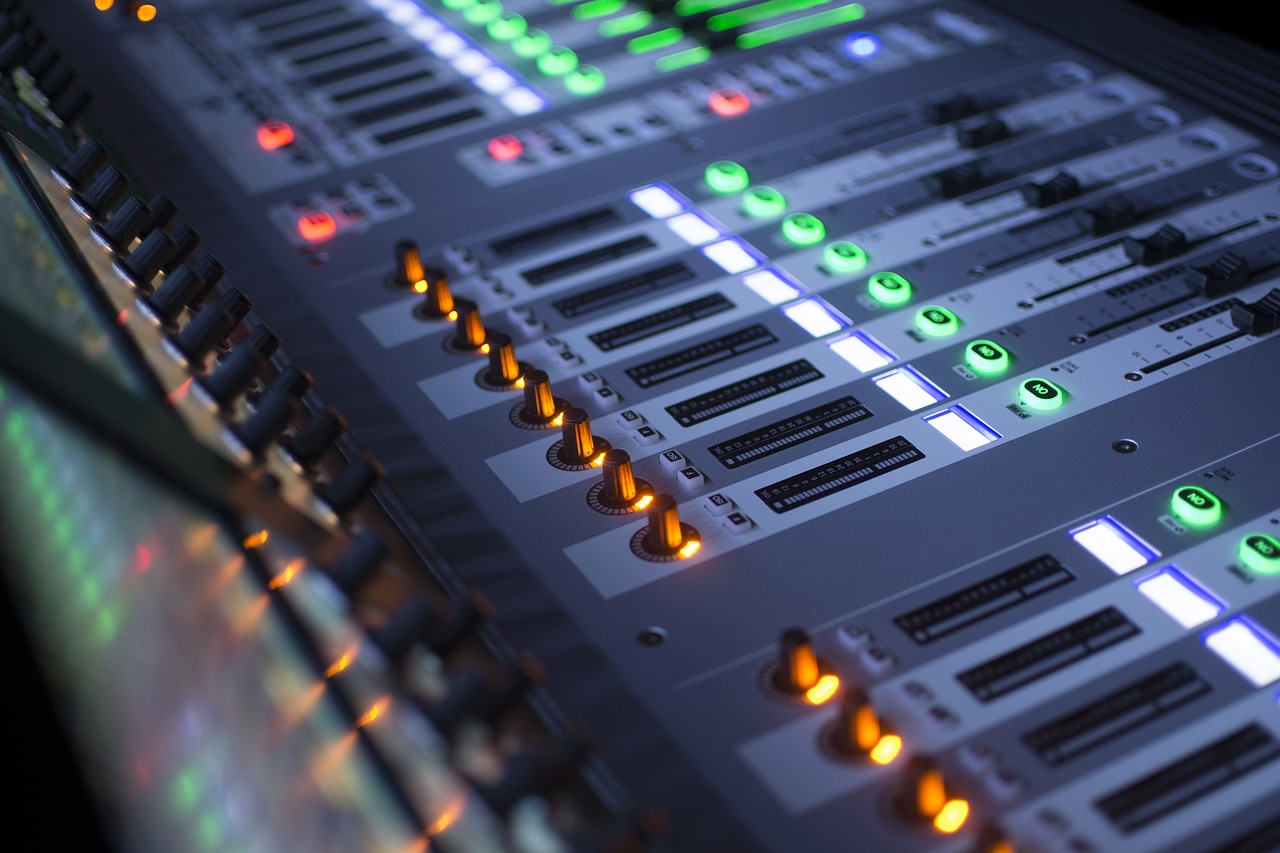
Consider sound quality when editing music for your dance aerobics routines; the quality of your tracks significantly affects the effectiveness of your transitions. It’s advisable to use high-quality audio files, such as WAV or AIFF formats, for better sound clarity. Low-quality MP3 files may lead to a loss of fidelity, diminishing the overall experience of your class. Additionally, pay attention to the EQ settings when mixing your tracks. Ensuring the frequencies don’t clash will help in delivering a more polished sound. Use equalization tools in your software to boost or cut certain frequencies accordingly. For dance aerobics, treble enhancements can uplift energetic beats, while some bass reduction can help maintain clarity during rapid movements. Incorporating sound effects is also a fun way to enhance transitions; for instance, clapping or vocal beats can add excitement. However, moderation is key. Excessive effects can distract from the choreography. Always test your audio setup before the class, ensuring your speakers can handle the dynamic shifts created by the edited music without distortion. These elements together contribute to a more professional and captivating aerobics session.
Final Review and Feedback
Once you finish editing your music tracks, the final review and gathering feedback becomes an essential part of the process. Invite trusted peers or fellow instructors to listen to your edited tracks. Getting different perspectives allows you to identify any areas that may need improvement. Encourage them to focus on how well the transitions flow and the overall energy of the piece. Feedback on whether the selected music meets the pacing of your choreography is also invaluable. Sometimes, what sounds great during editing might not translate the same way in practice. Consider hosting a series of trial classes incorporating your newly edited music, so you can assess how the class responds to the transitions live. Look for participant engagement and enthusiasm—these are key indicators that your music fits well with the routine. Additionally, be open to making adjustments based on participant responses. The feedback loop will enhance your skills and ensure you create music edits that resonate with a diverse range of participants, ultimately improving their dance aerobics experience.
In conclusion, effective music editing is paramount in delivering dynamic dance aerobics classes. Mastering techniques such as proper software selection, understanding tempo variations, sound quality management, and gathering valuable feedback will elevate your sessions. Always remember that the music serves as an essential supporting element to your choreography; seamless transitions will enhance the overall impact. Creating an emotional connection through music can motivate participants to engage and enjoy their workout more thoroughly. As you refine your skills, continue exploring different music styles and editing techniques to keep your classes fresh and innovative. Over time, you will develop a repertoire of tracks that work seamlessly for different routines. Experimenting with sounds and transitions not only improves participant experiences but also enriches your creative expression as an instructor. With practice and dedication, you can craft an unforgettable experience that paves the way for growth in your dance aerobics classes. Stay attuned to the rhythm, let the music guide your choreography, and focus on creating inspiring lessons that keep your students excited about their fitness journey.