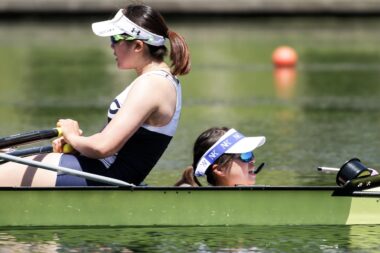

Rowing Safety for Kids and Youth Athletes
Engaging in rowing offers many benefits for kids and youth athletes, including strength, coordination, and teamwork skills. However, safety should always be the foremost concern. Each rower must wear a properly fitted personal flotation device (PFD) at all times. Ensure the equipment is suitable for the child’s size and weight since personal safety gear could be the difference during an emergency. Before every outing, check the boat for any damages, ensuring it’s in top condition. Additionally, having a safety plan is essential; familiarize everyone with the emergency protocols. This means knowing how to signal for help, where the life jackets are stowed, and practicing man-overboard drills. Furthermore, ensure that there is always an adult supervisor present, especially for younger children. The instructor should be CPR and first aid certified. Before sending kids out in the boat, assess the weather conditions. It’s better to postpone activities if inclement weather is present. Also, teach children to avoid distractions when on the water; their attention should be focused on rowing and their surroundings to prevent accidents. Always establish and maintain a proper safety culture in rowing practices.
Communication on the water is essential for safety. All team members should have a good grasp of verbal commands used during rowing. Use clear and concise terminology that everyone understands. This prevents confusion and helps maintain awareness of surroundings. Implementing non-verbal signals can also be beneficial, particularly during competitive rowing. Relying solely on shouting commands may not be effective amidst splashing water and wind. Encourage rows to practice these signals regularly so using them becomes second nature. When out on the water, rowers should be aware of other water traffic, including motorized vehicles and other boats. Each athlete must learn the best practices for sharing the water to prevent collision, including maintaining proper distance and understanding right-of-way rules. Inform kids about the potential hazards in the water, like low bridges, docks, and submerged objects. Paying attention to safety on the water is crucial. At the end of the day, the most important aspect of rowing is the overall fun and engagement. Young athletes should feel encouraged to express any discomfort or fear regarding rowing. Create an environment where safety is prioritized and can be openly discussed among coaches and participants.
Another important aspect of rowing safety is ensuring proper attire. Athletes should wear appropriate clothing that allows for easy movement while preventing entanglement during rowing. Avoid loose clothing that could get caught in equipment, leading to accidents. Instead, opt for fitted athletic wear that breathes well and protects against the sun, like moisture-wicking materials. In addition, footwear should be secure and suitable for water activities. Special rowing shoes or sandals that can withstand splashes while providing grip are beneficial. During practice sessions and competitions, make sure the young athletes understand the significance of a warm-up routine. Proper warm-ups and cool-downs help to prevent injuries, making it an essential part of any rowing activity. Stretching out before and after rowing aids in maintaining flexibility and reduces soreness during demanding activities. Incorporate dynamic stretching into the warm-up session for proper muscle preparation. Furthermore, ensure all athletes learn to navigate and correct improper rowing techniques that can lead to injuries over time. Teach them how to maintain proper posture, adjust their grip on the oar, and practice safe rowing techniques to make their experience safe and enjoyable.
Emergency Preparedness in Rowing
Rowing clubs and teams should establish protocols for effectively handling emergencies. Each child must be informed about the procedures in place in case something goes wrong. This includes what to do if someone falls overboard and how to assist a fellow rower who may be in trouble. Regular drills would help build confidence among athletes. Conduct periodic training sessions that cover various scenarios, from getting back into the boat to signaling for help. Engage kids with real-life examples to facilitate understanding, allowing them to practice what they learn. Educators and coaches should frequently evaluate the emergency gear onboard, which includes the signaling devices like whistles or flares. Familiarize athletes with their use and ensure they know their locations on the boat. Checking the weather updates before practice or races should be standard practice. Prepare strategies depending on the conditions, particularly if strong winds or adverse weather arises unexpectedly. Also, provide quick access to a first aid kit in case of minor injuries. Equip coaches with the necessary training to deal with first aid situations until professional assistance arrives, ensuring the health and safety of every athlete is prioritized.
Proper hydration and nutrition play vital roles in maintaining safety and performance for young rowers. It is essential to encourage athletes to drink plenty of fluids before, during, and after rowing activities. Monitoring hydration levels helps prevent fatigue, cramping, and heat-related illnesses. Coaches should educate participants on the importance of recognizing early signs of dehydration like dizziness and excessive thirst. Nutrition should emphasize balanced meals to support energy needs. Guide young athletes to consume a variety of food groups, including carbohydrates for energy, proteins for muscle repair, and fruits and vegetables for vital nutrients. Additionally, discuss the dangers of consuming unhealthy snacks before rowing practice. Instead, offer healthier options that keep them fueled and focused throughout their time on the water. Emphasize the importance of regular meal schedules and proper eating habits. Coaching staff can even consider organizing workshops to teach nutritional knowledge tailored for young athletes. Instilling healthy habits early will benefit rowers not only in their sport but also in their overall well-being. Lastly, reinforcing the importance of a balanced diet not only enhances performance but also supports the long-term health of rowers.
Parental Involvement in Safety Practices
Parents play a significant role in promoting safety in youth rowing. Encourage them to remain engaged during practices and competitions, and communicate with coaches consistently. By fostering transparent communication, parents can express any concerns or suggestions they may have regarding safety measures in place. Also, parental participation helps reinforce safety awareness among young athletes. Providing transportation to and from events places the responsibility on parents, and ensuring their child is equipped with the necessary safety gear is vital. It is also beneficial for parents to attend meetings or workshops on rowing safety along with their children. This reinforces the importance of safety protocols and cements a collective approach to safety. Active involvement fosters a community of vigilance and support, essential for creating a safe rowing environment. Additionally, parents should educate their children on relaying important safety rules learned from their clubs while reinforcing these concepts at home. Establishing these habits early encourages safety awareness throughout their rowing careers. Ultimately, a collaborative effort among parents, coaches, and athletes promotes a positive safety culture beneficial to all participants.
In conclusion, ensuring safety for kids and youth in rowing activities is attainable through numerous strategies. Establish consistent safety protocols while ensuring everyone understands them. Prioritize communication among athletes, coaches, and parents, as this strengthens safety culture within teams. Regular safety drills combined with effective training can prepare young athletes for various scenarios they may face during rowing. Always promote hydration and nutritional education, emphasizing their effects on performance and safety. Continuous evaluation of equipment, weather conditions, attire, and emergency preparedness further enhances overall safety measures. Additionally, involving parents in these discussions reinforces the importance of safety for young athletes both on and off the water. Seek feedback and adapt safety protocols as necessary, keeping an open line for consultation to improve the effectiveness of the safety measures. It encourages a dynamic safety environment essential for young rowers. By prioritizing organization, awareness, and education, rowing clubs can establish a culture that highlights safety as a core value, ultimately enhancing the experience for children involved in the sport. Encourage all stakeholders to care about the well-being of young rowers, ensuring their experiences remain fulfilling and safe.