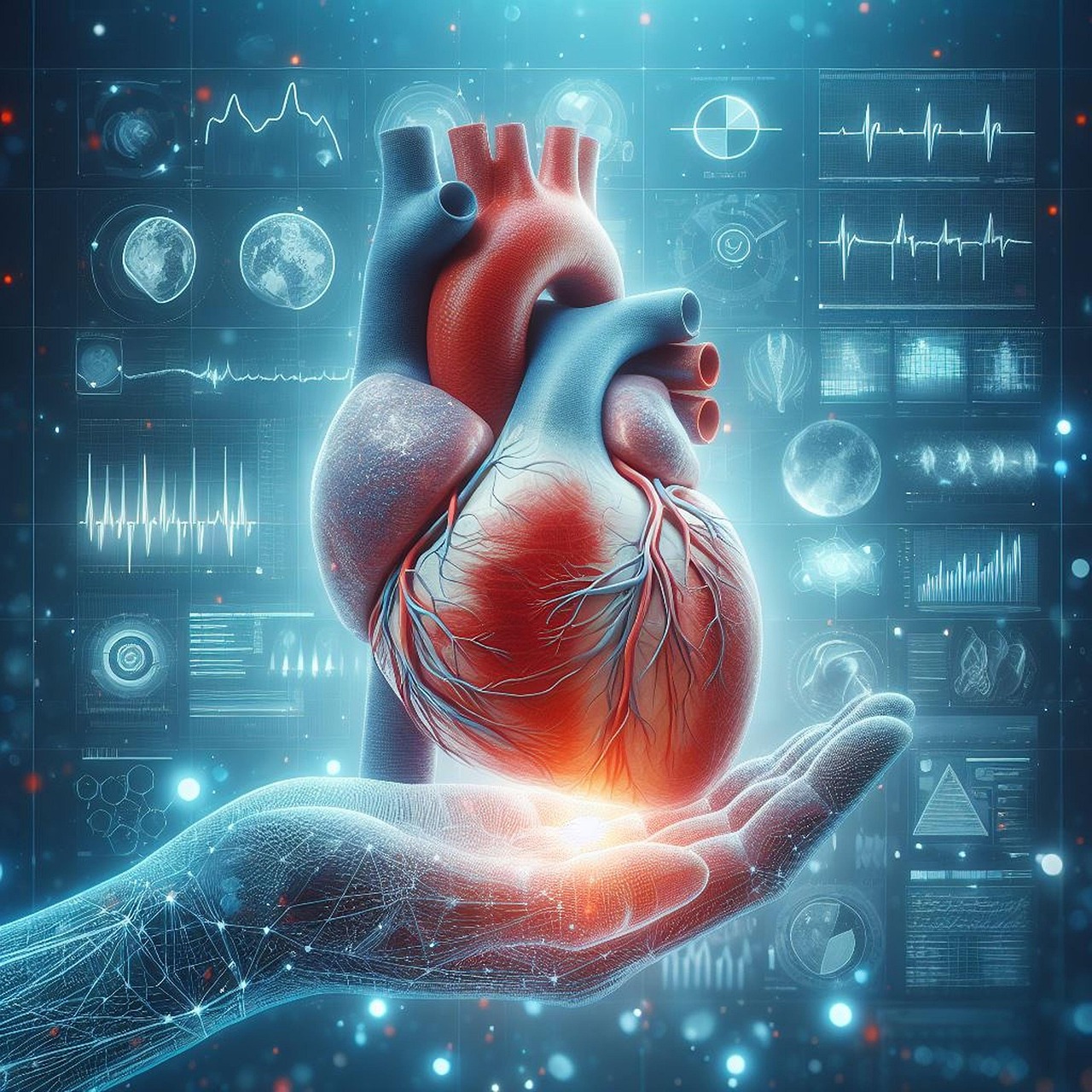

The Importance of Cardiovascular Health During Emergencies
Cardiovascular health is crucial during emergencies, especially when stress levels surge. In high-stakes situations, individuals experiencing heightened emotional and physical stress may face increased risks of cardiovascular complications. Proper management of heart health can significantly influence outcomes during crises. Understanding how to identify symptoms of cardiovascular distress is vital. Common signs include chest pain, shortness of breath, dizziness, or profuse sweating. By staying informed, individuals can take proactive steps towards safeguarding their heart health and recognizing emergencies. Also, maintaining a heart-healthy lifestyle is essential in preparation for any unforeseen incidents. This includes engaging in regular physical activity, consuming a balanced diet rich in fruits and vegetables, and managing weight. Hydration plays a pivotal role as well; individuals must remember to drink adequate water before, during, and after stressful situations. Furthermore, knowing your family history of heart disease can help in predicting risks. Pre-existing conditions may require special attention and readiness. Preparing an emergency plan that encompasses medical information, and establishing connections with healthcare professionals can save lives during critical moments. Being proactive is the best preventative measure one can take for cardiovascular health.
Another critical aspect of emergency preparedness involves identifying and managing triggers for cardiovascular events. High-stress scenarios can lead to heart attack or stroke if individuals are unaware of their predispositions. Conducting regular health check-ups is advisable to keep track of one’s cardiovascular markers. It allows for timely intervention and effective management strategies. Among these strategies is the use of medications, which can help stabilize heart conditions and prevent sudden complications. Reaching out to healthcare providers for guidance on appropriate usage is crucial. Alongside medical options, integrating calming techniques into daily routines can mitigate stress. Practices such as meditation, deep breathing exercises, and yoga can foster resilience and emotional control. Building a support network plays a significant role as well. Stay connected with family members and friends who can provide comfort and emotional support during challenging times. Empowering individuals with knowledge about heart health extends to community efforts, including workshops and educational programs. Knowledge-sharing fosters an environment where everyone can prioritize their cardiovascular wellness, especially in emergencies. The importance of cardiovascular awareness cannot be understated, as it is a key component that can determine the outcome of health crises.
Nutrition and Its Impact on Cardiovascular Health
The role of nutrition in cardiovascular health, especially during emergencies, is fundamental. Consuming a well-balanced diet can significantly reduce the risk of heart problems. Focus on incorporating foods rich in omega-3 fatty acids, such as salmon, avocados, and flaxseeds. These nutrients contribute to heart health by lowering inflammatory markers and improving overall blood circulation. Additionally, the consumption of whole grains, nuts, and legumes helps maintain cholesterol levels, playing a crucial role in cardiovascular function. In contrast, reducing the intake of processed foods and sugars can prevent spikes in blood pressure and heart rate during emergencies. Preparing meals in advance allows individuals to remain consistent with their dietary goals, even under stress. Furthermore, being mindful of sodium intake is vital for managing blood pressure, particularly when responding to emergency situations. Educating oneself about food labels ensures informed decisions regarding health choices. Adequate vitamin and mineral intake should not be overlooked either; nutrients like potassium and magnesium are essential for heart function. Engaging in healthy eating habits can fortify cardiovascular health, thereby improving resilience during times of crisis.
In addition to nutrition, maintaining physical activity is a vital contributor to cardiovascular health. Regular exercise strengthens the heart muscle, improves circulation, and promotes overall health. Engaging in aerobic activities, such as walking, cycling, or swimming, can enhance cardiovascular endurance. Moreover, strength training adds value by building muscle mass and supporting metabolic health. During emergencies, the ability to remain physically fit can be the difference between managing and exacerbating heart-related issues. Creating an exercise regimen that includes both aerobic and strength-training elements is advisable. While consistency is key, flexibility is equally important; adapt workouts based on energy levels and stress factors. Individuals should aim for at least 150 minutes of moderate-intensity exercise per week to derive maximum benefits. Practicing exercises that include stretching can alleviate tension and enhance mobility, particularly in stressful situations. Furthermore, involving family or friends in group activities can make workouts more enjoyable. Engaging in community sports or joining fitness groups can also provide added motivation. Ultimately, regular physical activity is essential for a resilient cardiovascular system.
Managing Comorbidities and Medications
Understanding and managing comorbidities is essential for maximizing cardiovascular health, particularly during emergencies. Many individuals may face conditions alongside cardiovascular problems, such as diabetes, hypertension, or high cholesterol. These interrelated issues necessitate a comprehensive approach for effective management. It’s critical to be aware of how these conditions can amplify cardiovascular risks during stressful situations. Working closely with healthcare providers ensures that all aspects of health are monitored and managed. Tailoring medications to address both heart health and comorbidities allows individuals to maintain a stable regimen. Consistent medication adherence is vital; missed doses can lead to severe complications. Creating a medication list for easy reference ensures that individuals stay organized. Alongside managing medications, regular monitoring of vital signs like blood pressure and heart rate provides valuable insights. These metrics can indicate if a person is at increased risk during emergencies. Furthermore, understanding which medications could be critical during an emergency can save lives and improve outcomes. Carrying medical identification during events can help first responders make better decisions regarding treatment.
Emergency preparedness must encompass a holistic approach that integrates mental well-being with cardiovascular health. Psychological stress can significantly affect heart function, making mental health an essential component in crisis management. Practicing stress-relief techniques cultivates resilience and improves cardiac response during traumatic situations. Awareness of chronic mental health conditions should inform preparedness protocols. Recognizing when to seek help is key; mental health crises can manifest as physical symptoms, including chest pain. In many cases, seeking mental health support alongside medical advice contributes positively to overall health. Schools and workplaces should provide mental health resources to empower individuals during emergencies. Additionally, engaging in community support programs can foster resilience and connection. Encouraging open discussions about mental health reduces stigma and promotes healthy coping mechanisms. Allocating time for relaxation, hobbies, or activities that foster joy contributes to a balanced life. Moreover, family gatherings can serve as opportunities to check in on emotional well-being. Encouragement and support from loved ones can make a significant difference during hardships. Emotional stability is not only desirable but vital for maintaining heart health during emergencies.
In conclusion, acknowledging the significance of cardiovascular health within the broader context of emergency preparedness is essential. The intersection of cardiovascular fitness and emergency response strategies emphasizes the importance of planning ahead. Individuals must commit to actively maintaining their heart health through lifestyle choices, including nutrition, exercise, and stress management. Equally important is comprehending the interplay of comorbidities and psychological factors on heart health. Through community engagement and education, awareness about the need for preparedness can be heightened. Workshops hosted by health professionals can spread valuable knowledge on cardiovascular wellness. Emergency kits should also contain all necessary medications and equipment to assist heart health. Regularly reviewing and updating these kits ensures readiness when needed most. Moreover, creating an emergency contact list that includes medical information can facilitate timely assistance. Trusting in one’s preparation fosters confidence in facing emergencies and contributing to better health outcomes. Preparing for potential crisis scenarios benefits both physical and emotional well-being. Ultimately, prioritizing cardiovascular health empowers individuals to navigate emergencies effectively while protecting their most vital asset: their heart.