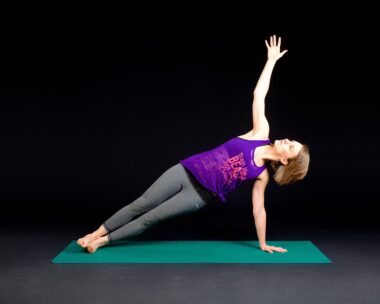
The Importance of Warm-Up and Cool-Down in Core Training
When it comes to effective strength training, particularly core strengthening, incorporating warm-up and cool-down routines holds significant importance. A proper warm-up prepares the body for the physical demands of the upcoming workout. Specifically for core training, warming up increases blood flow to the core muscles, enhances muscle elasticity, and reduces the risk of injury. Engaging in dynamic stretches, such as torso twists and hip openers, can effectively activate the core region prior to any targeted exercises. Additionally, warm-ups are known to improve overall performance by mentally preparing individuals for the challenges ahead. The stronger the core, the better the overall stability and functional movements. Thus, including a consistent warm-up routine is essential for maximizing the benefits of core training. Additionally, cooling down after a workout aids in muscle recovery and flexibility. Implementing static stretches targeting the abdominals and lower back could prevent stiffness and promote better circulation. Understanding the vital roles warm-ups and cool-downs play can help individuals optimize their routines and achieve their fitness goals.
Warm-ups not only invigorate the body physically but also mentally. Focusing on breathing techniques during warm-up can enhance core engagement and aid in preparing for strenuous movements. A well-structured warm-up routine may include light aerobic activities, such as jogging in place or jumping jacks, to raise heart rates. As core strength is fundamental for overall stability, it’s crucial to respect the body’s need for readiness before engaging in demanding workouts. Many beginners overlook warm-ups, leading to form issues and potential injury. By integrating this essential step, individuals can establish a strong foundation for their training routines. The goal is to maximize core strength safely and effectively. Furthermore, cooling down serves as a transition period for the body, allowing it to gradually return to its natural state. This process not only aids in muscle recovery but also helps elevate mental clarity and relaxation after an intense workout. Implementing gentle static stretches can assist in lengthening the muscles worked during training, ultimately contributing to improved flexibility and reduced soreness. The benefits of warm-ups and cool-downs cannot be overemphasized in achieving successful core training outcomes.
The Role of Stretching in Core Training
Stretching is an essential component of both warm-up and cool-down phases during core training. Incorporating various stretching techniques not only increases flexibility but also enhances strength development. In the warm-up stage, dynamic stretches are particularly beneficial as they prepare muscles for activity, while in the cool-down stage, static stretches help with muscle recovery. Effective stretches can minimize the risk of injuries during workouts. When muscles are properly stretched, they become more resilient to strains or tears during exertion, ensuring both performance quality and safety. During both phases, targeting key muscle groups, including the abdominals, obliques, and lower back, can facilitate greater core stability. Stretching can subsequently lead to greater range of motion, which is vital for executing a variety of core exercises effectively. Additionally, incorporating controlled breathing into stretching can elevate the overall effectiveness of core workouts. This connection between breath and movement engages the core in more profound ways, enhancing strength gains over time. Thus, understanding the role of stretching is vital for anyone aiming to strengthen their core effectively and sustainably.
Warm-ups also set a positive tone for the workout experience. They engage the mind as much as the body, allowing individuals to focus on their goals and intentions. Therefore, individuals should spend adequate time on both warming up and cooling down, treating them as integral parts of their training. Many might rush through these phases, but making them a priority is key to long-term success. Incorporating mindfulness into warm-up routines can lead to a more satisfying workout experience overall. Similarly, the cool-down phase is the perfect opportunity to reflect on the workout. Taking a moment to relax and observe any changes within the body facilitates a sense of accomplishment that can enhance motivation. Active recovery during the cool-down can maintain the benefits achieved during training, promoting a more effective transition out of the workout session. Ultimately, focusing on these foundational elements of training can lead to greater overall fitness gains and healthier bodies. Consistency in both warm-ups and cool-downs can yield substantial rewards for anyone committed to improving their core strength.
Common Mistakes in Warm-Up and Cool-Down
Many individuals make common mistakes during warm-up and cool-down phases in their core training. One prevalent error is not allocating enough time for these crucial stages. Skipping warm-ups might seem tempting to save time; however, this can lead to injuries and inadequate performance. Another mistake arises from the lack of specificity in warm-up exercises. Performing generic stretches rather than those targeting the core can limit effectiveness. It’s imperative to include movements that engage core muscles directly. Similarly, neglecting the cool-down often occurs due to fatigue after intense workouts. Failing to cool down can result in prolonged muscle soreness and hinder recovery processes. Additionally, people often rush through static stretches during the cool-down, reducing their ability to enhance flexibility. The focus should be on holding each stretch for a minimum of 15-30 seconds for optimal results. Furthermore, underestimating the importance of hydration can directly impact the effectiveness of both warm-up and cool-down routines. Ensuring proper hydration promotes muscle recovery and overall performance. Correcting these common misconceptions can significantly enhance core training results and promote long-term benefits.
Establishing a routine involving both warm-up and cool-down practices can markedly improve core training effectiveness. Individuals should create personalized warm-up exercises tailored to their needs and modify them as necessary. This personalized approach ensures optimal engagement of core muscles. Understanding one’s body and recognizing when additional warm-up is required can lead to better training outcomes. Just as individuals assess their performance through various exercises, reflecting on warm-up and cool-down practices is equally important. Keeping track of progress in flexibility and recovery can motivate individuals to remain consistent with their new routines. Experimenting with different routines can also provide slight variations that keep the workouts interesting and engaging. To truly optimize core strength, it’s essential to incorporate creativity into the warm-up and cool-down phases. This might mean alternating exercises or incorporating new techniques over time. Establishing this fluidity keeps the overall experience exciting and can improve adherence to the program. A balanced approach ensures that core training is not dull and repetitive. Ultimately, the benefits derived from effective warm-up and cool-down routines go beyond physical strength, leading to improved mental resilience and focus.
Conclusion
In conclusion, incorporating proper warm-up and cool-down strategies in core strengthening is paramount for success. The advantages gained through these processes extend far beyond immediate workouts. They lay a foundation of safety, effectiveness, and long-term adaptability for individuals committed to improving their core strength. The relationship between warm-up and cool-down routines is symbiotic; both enhance performance and mitigate injuries effectively. Adopting these practices encourages a better fitness mindset, helping individuals remain focused and engaged throughout their training sessions. Essentially, dedicating time to warming up and cooling down should be viewed as integral rather than optional. A commitment to these foundational steps can result in increases in overall performance and satisfaction with workout routines. This holistic method promotes a sustainable long-term fitness journey, ultimately making core strengthening easier and more enjoyable. As individuals invest time in their warm-up and cool-down routines, they foster a greater connection with their body while nurturing their fitness journey. The importance of these practices in core training cannot be underestimated. Embracing this knowledge allows individuals to push beyond their limits and achieve their fitness aspirations.
In summary, combining warm-up and cool-down strategies leads to improved core performance and health. Individuals dedicated to core strengthening recognize how these practices contribute to a balanced fitness routine. The key remains in demonstrating commitment to these essential components, thus fostering resilience and promoting an enjoyable training experience. By prioritizing warm-ups and cool-downs, everyone’s core-strengthening journey can be both effective and enjoyable, transforming the way physical fitness is viewed.