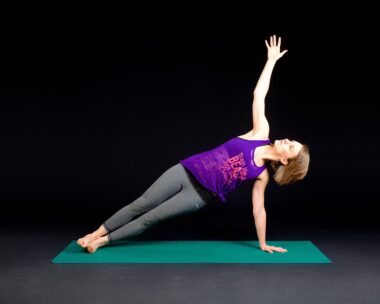
The Importance of Warm-Up and Cool-Down in Core Training
Engaging in core training involves specific exercises that strengthen abdominal, oblique, and lower back muscles. However, many people often overlook essential warm-up and cool-down routines. These routines are vital as they help prepare the body for intense movement. Warm-ups increase blood flow to the muscles, enhancing flexibility and reducing the risk of injuries. Tight muscles pose a significant risk when performing exercises like planks or crunches. Conversely, cool-downs serve to restore your heart rate gradually, promoting recovery. They help in preventing soreness and stiffness, allowing muscles to relax post-workout. By incorporating both, you maximize the benefits of your exercises. Additionally, it’s crucial to ensure proper form during core exercise routines, as poor technique can lead to injuries. Engaging in warm-ups can also improve your exercise performance, ensuring you’re energized and ready to tackle your workout. Therefore, prioritize these fundamental routines to ensure effective core training and sustainable results.
Incorporating dynamic stretches into your warm-up routine is highly beneficial. Dynamic stretches involve movement and help in further preparing your core for subsequent workouts. Some effective dynamic warm-up exercises may include torso twists, leg swings, and lunges. These movements mimic the motions involved in your actual core workouts, enhancing coordination and flexibility. Additionally, performing exercises like high knees or jumping jacks can elevate your heart rate and activate your core muscles. These initiatives help ensure that your body is thoroughly prepared for the intense workout ahead. Remember to focus on the quality of movements rather than quantity, ensuring each transition feels fluid and controlled. Furthermore, hydration plays a crucial role in ensuring that you perform optimally during your routines. Strive to drink enough water prior to engaging in core-strengthening exercises. Always assess your body’s response to the warm-up — if you feel any discomfort, adjust your routine accordingly. Engaging in an effective warm-up prepares not only your body but also your mind, setting a positive tone for the remainder of your training session.
The Significance of Core Specific Warm-Ups
Core-specific warm-up exercises are beneficial for warming up the primary muscles that will be engaged during your workout. You could start with activities like cat-cow stretches, pelvic tilts, or bird dogs to awaken those core muscles. These targeted warm-ups also focus on stabilizing muscles, typically neglected in traditional warm-up routines. Engaging your deep core muscles prepares them for the load they’ll handle during your workout, enhancing your capacity to perform safely and effectively. Alongside increased muscle engagement, these specific warm-ups improve proprioception, or your body’s ability to perceive its location in space. This is essential for maintaining balance and control during core workouts. Consider integrating heavier core activities such as kettlebell swings or medicine ball throws within your warm-up as your fitness level progresses. Furthermore, let music or a motivational podcast accompany your warm-up to enhance enjoyment and engagement. A positive mindset and physical activation also contribute greatly to optimal performance during core exercises, establishing a well-rounded approach to your workout routine. Make these warm-ups a habit as they are the key to maximizing core strengthening effectiveness.
After completing your core workout, it’s equally important to engage in a proper cool-down routine. Allow your body time to relax and recover from the demands of core training. This stage helps in returning your heart rate to its resting state gradually. Engaging in stretches following your workout will help release built-up tension within your muscles. Target areas such as your abdominals, hip flexors, and lower back can often feel tight after an intense core session. Utilizing gentle stretches like the reclining twist or child’s pose effectively targets these regions. Furthermore, remember to incorporate deep breathing techniques during your cool-down, which promotes relaxation and mental clarity. Mindfulness while stretching can enhance your overall experience, as body awareness increases your appreciation of your progress. Taking time to reflect on your workout and its benefits reinforces your commitment to core training. Participate in the cool-down as an integral aspect of your training routine, allowing your body to absorb the workout’s benefits effectively. This will foster a better recovery process while promoting future workout readiness, ensuring a well-rounded core training experience. To optimize your warm-up and cool-down experience, consider timing and duration. A warm-up should last around 10 to 15 minutes, depending on the intensity of your workout. Conversely, your cool-down can be slightly longer, lasting anywhere from 10 to 20 minutes. Pay attention to your feelings during these segments; if you feel rushed or disengaged, you might not be adequately prepared for your workout or recovery. Utilize targeted exercises for each phase, focusing on increases in mobility and flexibility during warm-ups followed by stretching during cool-downs. Additionally, consider the environmental factors if you’re working out outdoors; temperatures can impact your muscles’ responsiveness. Always dress appropriately to maintain comfort levels while performing warm-up and cool-down routines. Incorporating steady breathing patterns can also enhance these experiences, aligning your movements with breath for improved focus and physiological efficiency. Lastly, keep a journal of your experiences. Document what works best for you, allowing you to refine both warm-up and cool-down techniques for future workouts. This adaptability supports an effective training strategy, paving the way for continued progress. Consistency in practicing warm-up and cool-down routines contributes significantly to your overall core training progress. When integrated thoughtfully, they not only reduce the likelihood of injuries but also enhance your overall performance. Just like your main workout, these phases deserve similar respect and commitment. Make them a non-negotiable part of your fitness regimen. Your muscles and joints will thank you for this investment by allowing longer sustained progress and preventing potential setbacks due to injuries. Moreover, developing a routine enables you to enter a focused state, mentally preparing your body for training and improving your long-term adherence to your fitness goals. You might also find enjoyment in exploring diverse warm-up and cool-down techniques, such as yoga or Pilates, which complement traditional core workouts. Consider working with professionals to guide you in honing your warm-up and cool-down techniques accurately. Whether you work out alone or in a group setting, integrating these practices enhances your core training experience overall, illustrating that successful fitness is rooted in preparation and recovery. In essence, they can cement your commitment to improving core strength efficiently. In conclusion, the role of warm-ups and cool-downs in core training cannot be overstated. As crucial components of any workout regimen, they serve not just to prepare and recover but also to enhance performance. Committing to these routines fosters a healthier, injury-free training environment while maximizing results. By dedicating consistent time to both phases, you’re not only investing in effective core training but also in your overall well-being. Be mindful of the breathing techniques, fluid motions, and stretches that resonate best with you during these practices. Remember the benefits of consistency; over time, quality warm-ups and cool-downs can have transformational impacts on your fitness journey. Each element contributes to building a sustainable practice conducive to long-term benefits. Ultimately, prioritize your warm-up and cool-down to embrace a holistic approach towards building core strength. Not only will your training sessions improve, but you’ll also cultivate a deeper respect for your body’s capabilities and limitations. Armed with this knowledge, you’ll be equipped to enjoy your fitness venture while ensuring you always get the best out of your training sessions, particularly in core strengthening. In the intricate world of fitness, understanding the significance of warm-ups and cool-downs is vital for achieving optimal core strength. These practices seldom get the recognition they deserve, yet they serve as the foundation for every successful workout. With focused core workouts being immensely beneficial for overall health, integrating effective warm-up and cool-down strategies becomes essential. This approach ensures that your training provides the most favorable outcomes while minimizing injury risks and enabling recovery. In doing so, you not only enhance your workout performance but also contribute positively to your mental and emotional health. Mindfully engaging in these phases promotes a sense of readiness and accomplishment. Fitness is a journey, and embracing the entire process allows for a fulfilling experience on multiple levels. It’s time to reevaluate the routines we often take for granted and make them a focal point in our practice. With this shift in perspective, you’ll find greater enjoyment and satisfaction in your overall fitness journey, making you a stronger, more resilient individual. Elevate your core training by prioritizing warm-ups and cool-downs, and watch your body and mind flourish in response to such meaningful adaptations.
Conclusion: Prioritize Warm-Up and Cool-Down