
Training for a Pilgrimage: Preparing Your Body for the Journey
Preparing for a pilgrimage requires not just determination, but also physical fitness and mental resilience. Walking long distances on various terrains can be physically demanding, so it’s essential to prepare your body adequately. A combination of aerobic conditioning and strength training is critical. Start with a focus on gradual increases in your walking distance, aiming for at least two to three long walks each week. Incorporate a variety of surfaces into your training, including flat roads, hills, and even trails. If possible, try to simulate the conditions you’ll face during the pilgrimage to best equip your body. Strength training will also support muscles and joints, reducing the chances of injury as you embark on your journey. Focus on exercises that strengthen your legs, core, and upper body. Stretching is equally important; target your hamstrings, quadriceps, calves, and back regularly. Remember to listen to your body throughout your training to avoid overexertion and injuries. Lastly, invest in good-quality footwear that will provide the necessary support and comfort during your training and pilgrimage.
Nutrition and Hydration
Your body will require adequate fuel and hydration for the extensive training necessary for a pilgrimage. Nutrition plays a critical role in supporting your physical activity and overall health. Focus on a balanced diet rich in whole foods, such as fruits, vegetables, lean proteins, and whole grains. These food groups will provide the necessary vitamins, minerals, and energy to sustain your training efforts. Carbohydrates are particularly important as they provide the energy required for long-distance walking. Don’t neglect healthy fats, which are also essential for overall health and energy. Additionally, ensure proper hydration; aim to drink enough water throughout your training to stay well-hydrated. Replace electrolytes lost during extended training sessions, especially on warmer days. Consider incorporating sports drinks or electrolyte-enriched water for more intense training periods. Prepare nutritious snacks to keep your energy levels up during long walks. Fresh fruits, nuts, and energy bars can be convenient choices. Pay attention to how your body responds to different foods and hydration strategies as you train, as adjustments may be necessary before the actual pilgrimage.
Mental Preparation
Mental resilience is as important as physical preparation when training for a pilgrimage. Without the right mindset, even the most physically prepared individuals can struggle. Visualize the journey you’re undertaking, allowing yourself to feel the emotions associated with reaching your pilgrimage destination. Establish positive affirmation rituals that help bolster your confidence and keep your spirits up. Consider mindfulness practices such as meditation or yoga; these practices can enhance your mental strength and help manage stress. Set clear goals throughout your training that align with your pilgrimage objectives. Setting achievable milestones allows you to celebrate progress and stay motivated. You might also want to journal your experiences and feelings throughout your training journey. Documenting personal growth and insights can enrich the pilgrimage experience itself. Reach out to fellow pilgrims or training groups to share tips and encouragement; communal support can enhance motivation and resilience. Familiarize yourself with the potential mental challenges you may face on the pilgrimage, like fatigue and discomfort. Planning strategies to deal with these challenges successfully can help maintain a positive mindset throughout the journey.
Creating a training schedule can help manage and organize your preparation for the pilgrimage. It’s essential to break down your training into manageable chunks to ensure steady progress. Start with a base period, focusing on gradually increasing your walking distances. Over time, introduce more challenging hikes, particularly on weekends when you have more time to dedicate. Incorporate rest days into your schedule for recovery, as they are fundamental to avoiding burnout and injury. Cross-training activities, such as cycling, swimming, or yoga, can support your overall fitness while preventing routine fatigue. You might want to incorporate hiking trips scheduled around scenic areas, as this not only trains your body but also allows you to enjoy the landscapes. Document your training figures and experiences in a dedicated fitness journal tracking personal progress. This not only helps identify your development but enhances your motivation. As your pilgrimage approaches, consider tapering your training, avoiding excessive fatigue close to the event. This method prepares your body effectively while maintaining your energy levels, and it also puts you in the best physical condition for a successful pilgrimage.
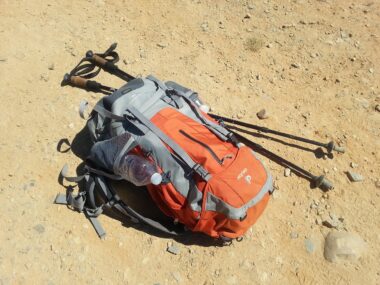
The choice of gear is essential when preparing for a pilgrimage, as the right equipment enhances comfort and performance. Begin with selecting a quality backpack that fits comfortably and includes essential features like proper support and compartments. You can choose from various styles; lightweight options may be appropriate for shorter journeys, while larger packs suit long treks. Additionally, invest in high-quality walking shoes or boots designed specifically for long distances, ensuring they provide ample support and cushioning. Your footwear should also accommodate your feet and any potential swelling from prolonged walking. Moisture-wicking socks are a must to prevent blisters. Clothing should reflect versatility in changing weather conditions; breathable, quick-drying fabrics are ideal for most climates. Layering your clothing helps manage temperature fluctuations as you walk. Don’t neglect other accessories like trekking poles, which assist with balance and reduce strain on your joints. Finally, carefully select a reliable water carrier, such as a hydration pack or water bottles. All of these will contribute significantly to your overall comfort and enjoyability during the pilgrimage.
During your pilgrimage, it’s imperative to maintain a flexible attitude toward your training and travel itinerary. Many factors can affect your journey — from weather conditions to one’s physical health. Embrace the spirit of the pilgrimage, which often emphasizes personal growth as much as physical accomplishment. Understand that days can vary significantly, with some being more challenging than others. Prioritize self-care, allowing for rest when needed, as it is crucial in sustaining your overall health. It may be beneficial to integrate spontaneous activities that engage you with local culture, enhancing your pilgrimage experience. Remain open to joining fellow travelers for meals or community activities, which enrich the journey experience through social dynamics. Documenting your journey through photography or journaling can reinforce your experience’s meaningful moments. Remember to truly absorb your surroundings occasionally, which allows you to appreciate the beauty of the pilgrimage entirely. Ultimately, whether you complete the entire route or experience it differently, what truly matters is that this journey will contribute to your personal and spiritual development.
Reflecting on the journey after completing a pilgrimage is just as important as preparation and participation. Each pilgrimage offers profound insights and experiences that can significantly influence personal growth. Spend some time contemplating the lessons learned and the challenges faced. Write down your reflections, noting what aspects resonated most and what you enjoyed. Understanding your growth during and after the event can reinforce the value of your hard work and preparation. Share your experiences with others as well; recounting your journey can inspire those contemplating their own pilgrimage. Consider how this journey influenced your future goals. Setting post-pilgrimage resolutions can further internalize the lessons from your experience. Join local or online groups dedicated to pilgrimages, allowing you to continue sharing and connecting. Reflecting on your journey is akin to a full-circle moment, as you weave your training, experiences, and reflections together. It’s often in retrospection that we find deeper meaning, which can inform our future endeavors, both in travel and in life itself. Ultimately, the pilgrimage journey becomes part of your story and personal evolution.
Lose yourself in nature’s embrace, find a connection to your spiritual journey, and prepare both your body and mind for a transformative experience.