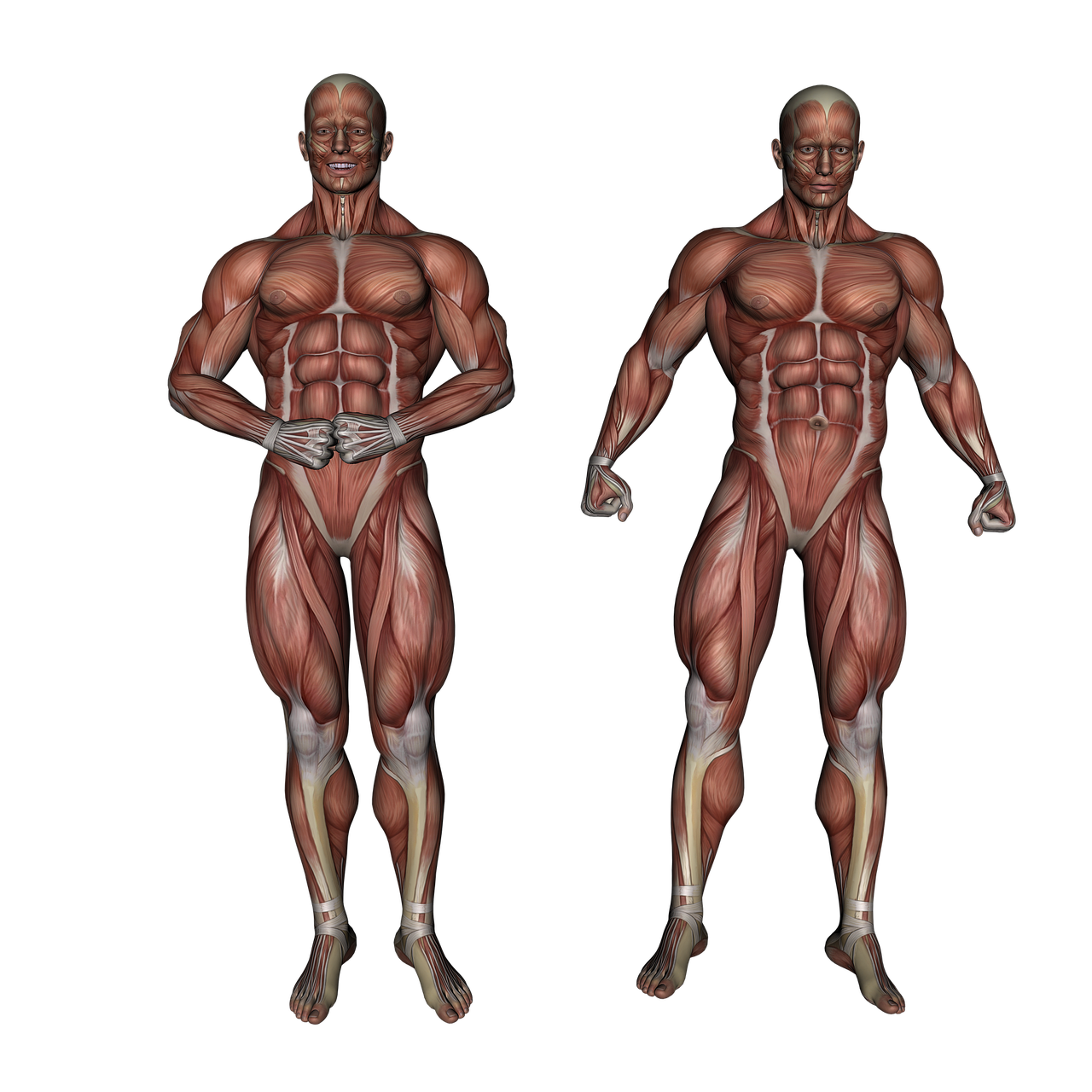

Understanding Muscle Anatomy for More Effective Training
Calisthenics requires not only strength and endurance but also a deep understanding of muscle anatomy. This knowledge can enhance workout effectiveness, leading to better results. Muscle anatomy involves knowing the major muscle groups, including the pectorals, quadriceps, hamstrings, and more. Each muscle group serves a unique function and contributes to overall body movement and stability. When performing advanced calisthenics techniques, it’s crucial to target specific muscles appropriately. By understanding the roles of muscles, practitioners can optimize their routines and increase their efficiency. For example, knowing how the core stabilizes movements helps in exercises like planches and levers. Additionally, recognizing potential weaknesses allows the individual to tailor their training regimen better. Utilizing techniques such as progressive overload ensures muscles are appropriately challenged, leading to growth and gains. Incorporating rest days aids in recovery, enabling muscle repair and strength building. Therefore, understanding muscle anatomy not only supports the physical aspect but also the mental approach to training. By comprehending the muscles, practitioners can push their limits and achieve fitness goals more strategically and safely, enhancing the overall training experience to new levels of progression.
Next, understanding the interactions between different muscle groups is essential for advanced calisthenics techniques. Synergistic and antagonistic muscles work together to facilitate movement and maintain balance. For instance, during a pull-up, the latissimus dorsi and biceps contract to lift the body while the opposite muscles, such as the triceps, remain engaged to stabilize the movement. Knowledge about these interactions can help in creating a workout that maximizes muscle synchronization, aiding performance. Furthermore, focusing on the right variations in exercises can lead to improved strength in each targeted area. Effective routines should consider compound movements that engage multiple muscle groups at once, promoting overall body strength. As practitioners progress, incorporating explosive movements in training can enhance muscle recruitment efficiently, pushing the limits of bodyweight exercises. Maintaining a balanced approach between pushing and pulling movements is equally critical in avoiding muscle imbalances, which can lead to injury. By regularly changing workout intensity and volume, you can continue to challenge the muscles effectively, leading to continuous gains. This dynamic understanding promotes longevity and consistent improvement in skills within calisthenics.
The Role of Flexibility in Advanced Calisthenics
Flexibility plays a crucial role in calisthenics, particularly in achieving advanced techniques. It allows for greater range of motion and enables the execution of complex movements. Incorporating stretching into the training routine improves not only flexibility but also protects against injury. Research shows that flexible muscles can better withstand the stresses of intense workouts. Hence, prioritizing stretching routines enhances performance. Dynamic stretches such as leg swings and arm circles are excellent for warming up pre-workout, while static stretches post-workout promote recovery. For advanced practitioners, skills like the front split or advanced backbend require substantial flexibility. Training these skills systematically develops the essential flexibility while engaging specific muscle groups effectively. Furthermore, adding yoga practices can complement calisthenics by building core strength and enhancing mobility. These practices provide a holistic approach to physical training, addressing strength and flexibility together. Remember that developing flexibility takes time and patience, so incremental progress should be celebrated. Monitoring advancements can motivate your practice, ensuring you’re committed to continual improvement. Balancing strength training with flexibility exercises therefore creates a well-rounded foundation necessary for mastering advanced calisthenics techniques.
Nutrition is a significant contributor to muscle development and recovery in calisthenics training. Adequate nutrition supports energy levels and muscle repair, facilitating consistent progress in workouts. Essential nutrients like protein, which aids muscle synthesis, should be a priority for practitioners. Incorporating sources like lean meats, fish, eggs, and plant-based proteins helps support recovery. Equally important, carbohydrates provide the necessary energy to fuel intense workouts. Carbohydrate-rich foods like whole grains and fruits replenish glycogen stores essential for endurance. Additionally, healthy fats play a critical role in hormone production and joint health. Including nuts, seeds, avocados, and oils in your diet promotes overall well-being. Staying hydrated is also key, as even mild dehydration can impact performance. Therefore, practitioners must establish a sustainable nutrition plan tailored to their workouts and recovery needs. Tracking dietary habits allows adjustments, ensuring that the body receives the nutrients it requires for optimal performance. Supplementation may also be beneficial, although it should not replace a healthy diet. Together, a well-rounded nutritional strategy sets the stage for achieving advanced calisthenics through effective muscle growth and recovery.
The Importance of Proper Technique
Executing advanced calisthenics techniques with proper form is vital for maximizing gains and preventing injuries. Bad form not only reduces workout effectiveness but also places undue strain on the muscles and joints, leading to setbacks. Practitioners must dedicate time to mastering the fundamentals first. For example, understanding the correct grip and body posture for movements like muscle-ups or handstands is essential. Ensuring alignment from head to toe enhances stability and encourages adequate muscle engagement. Consistently practicing these movements builds neurological pathways that reinforce efficient patterns. Filming routine practice can provide valuable insights into any improper form that may need correction. Seeking feedback from coaches or experienced practitioners can also help identify areas for improvement. Furthermore, gradually increasing the difficulty of exercises allows adaptation while maintaining technique integrity. This progressive intensity ensures the body is continually challenged without compromising safety. Practicing mindfulness during workouts stimulates body awareness, allowing effective adjustments on the move. This dedicated attention to form will enhance performance in advanced calisthenics and contribute to long-term sustainable progress in strength and aesthetics.
Rest and recovery are as crucial as the workout itself, especially in advanced calisthenics training. Overworking muscles without adequate recovery can lead to fatigue and injuries. Therefore, incorporating active recovery days, focusing on lower intensity exercises, is beneficial. Activities such as light jogging, yoga, or gentle stretching promote circulation and muscle repair. Planning rest days into your training schedule facilitates adaptation, allowing muscles to grow stronger from the previous stresses of workouts. Sleep also plays a paramount role in recovery, with inadequate rest negatively influencing performance and overall health. Hormones essential for muscle recovery, including testosterone and growth hormone, peak during deep sleep. Practitioners should strive for 7-9 hours of quality sleep per night to support optimal recovery times. Furthermore, listening to your body is key—a persistent ache or fatigue signals the need for rest. Tracking training loads and recovery indicators can help define patterns in your performance. By respecting the body’s need for rest, you can prevent burnout while ensuring you are ready and invigorated for your next advanced calisthenics session.
Conclusion: Embracing a Holistic Approach
In summary, understanding muscle anatomy significantly enhances the effectiveness of training in advanced calisthenics. By integrating knowledge of muscle function, flexibility, nutrition, proper technique, and recovery, practitioners can develop a holistic approach. This well-rounded method provides a stronger foundation for tackling advanced techniques. Emphasizing the interconnectedness of these elements encourages continuous growth not just in strength but also overall fitness. Adopting a growth mindset aids in overcoming challenges faced during training. Recognizing that progress takes time fosters resilience, and consistency becomes vital. Regularly revisiting and assessing routines for effectiveness informs future adjustments. Collaboration within the calisthenics community can also inspire innovative training methods that prime muscles for challenging movements ahead. Additionally, integrating variety maintains engagement, which prevents workout monotony and promotes enthusiasm for long-term participation. Therefore, embracing this holistic philosophy ensures that each training session brings valuable learning experiences and physical advancement. With patience and commitment, the goal of mastering advanced calisthenics will be achievable. Invest in understanding each aspect, and longevity in the practice will surely follow, leading to immense gratification in your fitness journey.