
How to Assess Objects Around You for Improvised Weapon Potential
Assessing your surrounding environment for improvised weapons can be critical in self-defense. Many objects, if evaluated correctly, can serve as effective means to protect yourself. First, consider the following common items that may serve your purpose: a pen, a bottle, or even a handbag. Look at hard and sturdy items; they are generally more effective in defensive scenarios. Additionally, focus on objects that can provide a striking surface or solid grip. Examples of promising improvised weapons include books, flashlights, or keys. Furthermore, evaluate the weight and balance of these objects, as they should allow you to wield them effectively. Remember that the best weapon is one you feel comfortable handling under pressure. Another factor to consider is accessibility; items within arm’s reach or in your bag can be easily utilized when necessary. As you gain experience, your ability to identify useful tools will improve. This skill can provide you with an advantage, even in dire situations. Stay aware and remember the principle: effective self-defense is about using what you have effectively.
Identifying Suitable Objects
Knowing how to identify potential improvised weapons is key in self-defense scenarios. Start with everyday items that are readily available. Look at nearby objects and assess their utility. For example, a chair can serve as a blockade or a striking tool in self-defense. Similarly, an umbrella can be a versatile weapon to create distance or protection. Focus on familiar objects; recognizing their potential will help when instincts kick in during an emergency. Additionally, assess larger objects, such as trash cans, that can be used to shield yourself temporarily. It’s essential to also evaluate sharp objects like broken glass or utensils that can serve as tools to fend off an attacker. Each object should be evaluated for both offensive and defensive capacities. Should you need to deter an aggressor, small, easily concealed items are often advantageous as they can be utilized discreetly. Always consider your environment and be prepared to utilize anything at hand. The goal is to act quickly and efficiently; effective self-defense arises from preparedness and awareness.
Training your awareness in self-defense scenarios will allow you to evaluate objects quickly. Practice makes perfect; regularly engage in training exercises to develop this skill. One way to do this is to conduct drills where you must assess objects around you in various environments. Gather friends and ask them to create scenarios where you must respond with improvised weapons. In these exercises, discuss among each other the different options available. This practice will enhance your ability to quickly identify suitable items and make decisions under stress. Furthermore, consider examining various locations, such as parks, shopping centers, or even public transport, to understand the types of objects that you can use as improvised weapons. Focus on both high-risk and low-risk areas, as your environment dramatically changes your choices. Through this method, you develop a quick reflex toward identifying potential weapons and learn to adapt your strategies accordingly. Remember, the key to successful self-defense is not only identifying suitable objects but also understanding when and how to use them effectively. Your preparedness can make a significant difference in an unforeseen event.
The Importance of Hands-On Training
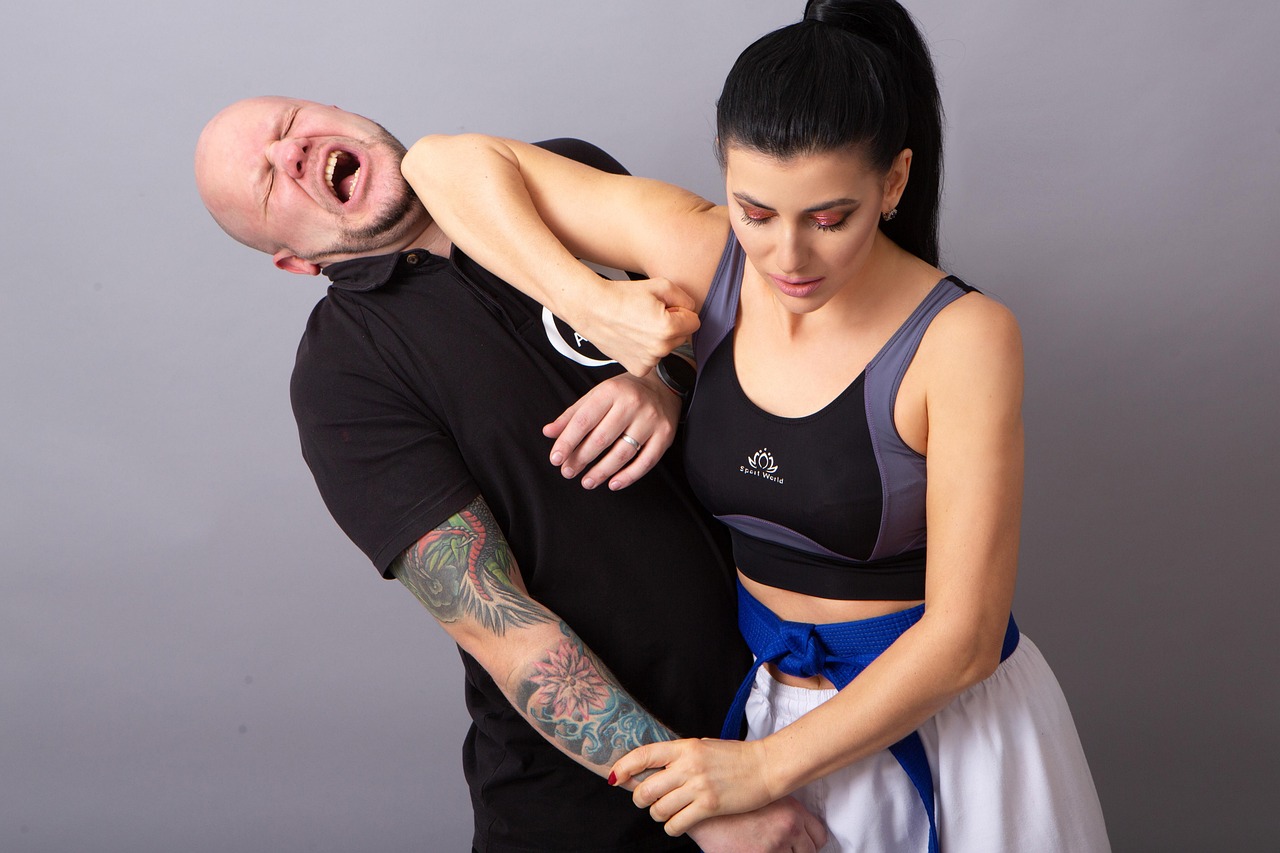
Hands-on training enhances your ability to utilize improvised weapons effectively. Attending self-defense classes focusing on amateur weaponry provides valuable insights and techniques. In these classes, instructors often emphasize real-world applications, training students on maximizing objects as defense options. Consider enrolling in sessions that cover body awareness and object manipulation. Learning how to wield an object for defense can offer you confidence. Physical training reinforces your instinct to assess surroundings thoroughly. Techniques learned in class often involve using everyday objects in unexpected ways. This knowledge helps build mental preparedness as you familiarize yourself with multiple weapon options. Moreover, practicing with various items ensures you feel comfortable using them during an encounter. Once armed with this knowledge, participants often find themselves able to recall training techniques effortlessly in real-life situations. Furthermore, there are tutorials available online that can offer you basic instruction in improvised weapons use. Consider watching trusted sources and employ these methods in a safe, controlled setting. The blend of education and practical exercises fortifies your self-defense capability significantly. Through regular training, you will discover your instincts and sharpening skills.
Another vital aspect of assessing objects around you is understanding your immediate environment. Different settings yield different objects that can be used as improvised weapons. For instance, in urban areas, you might find sturdy sticks, bricks, or discarded items that can serve your needs. Conversely, in a home environment, utensils or furniture can offer potential. Make it a habit to navigate your space with self-defense eyes. This approach means you reflect on what might be harmful or helpful in any scenario. By cultivating this perspective, you train your subconscious to act efficiently when dangerous situations arise. Additionally, adapt your assessment skills based on varying light conditions. You may need to identify objects at night with minimal visibility. Carrying a flashlight can be beneficial, as it allows you to illuminate dark areas and assess potential weapons quickly. Further, instill a sense of awareness regarding your surroundings while traveling. Always scan your environment and ponder the possibilities—this simple habit can quickly make your defense awareness more robust. Ultimately, self-defense is as much about mental readiness as it is about physical action.
Legal Considerations for Improvised Weapons
When considering using improvised weapons, you must be aware of legal implications related to them. Different regions have varying laws concerning what can be classified as a weapon and acceptable use. For example, using certain items defensively during an altercation may be permissible in some places but could lead to repercussions elsewhere. Knowing the laws in your jurisdiction is crucial to avoid complications. A simple item can become a weapon depending on how you wield it and the context of its use. Additionally, familiarize yourself with your rights regarding self-defense. Although you may feel justified in using an improvised weapon, local laws may differ. Staying informed can help you understand situations that warrant self-defense and applicable legal protections. Consult legal resources or self-defense classes offering guidance on these matters. Consider your responsibilities in assessing your actions if you must rely on improvised weapons. Engage in open conversations about these aspects, enhancing your knowledge and awareness. Such education ensures you navigate encounters lawfully while still safeguarding your well-being.
In conclusion, always remain aware of your surroundings and practice assessing items as potential improvised weapons. Through knowledge, training, and experience, your skills can enhance your self-defense capabilities significantly. Focus on familiar objects, honing awareness, and seeking opportunities to apply these skills safely and responsibly. Remember, most importantly, that confidence in how to utilize your chosen improvised weapon is vital. Engage in physical training to apply learned concepts actively, allowing reflexes to develop over time. Practice situational awareness as you go about your daily life, integrating the mindset of assessing your environment. Through this practice, you will be equipped not merely with knowledge but also with a well-formed instinct. As circumstances arise, having a clear understanding of your surroundings can eventuate advantages in self-defense. Trust that you will retain evaluation and work toward being both physically and mentally prepared to act when the need arises. Your safety is paramount, making the ability to identify, assess, and wield improvised weapons an essential component of self-defense. Utilize every opportunity to train, learn, and enhance this valuable skill, remaining confident and ready to protect yourself.
Preparing for Emergency Situations
In self-defense training, it is crucial to prepare for emergency situations that may involve improvising with objects. Situational awareness will help you respond decisively when needed. One approach is to mentally outline scenarios where you might need to use improvised weapons. Consider common situations, such as walking alone at night, where potential threats are more likely to occur. These situations often involve a heightened sense of vigilance. By contemplating possible actions, you engage in proactive thinking to create a mindset for effective self-defense. Moreover, ensure your self-defense toolkit includes practice with the objects you identify. This is vital for improving reaction times in real-life situations. Consider incorporating drills that simulate potential encounters where you would need to utilize improvised weapons. By periodically engaging in these scenarios, you will become more comfortable assessing your environment and using available tools. Repeating these practices will enhance your muscle memory during real emergencies. Familiarity can translate into quick decisions in moments of crisis, potentially leading to a more favorable outcome. Emergency preparedness is about training both the mind and body to respond effectively under pressure.