
Using Static Stretching to Overcome Muscle Tightness
Static stretching is an essential practice that can help alleviate muscle tightness and improve overall flexibility. This method involves holding a position or stretch for an extended duration to enhance muscle elasticity. Incorporating static stretching into your routine can enhance your performance in bodyweight exercises, ensuring that muscles are properly prepared for exertion. Common areas of concern include hamstrings, quadriceps, back, and shoulders. Each muscle group has specific stretches that can effectively target areas of tightness. When performing static stretches, ensure that you maintain proper form and avoid bouncing movements. A gentle, sustained approach will yield better long-term results. Additionally, awareness of your body’s limits is paramount. Never push to the point of pain, as this could lead to injuries. Engaging in static stretching as part of your warm-up and cool-down routine can optimize your mobility. This practice primes the muscles for activity while also facilitating recovery post-workout. Therefore, it becomes an indispensable tool for anyone working to enhance strength through bodyweight exercises. Consistency is key to achieving and maintaining flexibility over time.
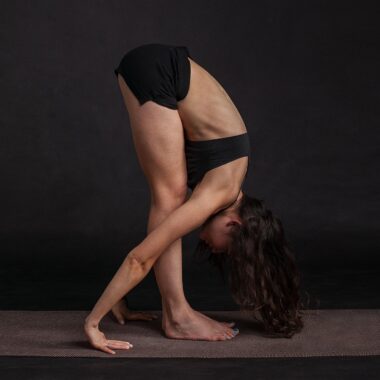
Another significant aspect of static stretching is its direct benefits to athletic performance. Research indicates that maintaining flexibility plays a crucial role in overall athletic capability. Tight muscles not only restrict movement but can also impede an athlete’s strength and endurance. Regularly employing static stretches can counteract these effects, allowing muscles to operate at their full potential. For athletes engaging in high-intensity bodyweight exercises, incorporating various stretches can provide profound benefits. Common static stretches include the standing quadriceps stretch, seated hamstring stretch, and butterfly stretch. Each holds unique advantages for specific muscle groups. Engaging in these stretches while focusing on your breathing can further enhance effectiveness. Integrating breathwork into your stretching routine increases relaxation and muscle release. Moreover, performing these stretches post-exercise aids in muscle recovery and decreases soreness. This practice reduces the chances of injuries by promoting better blood circulation throughout the body. Remember, even basic stretches like the calf stretch or upper back stretch can make significant differences in your daily movement patterns. Optimally, building a habit of incorporating static stretching can set the foundation for a long-term fitness journey.
Types of Static Stretches for Muscle Relief
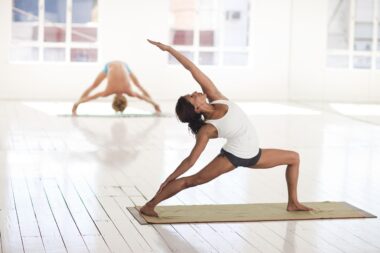
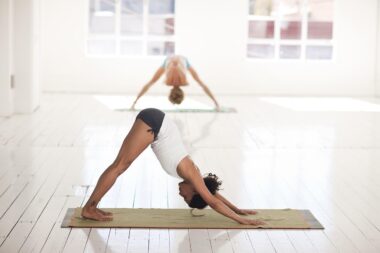
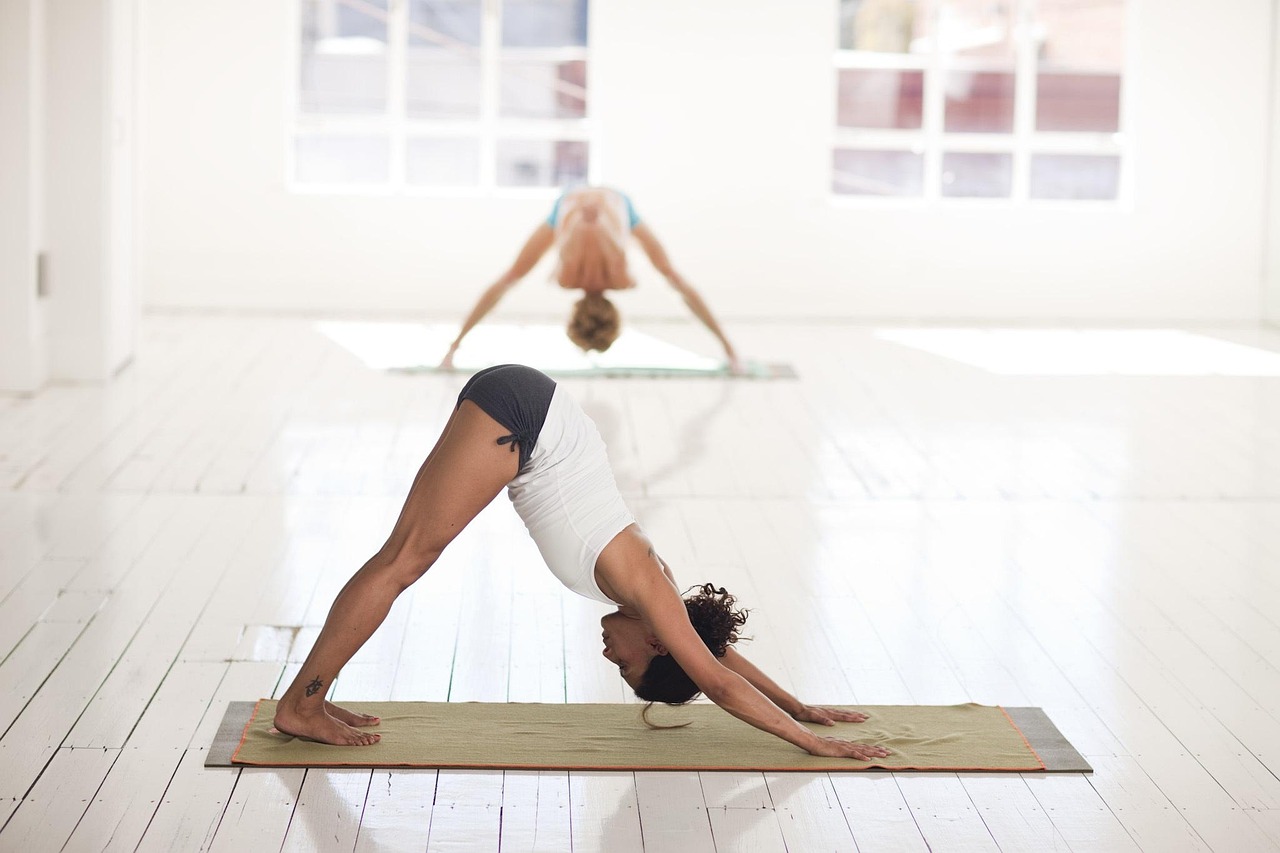
To effectively target muscle tightness, it is essential to recognize various types of static stretches that focus on different body regions. This allows for a comprehensive approach to flexibility. The standing quadriceps stretch helps target the front thigh and is simple to perform. Similarly, leaning against a wall while stretching one arm overhead can greatly relieve tightness in the upper body. For lower back relief, the seated forward bend encourages a gentle stretch of the hamstrings and back simultaneously. Various yoga poses, like the pigeon pose, are also effective in releasing hip tightness. Those struggling with shoulder stiffness can benefit from the doorway stretch. In this exercise, arms are placed on either side of a doorway as you lean forward gently. It’s essential to hold each stretch for 15-30 seconds for the best results. Once you’ve warmed up, taking time to incorporate these stretches into your routine promotes lasting flexibility. Make a habit of practicing these stretches several times a week, and you will soon notice significant improvements in stiffness. Increased mobility and flexibility can contribute to more effective workouts.
Moreover, understanding the role of muscle tightness in injury prevention cannot be overstated. Many athletes ignore the signs of tight muscles, leading to more severe injuries over time. Incorporating static stretches into your routine proactively addresses these issues. Tight muscles can lead to unfavorable biomechanics during exercise, which increases the risk of strains or sprains. By allocating time specifically for stretching, those participating in various bodyweight exercises can create a more balanced physical state. This balanced state enhances performance and encourages a full range of motion. It allows individuals to engage in their workouts without fear of injury. Alongside this, distributing attention equally to all muscle groups ensures that one area does not become overworked. It’s essential to maintain flexibility across all muscles utilized during exercises. Working on static stretches that specifically cater to areas often neglected during workout regimes can prove beneficial. Therefore, static stretching does not merely enhance flexibility. It promotes a holistic approach to fitness that champions both performance and injury prevention. Pairing this practice with a strict hydration and nutrition regime optimizes recovery and enhances overall results.
Best Time to Static Stretch
The timing of static stretching is also crucial for maximizing its benefits. Some prefer stretching before their workout is when muscles are cold. However, static stretching can sometimes lead to temporary decreases in strength if done too close to vigorous activity. Therefore, integrating static stretches in a warm-up routine can be incredibly effective. A warm-up that involves dynamic movements followed by static stretching allows muscles to prepare for rigorous activity. Conversely, static stretches can be particularly beneficial post-exercise for promoting recovery and reducing muscle soreness. This practice enhances flexibility when muscles are warm, making stretches more effective. Always aim to include a proper warm-up before you dive into intense bodyweight exercises. As part of a cool-down routine, ensuring muscle recovery through effective stretching can discourage tightness. Individual preferences will dictate personal stretching habits, so there’s flexibility in what works best for you. Some may want to add static stretches in between sets as a means to maintain flexibility, particularly for the major muscle groups being targeted. Discovering the best solutions for yourself is vital for maintaining those flexibility goals.
Implementing a variety of stretches into your routine can significantly combat muscle tightness. It’s essential to listen to your body as it will provide cues regarding tightness levels and areas needing attention. Incorporating methods such as deep breathing while stretching aids relaxation, further increasing flexibility. Before starting, establish a flexible routine that incorporates various stretches targeting all major muscle groups. Consistency over time is critical. Aim to perform these stretches at least three times a week, and combine them with regular exercise. Also, consider scheduling sessions dedicated solely to stretching. This will allow you to focus on your flexibility without distractions. Additionally, using props such as yoga blocks or straps can help deepen the stretch in certain positions, aiding those with limited flexibility. These simple modifications can make a noticeable difference, especially for beginners. As you become more adaptable, your movements will benefit significantly. Consider partnering up with friends or joining a class focused on flexibility as it can keep you motivated. Lastly, documenting your stretching sessions can highlight progress, helping to remind you not to give up on achieving your flexibility goals.
Conclusion: Embracing Static Stretching
In conclusion, static stretching is a powerful tool for anyone dealing with muscle tightness. Its benefits extend beyond mere flexibility, making it an essential component of a balanced fitness routine. Regularly incorporating static stretching into your warm-up and cool-down can greatly aid in injury prevention. Those practicing bodyweight exercises will find that enhanced flexibility allows for better performance. Additionally, making static stretching a habitual part of your weekly workouts can yield significant long-term results. Over time, your body will naturally adapt, achieving greater motion freedom. Understanding various techniques for effective stretching can elevate doubt into confidence as one becomes more comfortable with their body. By committing to a consistent stretching regime, individuals are more likely to experience increased athleticism and reduced tightness. Furthermore, engaging in stretches that target individual needs helps promote mindfulness within each session, leading to a more balanced routine. Embrace static stretching as an integral element of your health regimen, and watch as your comfort and performance improve. Take this journey seriously, progressively evolving your body’s capabilities through deliberate, thoughtful stretching. With motivation and consistency, the transformation of flexibility is achievable.