
Distinct Warm-Up Routines for Urban vs Nature Parkour Settings
When practicing parkour, having an effective warm-up routine tailored to the specific environment is essential. Urban settings typically present a variety of surfaces, obstacles, and urban structures, necessitating a warm-up that activates the necessary muscle groups for jumps, rolls, and vaults. In contrast, nature parkour requires adaptability due to softer terrains, varying elevations, and natural obstacles. To cater to these differences, urban practitioners might focus on dynamic movements that mimic parkour actions, such as high knees and butt kicks, while ensuring adequate mobility in the hips and shoulders. Nature parkour enthusiasts could incorporate flexibility exercises targeting the ankles and knees, which may be more stressed on uneven, natural surfaces. Safety is paramount; thus, warming up becomes crucial for injury prevention. Choosing proper routines for each environment not only enhances physical performance but also prepares the mind for the upcoming challenges of the chosen parkour venue. Ultimately, customizing your warm-up to urban or nature settings can lead to better execution of parkour moves, enhancing your overall experience.
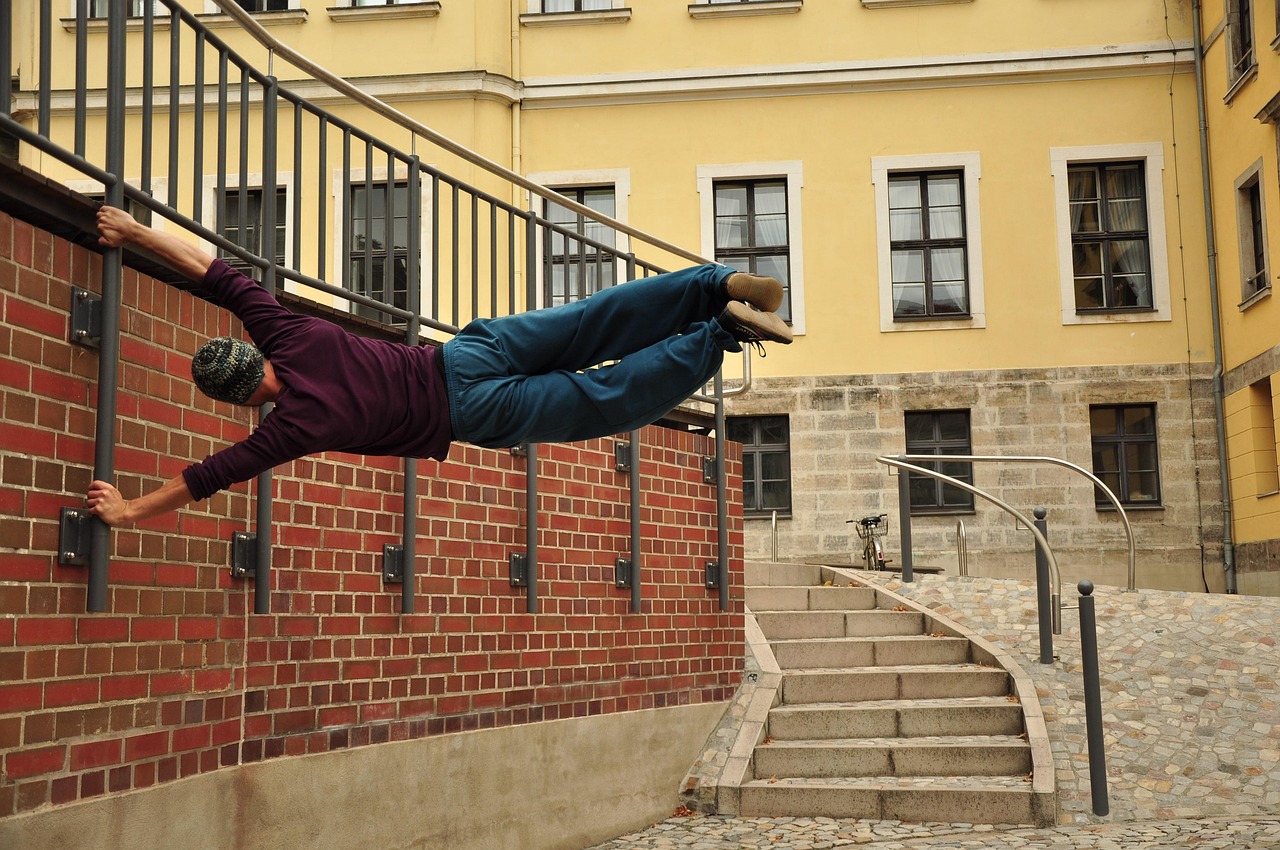
Transitions are vital elements of a successful parkour practice, especially when warming up for specific locations. In urban environments, the transition from static stretches to dynamic movements ensures the body is prepared for fast-paced, explosive actions. Engaging in plyometric exercises, such as bounding or squat jumps, can efficiently elevate heart rates and increase blood circulation. Moreover, utilizing urban furniture, such as rails and walls, in warm-up routines can effectively simulate moves that will be executed later in the session. Alternatively, nature parkour may benefit from more extended warm-up periods, focusing on fluidity and gradual, continuous motions. Incorporating natural elements, such as logs or rocks for hurdles, helps familiarize the body with the terrain and challenges present in outdoor settings. As a result, flavoring warm-up routines with both functional and exploratory aspects can maximize benefits while aligning with your selected parkour environment. Embrace variety in these preliminary movements to keep your training interesting and adaptive. Ensuring you target these specific areas during warming up can significantly impact performance in both physical and mental dimensions.
Stretching Techniques to Optimize Your Warm-Up
Stretching is key to any warm-up routine, serving both to prepare muscles for activity and to prevent injuries. For urban parkour, focus on dynamic stretching as it allows more effective warming of muscles. Exercises like arm circles, leg swings, and hip openers increase range of motion while reducing stiffness. It is essential to incorporate stretches that encompass all major muscle groups, especially those involved in jumps and rolls. For instance, lunges and twist stretches can enhance flexibility while activating core stability. Alternatively, practicing static stretches may be more suitable for nature parkour settings where slower-paced movements are appropriate. In such environments, embracing the natural landscape allows for calf and hamstring stretches using tree trunks or rocks. Utilizing gravity and resistance enhances effectiveness and encourages balance as you interact with the terrain. Ultimately, the choice of stretching techniques should align with the context of your practice and the specific demands of each environment. Highlighting this understanding fosters better execution, leading to improved overall performance in both urban and natural parkour.
The cool-down phase after a parkour session is just as important as the warm-up, often overlooked yet essential for recovery. Each environment, whether urban or nature, requires a distinct approach to effectively cool down the body. After practicing in an urban setting, incorporate lower-impact movements to ease the muscles. Engaging in gentle jogs, walking, or slow dynamic stretches allows your heart rate to gradually return to normal. Focusing on static stretches for major muscle groups, including quads, hamstrings, and back, helps to relieve tension built up during practice. On the other hand, cooling down in nature involves utilizing the calming scenery to promote relaxation. Participants may choose to perform restorative movements such as yoga sequences aligning with breathing patterns, enhancing mental clarity and body-awareness. Engaging with the environment also aids in grounding oneself, creating a holistic recovery experience. Notably, hydration and nutrition post-practice are vital for replenishing energy stores and aiding muscle recovery. Assessing your session is also essential for continuous improvement, ensuring optimal performance in future parkour workouts, regardless of the setting.
Mindfulness in Warm-Up and Cool-Down
Incorporating mindfulness into your warm-up and cool-down routines can significantly enhance your parkour training experience. For urban parkour, focusing on the sounds and sights of the city allows practitioners to connect better with their environment, fostering a deeper understanding of spatial awareness. As you engage in your warm-up routines, such as exploring different dynamic movements or warming up near obstacles, staying present can enhance your focus and performance. Conversely, nature parkour often provides a calming backdrop perfect for mindfulness practices during cool-down. Observing natural surroundings, such as the sound of leaves or the fresh air, cultivates a sense of peace and reflection. Pausing to appreciate your surroundings allows for better emotional regulation after intense training sessions. Try integrating breathing exercises or meditative stretches into your routine for heightened awareness. This practice invites you to become more aware of your body, enhancing the effectiveness of both warm-up and cool-down phases. With practice, mindfulness can lead to better decision-making and a heightened ability to react to challenges in your training environment.
Listening to your body is critical when engaging in warm-up and cool-down routines, especially in the context of parkour. Each environment poses unique challenges that may strain the body in distinct ways. For instance, urban parkour may lead to overuse injuries from repetitive jumps and impacts, highlighting the importance of tailoring your warm-up to focus on muscle groups commonly used. Responsiveness to discomfort during warm-up may prompt adjustments, such as reducing intensity or modifying exercises. In contrast, nature parkour may encounter fatigue due to diverse terrains, where awareness of one’s physical limits becomes essential for effective cooling down. Engaging in gradual, mindful stretching helps relieve muscle tightness incurred during outdoor activities. Additionally, practicing recovery techniques such as foam rolling can alleviate soreness and enhance injury prevention. It is vital to remain aware of both physical and emotional states, as mental fatigue can influence performance and recovery. Cultivating this awareness can lead to more productive training sessions and foster a better relationship with your body, enhancing overall parkour practice in any environment.
In summary, establishing distinct warm-up and cool-down routines tailored to urban versus nature parkour settings is vital for enhancing performance and preventing injuries. While urban environments necessitate more dynamic movements to suit fast-paced obstacles, nature parkour emphasizes flexibility and adaptability for uneven terrain. Integrating specific stretching techniques, mindfulness practices, and listening to your body allows for a holistic approach to training. This understanding facilitates a greater connection with the selected environment, optimizing parkour experience. Balancing physical readiness with mental focus can lead to improved execution of techniques, allowing practitioners to fully enjoy the freedom parkour offers. Remember, each session presents an opportunity to learn from both your body and surroundings, reinforcing the need for personalized warm-ups and cool-downs. Embracing these tailored routines promotes overall well-being, ensuring longevity in your parkour journey. Ultimately, fostering a practice that respects individual needs and environmental differences can yield significant rewards in both performance and enjoyment. As you embark on this unique path of urban or nature parkour, prioritize effective warm-up and cool-down routines to nurture your growth within this dynamic discipline.