
How to Deal with Challenges Like Seaweed and Waves in Surf Fishing
Surf fishing presents unique experiences, but it also comes with its fair share of challenges. One of the primary obstacles anglers face is dealing with seaweed. When fishing in coastal waters, dense mats of seaweed can ruin your chances of catching fish. This weed can tangle your line and hinder bait movement, resulting in frustration. To combat seaweed, it’s essential to choose the right bait and rig. Using lures that can skim above the weeds can often yield better results. Moreover, one technique is to employ a sinker that helps keep your bait at the desired depth, minimizing contact with the surf. Choosing a robust fishing line will also help, as it will endure both the struggle of catching fish and the entanglement with seaweed. Adding a swivel below the sinker can maximize lure movement and reduce seaweed interference. Additionally, always check local tide charts to identify optimal fishing times when seaweed is less prevalent. Bringing the right gear along is crucial for a more efficient surf fishing experience.
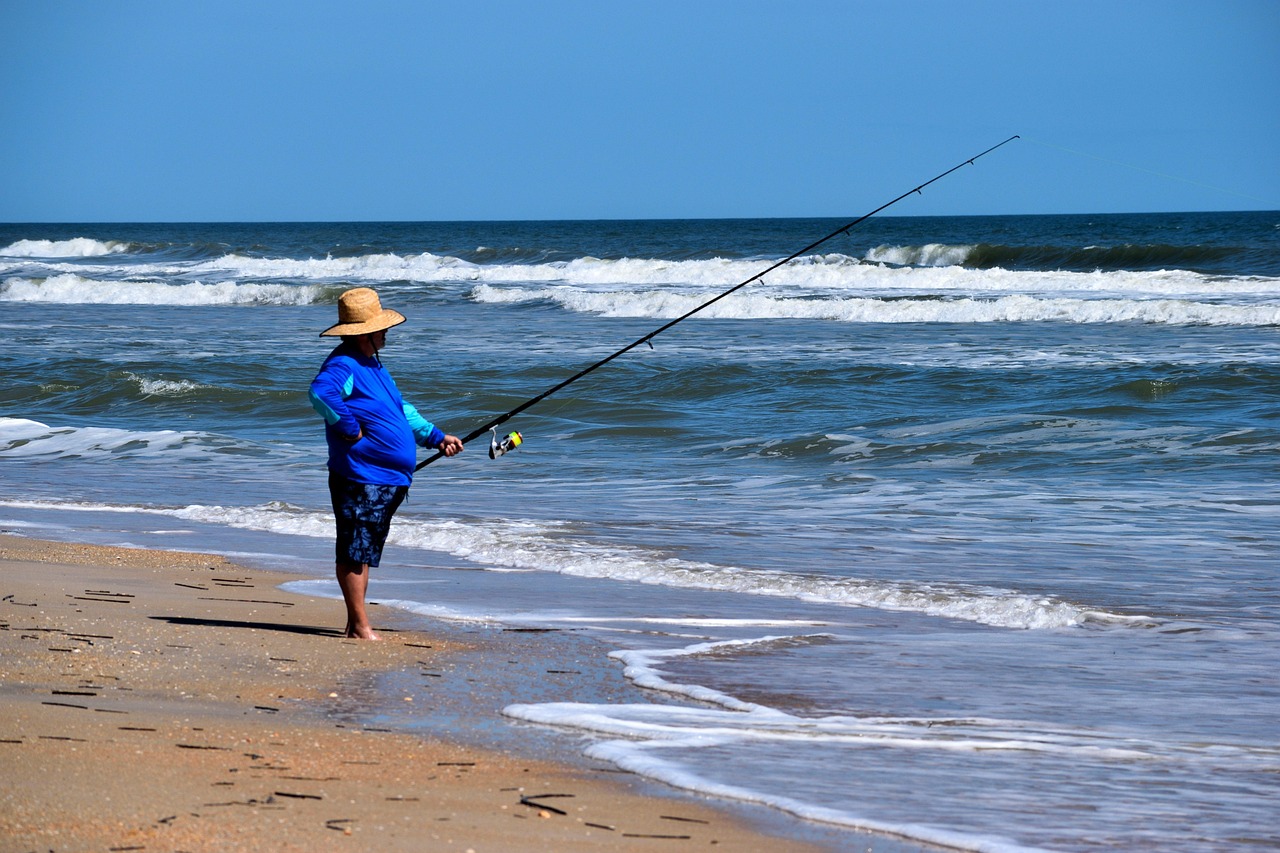
Beyond seaweed, waves also significantly influence surf fishing dynamics. Strong currents and crashing waves can make locating fish challenging, as they tend to seek calmer waters to feed. Understanding wave patterns is vital for success. Fish often hang near structures, such as jetties and rock outcroppings, where the waves break less. Mid-tide fishing during overcast conditions can increase your chances since fish feel secure near structures. Pay attention to rip currents; they might indicate where fish are congregating. Adapting your techniques based on wave conditions is crucial; using heavier weights can help maintain bait position in turbulent waters. Consider fishing from a surfboard when waves are more consistent, enhancing your accessibility to fish-rich areas. Furthermore, always brace yourself against larger waves, as they may sweep you off balance or pull you into deeper waters. Wearing the right footwear with grips is essential for rocky surfaces, preventing slips and falls. By observing local fishermen and learning from their methods, you can effectively navigate challenging water conditions. Above all, be patient; surf fishing requires finesse to overcome nature’s obstacles.
Choosing the Right Gear for Surf Fishing
Having the appropriate gear is fundamental when tackling challenges like seaweed and waves while surf fishing. Start by selecting a robust surf rod that can handle heavy lines and withstand the power of breaking waves. Long rods typically provide the casting distance needed to reach deeper waters where fish are abundant. A spinning reel with a smooth drag is another essential component, allowing for easy management of the pressure exerted by hooked fish and wave-induced movements. Use a braided line instead of monofilament; its strength reduces the likelihood of break-offs in turbulent conditions. For bait, consider using clam or squid strips, known to attract a variety of species, as they remain effective despite encounters with weed. Invest in terminal tackle such as pyramid sinkers or fish-finder rigs. These rig types help position bait strategically while reducing tangles caused by seaweed. Additionally, don’t forget a quality fishing tackle box to keep organized and portable. Having a variety of lures and baits enables adaptability in response to changing conditions and increases your chance of success during surf fishing expeditions.
Another crucial aspect of surf fishing is timing, as both seaweed growth and wave patterns change with the tides. Familiarizing yourself with local tide schedules leads to better planning for your fishing trips. The best surf fishing occurs during the incoming tide, especially an hour before high tide. During this time, fish move closer to shore to feed, increasing your chances of a catch if you strategically position yourself. After storms, surf fishing can be particularly productive; relocated prey often draws in fish looking for easy meals. Monitoring prevailing weather conditions is equally important; windy conditions can assist in masking your presence while improving the distribution of your bait. Don’t shy away from fishing on overcast days, as many species are more active under cloudy skies. Don’t hesitate to experiment with different fishing times; fishing early in the morning or late in the evening can yield impressive results. Being adaptable and observant allows you to discover the rhythm of the fishing area. Documenting your experiences can create a valuable fishing log for future trips and improving your fishing techniques.
Dealing with Safety and Conservation
In addition to gear and timing, safety should always be a priority while surf fishing. Therefore, understanding the water conditions influences your fishing tactics. Waves can transition unexpectedly, leading to dangerous situations. Wearing a personal flotation device can provide additional safety, particularly in rough waters. Always fish with a buddy when possible; staying together provides assistance should either of you encounter trouble. Additionally, practice fishing from safe, stable locations rather than precarious spots susceptible to waves. Respecting local wildlife and adhering to conservation practices remain essential when surf fishing. Follow the catch-and-release guidelines for endangered species and adhere to local regulations regarding size limits to preserve fish populations. Ensuring the responsible disposal of trash helps maintain the environment for future fishing endeavors. Educating yourself on local ecosystems can nurture appreciation for marine life while sustaining fishing resources. Engaging with local fishing communities enhances fishing experiences and fosters camaraderie among anglers. By emphasizing safety, conservation, and community engagement, you can contribute positively to the integrity of surf fishing while enjoying yourself.
Lastly, enhancing your fishing techniques can dramatically increase your success rate in surf fishing. Acquiring new skills through workshops or online tutorials empowers anglers to adapt better to changing conditions. Participation in local fishing clubs allows you to learn from experienced anglers. Developing productive casting and retrieval techniques can optimize your bait movement and entice fish effectively, even in rough surf. Practicing patience and maintaining a positive mindset is crucial; sometimes, fish can be elusive, and perseverance separates successful anglers from others. Don’t hesitate to change locations if your spot seems unproductive; being mobile gives you access to areas that may yield better fishing opportunities. Staying informed about the latest fishing technologies offers advantages; sonar systems detect underwater fish schools while providing insights into the surrounding habitats. Embrace technological advancements to maximize your fishing experiences. Each outing fosters growth, building your confidence and knowledge as a surf angler. Cherish the time spent on the water, participate actively in your local fishing communities, and advocate for responsible fishing practices as you engage in the beloved sport of surf fishing.
Conclusion: Mastering Surf Fishing
Mastering surf fishing demands a detailed understanding of the challenges posed by both seaweed and waves while incorporating effective strategies to overcome them. Each successful outing offers opportunities to refine your techniques and adapt them to changing conditions, fostering a deeper connection with nature. Deepening your knowledge about local ecosystems can enhance your fishing activities; understanding the behavior of fish helps in selecting the right baits and timing. Efficient gear selection, including rods, reels, and lines adjusted for surf conditions, is paramount to increase your chances of success. Enhancing your fishing techniques through education, community participation, and practice lends to your overall experience. Additionally, prioritizing safety ensures enjoyable adventures without unnecessary risks. Acknowledging the importance of conservation supports the sustainability of fish populations and local ecosystems, making you a more responsible angler. Being empathetic to the challenges nature presents—such as turbulent waves or clingy seaweed—will promote resilience and critical thinking. Ultimately, surf fishing transcends mere sport; it embodies a passion for the ocean and a commitment to preserving its beauty for generations ahead.
As you embark on your surf fishing journey, remember that learning from individual experiences across different fishing environments fosters growth. Each trip may yield different outcomes, ensuring continual learning and adaptation to the ever-changing world of surf fishing. Embrace the spirit of adventure while showing respect for the environment and aquatic life, as all these factors together create a holistic and fulfilling fishing experience. Keep your tackle box organized and ready for action, allowing spontaneous trips to rare fishing spots. Most importantly, find joy in the experience of fishing—the thrill of a catch, the calmness of the water, and even the challenges faced along the way allow you to appreciate life on the shore. By sharing knowledge and best practices with fellow anglers, you foster a community rooted in passion and respect for this intricate sport. Always seek ways to improve—whether through practice, educational resources, or peer interactions, enhancing your skills will position you as an accomplished surf angler. Each experience shapes your understanding of this captivating discipline, deepening your appreciation for ocean fishing and all its challenges.