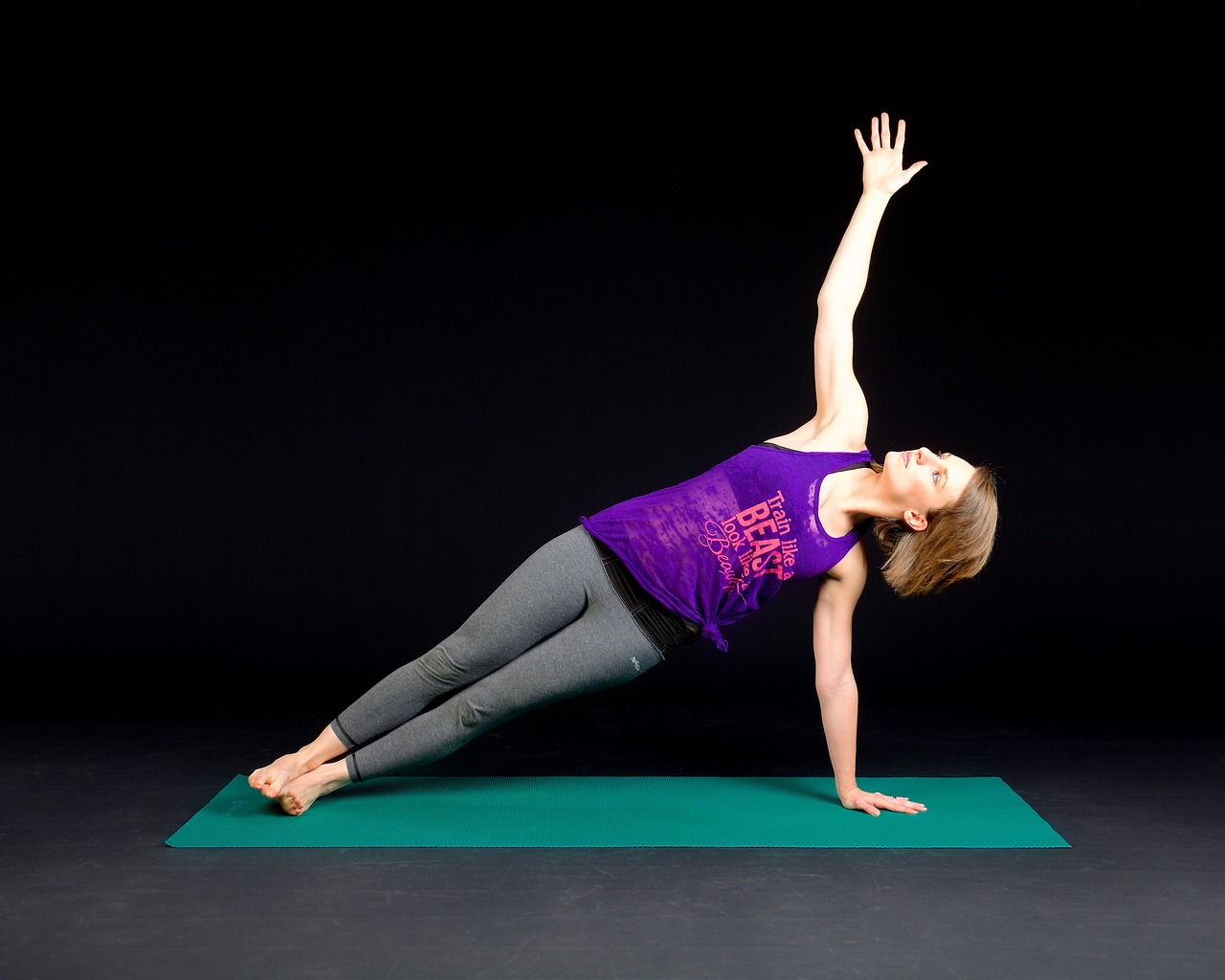

Top 10 Essential Core Training Safety Tips for Beginners
Engaging in core training is a highly beneficial way to enhance stability, posture, and overall fitness. However, as a beginner, understanding safety tips is crucial to prevent injury and maximize effectiveness. First, it’s important to establish a proper warm-up routine before any core exercises. A warm-up prepares your muscles and joints for the upcoming workout, increasing blood flow and flexibility. Next, focus on maintaining correct form throughout your exercises. Misalignment can lead to strain, especially in the back and hips. Consider starting with low-impact exercises and gradually increase intensity as your strength improves. Concentrate on your breathing. Proper breathing techniques during core training can enhance performance and stabilize your core muscles. Additionally, listen to your body. If you feel sharp pain or discomfort, it’s important to stop and assess. Using proper equipment, like a yoga mat or stability ball, can also help in maintaining your form. Rest days are crucial; they allow muscle recovery, preventing overtraining. Hydration is key as well; keep yourself hydrated to enhance performance and recovery. Lastly, if uncertain, consider working with a trainer for guidance.
Building a strong core is a journey, and incorporating safety tips is fundamental to your success. You might want to schedule short training sessions throughout the week instead of trying to do too much in one go. Consistency is more beneficial, rather than risking injury through overexertion. Engaging in activities that enhance your workout, like yoga or pilates, helps teach balance and strengthens the core. Gradually incorporate various exercises to work on multiple muscles. Planks, crunches, and leg raises are excellent staples for core training. Doing exercises that challenge your balance promotes functional stability, as well. Always focus on initiating core movements with your core muscles rather than relying on your limbs. Pay attention to not only the exercises but also to how you transition between them. Safe transitioning will help you avoid unnecessary strain during workouts. Moreover, ensure you have appropriate footwear that provides sufficient support. Non-slip surfaces can also play a vital role in preventing falls. If you’re ever unsure about a particular exercise or technique, don’t hesitate to reach out for help from fit professionals or experienced peers.
Progression is Key
Your core training routine should always incorporate a progressive approach to ensure safety and effectiveness. Start at a level that suits your current fitness level, and don’t rush into advanced variations of exercises too quickly. This gradual progression helps in building muscle strength without risking injury. When you feel comfortable with foundational exercises, incrementally add more challenging moves or additional resistance. Keep track of your progress in a journal or app to motivate yourself while prioritizing safety. This also helps you recognize when it’s time to advance or reset if you’re experiencing discomfort. Incorporating rest days will help you recover and rejuvenate your muscles. Think of your resting days as part of your training—essential for strength growth and ensuring long-term success. Additionally, avoid comparing your journey to others. Everyone progresses at different rates based on various factors like initial fitness levels, genetics, and dedication. Each person’s body responds uniquely; hence patience is vital. Surround yourself with supportive individuals or communities that understand the journey. This can foster motivation without the pressure of competition, making your core training journey healthier and more enjoyable.
Another critical aspect of core training safety is cross-training. Diversifying your workout routine helps prevent overuse injuries and incorporates different muscle groups. Activities like swimming, cycling, or even walking can improve overall core strength. This variety keeps workouts fun and engaging while reducing the risk of burnout. It also makes your core training more comprehensive by engaging various stabilizing muscles. Incorporating flexibility training enhances your core routine’s effectiveness and safety. Stretching before and after workouts aids in maintaining flexibility and limits muscle tightness, making core workouts feel easier and safer. Proper nutrition also plays a significant role in supporting your core training goals. Eating a balanced diet rich in proteins, healthy fats, and essential nutrients aids in muscle recovery. Don’t underestimate the importance of mental focus during core workouts as well. Cultivating mind-muscle connection enhances the effectiveness of your movements. When you’re connected to what you’re doing, you’re less likely to strain or injure yourself while ensuring you are executing it correctly. Stay mindful and focused during each exercise, and you will find your workouts yielding much better results without the risk of injury.
Listening to Your Body
Throughout your core training journey, one of the best safety tips is to listen to your body intuitively. Engaging with your body can prevent injury and ensure you’re not overtraining. If a particular movement creates discomfort or pain, rethink its execution, modify it, or omit it entirely. Remember, consistency doesn’t mean perfection; it means being in tune with what your body can handle. It’s okay to take a step back when needed. Coming back stronger often means listening to when rest is required. Progress can be steady; the objective is to maximize effectiveness while minimizing risk. Look for subtle signs; fatigue can show itself even before any significant injury presents itself. Maintaining an open dialogue with your healthcare providers about your progress is also crucial. They can provide feedback and help adjust your routines if necessary, especially if you’re starting with existing conditions. Set realistic goals to share with your support networks; gradually reaching these objectives helps build resilience without pushing your limits too soon. Focus on mastering techniques and building a solid foundation before progressing to complex variations.
In conclusion, core training safety encompasses a range of practices ensuring you can enjoy and benefit from your workouts without risk. Always prioritize form over quantity; this assertion goes a long way in preventing injuries. Engage in warm-ups, and cooldowns, and vary your training to keep it interesting and safe. Stay attuned to how you’re feeling, especially during different exercises. Nutrition, recovery, and hydration are critical elements to not overlook as you work towards a stronger core. Adopt a mindset that values patience and progress over speed—allowing your body to adjust safely can lead to better long-term gains. Working with experienced trainers or joining classes can provide you with additional insights, further enhancing your safety during exercises. Aim for a balanced routine addressing all aspects of core muscle safety and development. Kicking off with appropriate strategies ensures a winning formula for your core training journey. This commitment helps improve performance and ensures your core training remains enjoyable and beneficial, fostering a positive relationship with your physical wellness.