
Top Training Tips for Young Cyclists to Boost Performance
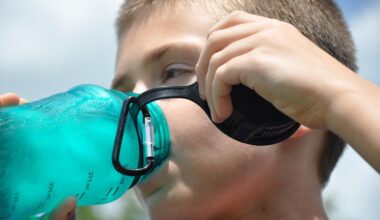
Young cyclists can significantly enhance their performance through dedicated training and a strategic approach. Developing a consistent training regimen is essential. Start with basic endurance exercises to build stamina. Incorporate interval training sessions that alternate high-intensity efforts with recovery periods. Additionally, focus on strength training exercises specific to cycling, like squats and lunges, which can improve power output. Flexibility should not be overlooked either; regular stretching sessions can prevent injuries and improve range of motion. Young cyclists need to stay hydrated; it’s crucial to drink plenty of water before, during, and after rides. Nutrition also plays a vital role in performance. Fueling the body with the right foods will provide the necessary energy for training. A well-balanced diet rich in carbohydrates, proteins, and healthy fats can make a significant difference. Additionally, incorporating rest days into the training schedule is vital. The body needs time to recover and rebuild muscles. By focusing on these key areas, young cyclists will witness their abilities improve significantly and become more competitive in their cycling endeavors.
Building a Supportive Environment
A supportive environment is crucial for the development of young cyclists. First, families and coaches should foster a positive atmosphere that encourages participation without excessive pressure. Open communication is vital. Young cyclists need to feel comfortable discussing their feelings and progress with their coaches or parents. Engaging in group rides can enhance motivation and build camaraderie among peers. This social aspect not only makes cycling more enjoyable but can also lead to lasting friendships formed through a shared passion. Finding a mentor in the cycling community can provide valuable insights and guidance. Experienced cyclists can share their journey, tips, and motivation. Attending cycling workshops or camps can also be incredibly beneficial. These events expose young cyclists to expert coaching and the latest cycling techniques. It’s essential to celebrate achievements, big or small. Recognizing effort, whether it’s completing a tough ride or improving times, can boost confidence. Ultimately, a positive and supportive environment encourages young cyclists to pursue their goals and remain engaged with the sport throughout their developmental years, leading to lifelong cycling enthusiasm.
Setting specific goals is essential for young cyclists aiming to improve performance. Goals provide direction and motivation during training. Start with short-term goals that are achievable, such as riding a specific distance or improving average speed on a particular route. Ensure these goals are measurable, realistic, and time-bound. For instance, setting a goal to ride an additional 10 miles within a month can promote gradual improvement. As those short-term goals are achieved, begin introducing long-term goals that provide a broader vision, like participating in a cycling race or event. Young cyclists should also regularly evaluate their progress toward these goals, which can be done by keeping a training log. This practice fosters accountability and allows for adjustments to the training plan as needed. Visualization techniques can also help young athletes stay focused. By imagining success, they can develop a positive mindset towards their training. Additionally, it’s beneficial to discuss these goals with coaches or mentors who can provide guidance. This collaborative process ensures young cyclists stay committed and passionate about their cycling journey.
Essential Gear for Young Cyclists
Having the right gear is vital for young cyclists to perform optimally and safely. First and foremost, a properly fitting helmet is necessary; it protects the head during any falls. Helmets for youths should be lightweight yet durable, ensuring maximum comfort and safety. Next, investing in a good quality bike that matches the rider’s size is crucial. Young cyclists need bikes with appropriate gearing, which makes climbing hills easier and improves overall riding efficiency. Cycling shoes that are compatible with the bike’s pedals can enhance power transfer. Additionally, wearing appropriate clothing made from moisture-wicking materials can improve comfort by regulating body temperature. Padded shorts can enhance comfort during longer rides, while jerseys with pockets can be ideal for storing essentials like snacks and tools. Don’t forget the importance of bike maintenance tools. Basic tools and a repair kit should always be on hand for unexpected issues during rides. This preparedness ensures confidence and independence in young cyclists, allowing them to tackle various training sessions with a sense of security and readiness.
Finding the right training schedule is key for young cyclists who want to maximize their performance. It’s essential to balance their training time with rest and recovery days to prevent burnout. Start by determining how many days they can realistically commit to cycling each week; three to five days is a good range for most young athletes. Each training session should have a clear focus, whether it’s endurance, speed, or skill development. For example, one day can focus on long-distance rides aimed at improving stamina, while another might focus on interval sprints to build speed. Additionally, integrating cross-training activities such as swimming or running can improve overall fitness and help avoid overuse injuries. It’s also vital for cyclists to listen to their bodies; if a young athlete feels overly fatigued or sore, incorporating additional rest days can be beneficial. Young cyclists should remember that consistency over time is more important than intensity. Gradually increasing their workload and being mindful of their limitations will lead to improved performance and overall enjoyment of cycling.
Nutrition for Young Cyclists
Nutrition plays a crucial role in the performance of young cyclists. A well-balanced diet will provide the necessary energy to fuel their rides and aid recovery. Young cyclists should focus on incorporating a variety of nutrient-rich foods into their daily meal plans. Carbohydrates serve as the primary source of energy for endurance activities; thus, foods like whole grains, fruits, and vegetables should be emphasized. Proteins are vital for muscle repair and growth, so lean meats, dairy products, and legumes should also be included in their diet. Healthy fats, found in foods like nuts and avocados, can provide sustained energy for longer rides. Additionally, proper hydration cannot be overstated; drinking water regularly throughout the day and during rides is vital. Before a ride, consuming a small meal or snack rich in carbohydrates can boost energy levels. After a ride, it’s also essential to replenish lost nutrients with a recovery snack or meal that includes both carbohydrates and protein. Young cyclists should aim to enjoy cooking and experimenting with healthy recipes, fostering a lifelong appreciation for balanced nutrition.
Developing mental resilience is crucial for young cyclists looking to improve their performance. Cycling can be mentally challenging, and young athletes must learn strategies to tackle these difficulties effectively. First, setting realistic expectations is key; young cyclists must understand that progress comes gradually and setbacks are part of the journey. Practicing mindfulness and visualization techniques can help in maintaining focus and motivation. Visualization techniques, where athletes imagine themselves successfully completing a race, can significantly impact their performance. Young cyclists should also learn how to set a positive mindset by reframing negative thoughts into constructive ones. Regular goal-setting and achievement reflections can enhance confidence levels. Additionally, involving young cyclists in team-building activities can help them develop social skills that boost their overall resilience. Encouraging participation in fun rides and cycling events fosters a sense of belonging in the cycling community. Learning to cope with pressure, competition, and performance anxiety is part of growing as an athlete. By cultivating a positive mental attitude, young cyclists can face challenges with confidence, enabling them to achieve their maximum potential.
Conclusion: The Journey Ahead
In conclusion, the journey to becoming a skilled cyclist is a multifaceted process that requires dedication, proper training, and a supportive environment. By implementing the training tips highlighted in this article, young cyclists can effectively boost their performance and enjoy the ride. It is important for them to remain patient and persistent, recognizing that improvement takes time and effort. As they progress, young cyclists should seek advice from experienced mentors within the cycling community who can provide valuable insights and motivation. Furthermore, maintaining a balanced lifestyle that includes cross-training and nutrition will contribute to their overall health and performance. Celebrating their achievements, no matter how small, can foster a love for the sport and promote continued growth and development. As youth cyclists continue to challenge themselves and push their limits, they develop not only as athletes but also as individuals, gaining confidence and resilience that extends beyond cycling. Ultimately, cycling can instill life-long skills and friendships that enrich their lives; so embrace the love of cycling and enjoy every moment on the road.