
Using Warm-Ups to Prepare Seniors for Strength Training
For seniors, engaging in strength training can have numerous benefits, including enhanced mobility and improved muscle strength. However, one critical aspect often overlooked is the significance of warm-ups prior to exercise. Warm-ups serve to prepare the body physically and mentally for the workout ahead. For seniors, effective warm-up routines can mitigate the risk of injuries and ensure a smoother transition into rigorous exercises. Implementing a consistent warm-up routine lays the foundation for a successful strength training session. Additionally, proper warm-ups promote blood circulation while increasing heart rate, which is important for overall cardiovascular health. Maintaining proper flexibility and joint mobility is equally vital, enabling seniors to perform various exercises safely. Warm-ups can involve simpler movements tailored to an individual’s physical capabilities, such as gentle stretching, light aerobics, or mobility drills tailored for seniors. Including such activities can significantly enhance performance while contributing to better exercise adherence. Overall, understanding the importance of warm-ups fosters a safer and more enjoyable fitness experience for seniors embracing strength training.
Types of Effective Warm-Up Exercises
There are numerous effective warm-up exercises specially designed for seniors engaging in strength training. Dynamic stretches are great as they prepare muscles and joints for physical activities, promoting flexibility and reducing stiffness. Some effective dynamic stretches include leg swings, arm circles, and torso twists. Additionally, seniors can benefit greatly from low-intensity cardiovascular activities to elevate heart rates. These activities can involve a brisk walk, stationary cycling, or even marching in place. These movements should be executed at a comfortable pace, creating an environment where seniors feel safe, energized, and ready for the upcoming workout. Gentle movements with controlled resistance can also serve to activate muscles effectively during warm-up. Incorporating balance exercises is essential to strengthen stability, which helps prevent falls. Seated or standing heel raises are an excellent addition to any warm-up routine. Moreover, considering the use of resistance bands can help in establishing a connection between muscles, making the subsequent strength workout more effective. Ultimately, customizing warm-up exercises according to individual needs contributes to better physical performance and enjoyment.
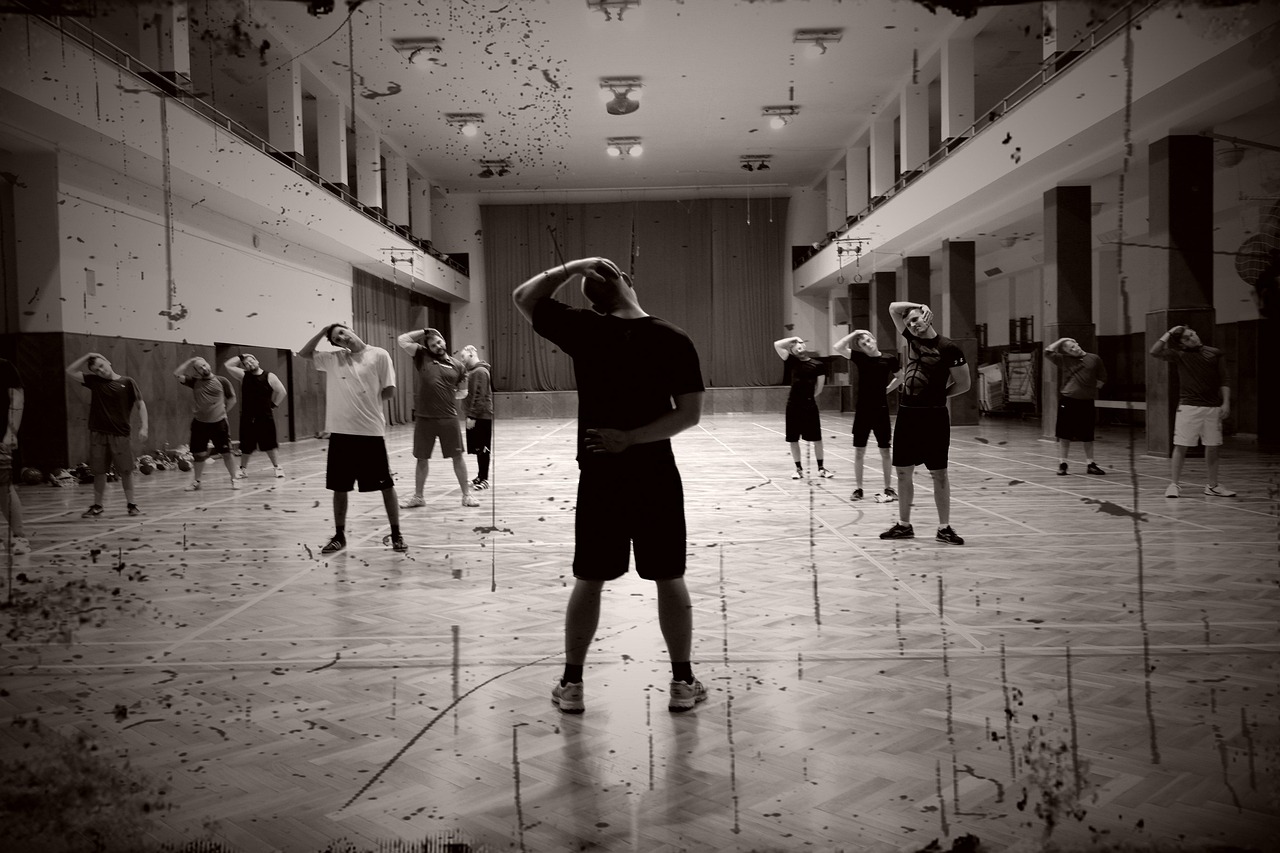
As seniors often come with varied fitness backgrounds and health conditions, monitoring their warm-ups becomes essential. Pay attention to how seniors respond to different exercises, ensuring they engage in activities that feel comfortable without excessive strain. Incorporating a variety of warm-ups keeps routines engaging, preventing monotony while catering to specific preferences. Always allow for adequate time during warm-up sessions, ensuring seniors result in muscle activation and full joint mobilization. Optimal warm-up durations typically range around 10 to 15 minutes, providing ample time for activation. Additionally, focusing on breathing during these warm-up exercises further enhances relaxation and body awareness, leading to a more effective workout overall. Seniors might find guided warm-up sessions beneficial, as working with a fitness professional or instructor can ensure exercises are performed correctly. This approach not only boosts confidence but also reinforces safety during transitions into higher intensity movements. Group warm-ups can stimulate social interaction, fostering relationships that contribute to senior wellness while encouraging consistent participation. Ultimately, tailoring warm-ups to cater to seniors’ individual needs will ensure a safer, more enjoyable fitness experience.
Assessing Individual Needs for Warm-Up Routines
Assessing individual needs is a crucial element when designing warm-up routines for seniors in strength training. When developing a suitable warm-up regimen, the instructor must consider each senior’s unique fitness level, previous injuries, and mobility restrictions. Conducting a preliminary assessment allows for personalized warm-up schedules to enable gradual improvement in strength training. Additionally, continuous feedback from seniors during their warm-ups promotes adjustments to ensure exercises remain beneficial and safe. Facilitating open communication creates an environment wherein seniors feel valued and understood, encouraging adherence to the proposed warm-up routines. It’s important to have modifications prepared for seniors facing difficulties completing their warm-ups, ensuring no one feels excluded or unable to participate. Plus, individualized warm-ups can motivate seniors to embrace their strength training programs wholeheartedly. Developing personalized warm-up plans highlights the distinct capabilities of each person, leading to a more successful integration of strength training into their fitness journey. Regularly reviewing these needs contributes to ongoing safety while fostering confidence in their abilities. Simply put, understanding individual requirements when crafting warm-up routines enhances overall workout experiences.
Cool-down exercises play a significant role after strength training sessions, acting as a counterpart to warm-ups. These exercises are essential, as they assist in gradually lowering the heart rate while easing any muscle tension. This process is critical for seniors, as sudden changes in activity levels can pose health risks and cause discomfort. Less intense movements such as gentle stretching or slow walking can be appropriate cool-down techniques. Stretching after workout sessions helps to maintain flexibility while preventing muscle stiffness, ensuring relief from tension brought on by strength training. Seniors should focus on stretching major muscle groups utilized during their workouts, including hamstrings, calves, shoulders, and back. More importantly, attending to hydration post-exercise is essential for recovery and overall wellness. Offering seniors water during cool-down phases will ensure proper rehydration after their workout. Moreover, discussing the importance of cool-downs reinforces the body’s need to transition gradually, promoting a better recovery process. Overall, encouraging seniors to embrace a proper cool-down routine, right alongside established warm-ups, enhances their overall fitness journey by ensuring they remain healthy and active.
Benefits of Incorporating Warm-Ups
Incorporating warm-ups into seniors’ strength training brings a plethora of benefits that significantly enhance their fitness experience. Initially, warm-ups are designed to improve circulation and increase muscle temperature, making them perform better during more intense exercises. This improved performance translates to more effective strength-building routines tailored to seniors’ needs. Furthermore, warm-ups reduce the risk of injury, which is a genuine concern for older adults due to age-related muscle and joint stiffness. By gradually increasing mobility through warming up, seniors can comfortably participate in strength training without undue strain. Notably, the mental aspect of warm-ups must not be ignored. Engaging in these activities helps seniors mentally prepare for their workouts, promoting focus and a positive exercise mindset. Moreover, regular warm-ups can lead to an increased sense of body awareness, which is critical for maintaining balance and coordination. The community aspect of engaging in warm-up exercises is equally significant, as having a shared experience with peers fosters camaraderie and motivation. Ultimately, integrating warm-ups in strength training solidifies not only physical improvements but emotional support for seniors pursuing health.
As we look at the broader implications of warm-ups for seniors, it becomes clear that social support and encouragement play essential roles in sustained participation in strength training programs. Engaging in group warm-up sessions fosters a sense of belonging, enhancing camaraderie among seniors. Relationships formed during warm-ups positively influence workout attitudes and promote consistent exercise routines. Additionally, some seniors may feel intimidated when entering strength training programs, so providing a supportive warm-up atmosphere alleviates feelings of anxiety. The inclusive nature of warm-ups creates an environment where everyone feels welcomed regardless of fitness levels. Importantly, warm-ups also serve as an essential time for instructors to observe seniors’ movements and offer necessary guidance. This aspect cultivates a sense of safety and care, allowing seniors to feel more confident as they transition into strength sessions. Educators can address concerns collaboratively through warm-ups, empowering seniors to take charge of their fitness journeys confidently. The social and supportive aspects of warm-ups make them an integral component of any senior strength training regimen, enhancing the overall fitness experience while promoting lasting friendships.
Ultimately, consistency in warm-up practices contributes to better adherence amongst seniors towards strength training activities. Designating a warm-up routine that is not only enjoyable but easy to follow encourages regular engagement over time. Featuring fun variations of warm-ups can keep motivation levels high while keeping seniors active. Exploring new warm-up exercises can continually introduce exciting changes, ensuring individuals remain committed to routine fitness activities. The more familiar and engaging warm-ups feel, the higher the likelihood seniors will embrace strength training as an essential part of their overall health journey. Therefore, it’s crucial to reinforce the importance of warm-ups as supporting elements that lay the groundwork for successful strength training outcomes. Regular reviews and adjustments to warm-up plans encourage ongoing commitment, while also ensuring they align with seniors’ evolving fitness levels. Ultimately, warm-ups can facilitate enjoyable physical activity participation, deepening their commitment to a healthy lifestyle. In conclusion, prioritizing warm-ups while engaging in strength training fosters an excellent foundation for seniors to enjoy improved health, well-being, and longevity through consistent, active involvement.