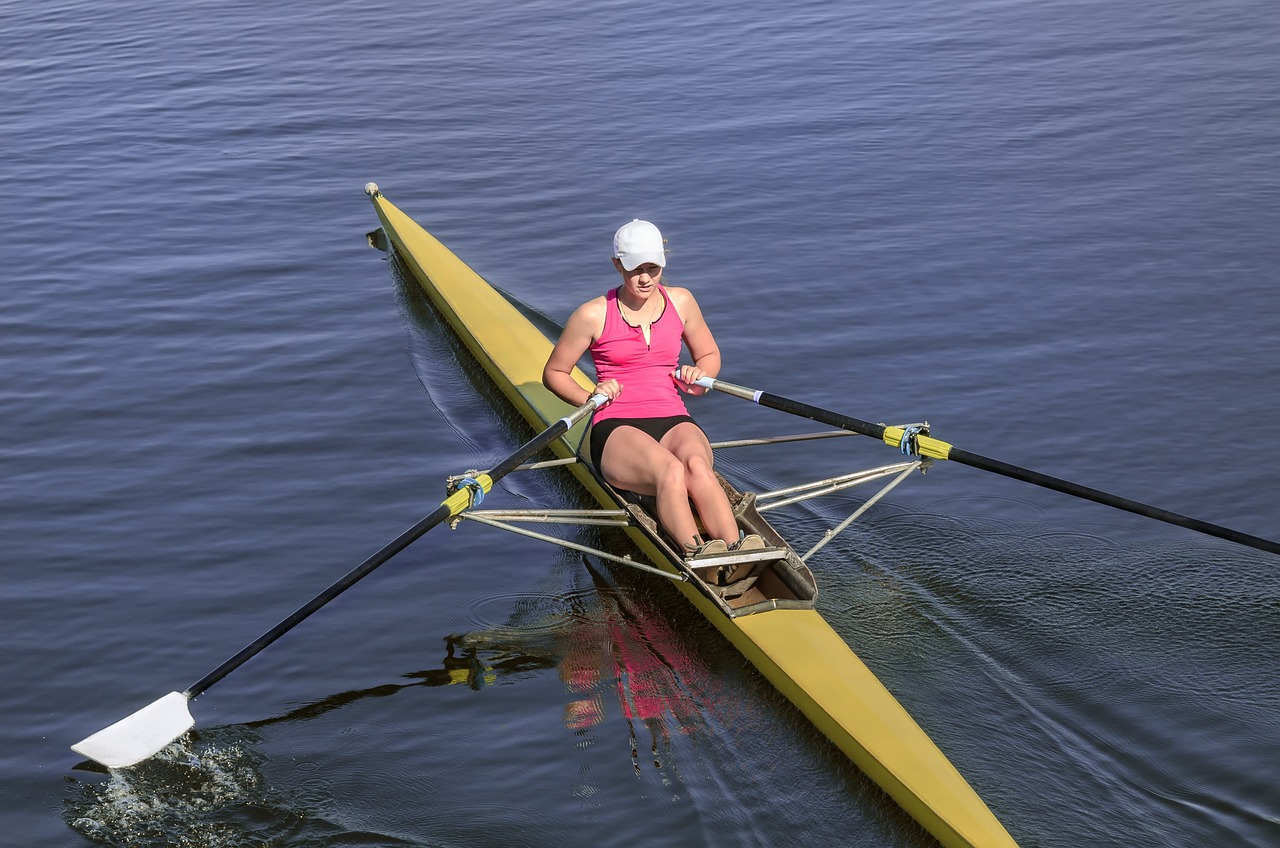

Balancing Speed and Technique in Competitive Rowing
Competitive rowing is a thrilling sport where athletes strive to achieve the right balance between speed and technique. The fusion of these two aspects significantly influences performance. Rowers must maintain their boat’s momentum while ensuring their strokes are efficient. Speed in rowing primarily depends on the power exerted against the water. However, without proper technique, even the most powerful strokes could lead to inefficiencies. Athletes often spend countless hours refining their strokes, focusing on the angle of entry and the timing of their actions. This involves understanding the flow of water and how their movements affect their boat’s velocity. Therefore, technical excellence complements speed, creating a delicate interplay that defines competitive rowing. Training programs typically include drills specifically designed to enhance both elements. Coaches emphasize on developing muscle memory so that athletes can execute their strokes instinctively. Periodic video analysis sessions help rowers identify areas needing improvement. Additionally, rowers must engage in regular strength and conditioning exercises. This helps build endurance and power, further promoting optimal performance. Resultantly, athletes can maximize their speed while maintaining impeccable technique, a crucial aspect for competitive success.
In competitive rowing, understanding the concept of “catch” is vital for achieving optimal technique. The catch refers to the moment when the oar blade enters the water. An efficient catch sets the stage for a powerful stroke. If executed correctly, it allows the rower to harness maximum force as they pull through the water. Developing a strong catch requires coordination and timing. Rowers must aim to enter the water at the optimal angle and depth, creating minimal disturbance. Many rowers practice specific drills to perfect their catch, focusing on lightness and precision. Proper body positioning—keeping the body straight and relaxed—also plays a significant role. If a rower’s body is tense, it can impede fluid movement and reduce overall performance. Training many repetitions of the catch helps engrain good habits. Coaches utilize tools like ergometers to simulate water rowing, providing feedback on technique. Rowers can measure their stroke rates and power outputs, facilitating insights into their performance. As athletes hone their skills, they find that a stronger catch contributes to higher speeds. Ultimately, mastering this aspect becomes pivotal in competitive contexts, helping athletes gain an edge over their competitors.
The Role of Timing in Rowing
Timing in competitive rowing governs how effectively a rower can transition through each phase of the stroke cycle. Each stroke comprises four parts: the catch, drive, finish, and recovery. Among these, timing is crucial in synchronizing movements. Rowers must coordinate their efforts to ensure a seamless flow from one phase to another. In particular, the recovery phase often determines how quickly a rower is prepared for the next catch. A quick recovery allows the rower to maintain speed, reducing the boat’s drag, and increasing efficiency. Practicing a smooth recovery can enhance body positioning as well, as rowers focus on maintaining balance. Having teammates synchronizing their strokes is crucial for maintaining distance and reducing turbulence. Rowing as a crew highlights the importance of timing more than rowers might experience in solitary competitions. Each stroke must match up to maximize the boat’s speed. Coaches emphasize the importance of rhythm, often using audible calls to maintain it amongst the crew. Consistent timing enables rowers to achieve a more fluid motion through water, enhancing speed and contributing significantly to overall performance.
Ergonomics and body mechanics play crucial roles in maintaining speed and technique during competitive rowing. Proper posture and alignment are essential for efficient power transfer through strokes. Rowers must ensure that their bodies are at the correct angle to minimize strain and maximize energy use. This positioning helps to engage core muscles, which are fundamental for stability during aggressive strokes. Strengthening these core muscles not only improves technique but also minimizes the risk of injury. Training regimens often focus on building both upper and lower body strength, as well as flexibility. Implementing strength training exercises can help in enhancing muscle control during competitive situations. Additionally, cross-training with activities like cycling or swimming can promote overall fitness without placing undue stress on rowing-specific muscles. Coaches emphasize the value of maintaining good ergonomics through multifaceted training programs. Many rowers also utilize physical therapists or trainers to address aspects of their physiology and biomechanics. This holistic approach contributes to improved longevity in the sport. Resultantly, athletes enjoy a more sustainable performance, allowing them to compete sharply at the highest levels.
Nutrition for Rowers
Optimizing nutrition is essential for rowers aiming to balance speed and technique effectively. Competitive athletes require a well-rounded diet to sustain energy levels during intense training sessions and competitions. Carbohydrates serve as the primary fuel source, providing necessary energy for explosive movements. However, proteins must also be prioritized to aid in muscle recovery and growth, as well as ensuring overall performance. Healthy fats should not be overlooked; they are a source of sustained energy. Hydration is paramount, as rowing demands significant physical exertion and can lead to dehydration. Rowers need to consume proper fluids before, during, and after training sessions. Tailoring specific meal plans around training schedules ensures optimal energy levels are maintained. Pre-training meals should focus on digestible carbohydrates, while post-training meals incorporate proteins to facilitate recovery. Many rowers work with sports nutritionists to craft personalized diets that cater to their activity levels and training regimens. Understanding the importance of nutrition helps athletes prepare physically and mentally for competition. This strategic approach contributes to achieving maximum performance during races, enabling rowers to capitalize on their hard work and training.
Technology has a transformative impact on competitive rowing, particularly in relation to enhancing speed and technique. Advanced coaching tools and analytics assist coaches in providing immediate feedback to athletes. For instance, rowing machines equipped with performance-monitoring technology can track metrics like stroke rate and power. Moreover, GPS-based systems allow rowers to measure distance and speed more accurately during training. This technology enables rowers to adjust their techniques in real-time, optimizing their workouts. Wearable devices can also monitor physiological metrics like heart rate and caloric expenditure, providing data that helps assess overall fitness. Additionally, high-definition cameras are used to analyze stroke mechanics by recording each workout session. This detailed analysis allows rowers to visualize their technique and pinpoint areas needing improvement. The incorporation of technology creates interactive training sessions, making practices more effective. Coaches use this data to develop targeted training plans based on individual athlete’s strengths and weaknesses. Consequently, the combination of traditional rowing practices with modern advancements creates a comprehensive training environment that helps maintain speed and enhance technique during competitions.
Conclusion: Mastering the Balance
Mastering the balance between speed and technique is essential for success in competitive rowing. Athletes must consistently refine their skills to navigate the demanding nature of the sport. As speed and technique complement each other, rowers are reminded to focus on consistent practice and improvement. Engaging in drills targeting specific areas—aspects like the catch, timing, and body mechanics—plays a crucial role in this development. Proper nutrition and hydration support their physical capacity and sustain energy levels, while technological advancements provide valuable insights into performance. Furthermore, maintaining communication and synchronization with teammates is essential for crew rowing, enhancing both cohesion and efficiency. Ultimately, through dedication and the pursuit of continued learning, rowers can cultivate their abilities to excel competitively. Reflecting on one’s performance and applying feedback fosters growth, essential for long-term success. With a holistic approach combining physical, mental, and technical components, rowers can master the art of competition. In doing so, they not only meet their personal goals but contribute to achieving shared success as a team as well.