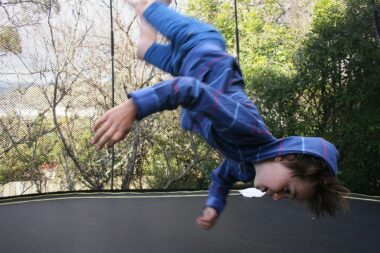

How to Organize a Water Trampolining Event
Organizing a water trampolining event requires meticulous planning to ensure fun and safety for all participants. First, choose a suitable location that has sufficient space for water tramps and safety measures in place. It’s crucial to check for nearby medical facilities and lifeguard availability. Secure the necessary permits from local authorities to operate the event without legal issues. Establish clear safety rules for participants, including proper gear and height regulations. Consider unexpected weather conditions, and have a backup plan ready to ensure the event can continue or be rescheduled. Ensure you have enough trained staff to facilitate the activities efficiently. Create a clear timeline for your event, outlining every detail from setup to teardown. With teamwork, you can create an engaging experience for attendees to enjoy. Remember, good communication with participants is essential! Announce directions, schedules, and safety rules before getting started to keep everyone informed. Engage with sponsors or local businesses to get support and form partnerships that promote the event. Utilizing social media platforms will be beneficial in promoting your event and attracting attendees.
Budgeting is a crucial aspect when organizing a water trampolining event. Assess all potential costs, such as venue rental, equipment purchases, renting trampolines, and safety gear. Include expenses for hiring trained staff, renting lifeguards, and acquiring first aid kits to provide emergency care swiftly. Allocate funds for marketing expenses, promotional materials, and possibly food and beverage vendors for participants. To reduce costs, try negotiating bulk rates with suppliers or seeking sponsorship from local businesses. Understanding your target audience’s needs will make budgeting more effective. Research pricing trends and competitors’ offerings to help determine an appropriate ticket price to ensure your event is profitable while remaining affordable for attendees. Setting a clear financial goal will guide you through the process and help you make informed decisions about spending. Offering early-bird discounts can encourage ticket sales and improve cash flow leading up to the event. As the event date approaches, create a checklist of necessary items that need to be purchased or finalized. Keep track of all expenses and make adjustments if necessary to stay within budget.
Creating an Event Timeline
A solid timeline is essential for the successful execution of your water trampolining event. Start with establishing the date and time. Decide on the event duration, allowing ample setup and teardown time. List all key activities, including registration, warm-up sessions, and competitions. Assign specific time slots for each activity to keep participants engaged and organized. Make arrangements for each activity, ensuring that equipment is set up well in advance to prevent delays. Schedule a safety briefing at the start and, if applicable, ongoing reminders throughout the event about safety practices. Coordinate with team members about their specific roles and timelines to ensure smooth transitions. Include breaks to give everyone a chance to rest and hydrate. Provide a detailed schedule to participants ahead of the event so they know what to expect. Post the schedule on-site for easy reference during the event. Factor in potential delays, and aim to keep a flexible mindset to adapt as necessary during the day. Feedback from participants after the event can help refine future timelines and processes.
Marketing and promotion play vital roles in the success of your water trampolining event. Develop an engaging marketing strategy, starting with identifying your target audience. Utilize social media platforms, such as Facebook and Instagram, to create excitement and awareness. Design eye-catching flyers and promotional materials to distribute in local businesses, schools, and community centers. Use local media outlets, including radio stations and newspapers, to advertise the event. Create engaging content that highlights the unique aspects of your event, such as competitions, prizes, or special guests. Provide early registration incentives to encourage commitment from your audience. Collaborate with local influencers or athletes to help spread the word and attract participants. Have a dedicated website or webpage where people can find information and register. Make sure the registration process is easy and user-friendly to avoid deterring participants. After the event, leverage testimonials and images to build a community and anticipation for future events. Analyze the effectiveness of your marketing efforts to refine your strategy and learn from experiences for subsequent events.
Safety and Equipment Considerations
Safety should be prioritized in any water trampolining event. Ensure all equipment, including trampolines, is of high quality and meets safety standards. Regularly inspect equipment for any signs of wear or damage. Safety gear is essential to protect all participants; provide life jackets, helmets, and pads as required. Utilizing a reliable first-aid kit is critical, and having trained personnel on-site prepared to handle emergencies is non-negotiable. Clearly communicate safety rules and guidelines to participants before starting activities. Implement a buddy system or assign staff supervisors to oversee smaller groups for safe trampoline practices. Ensure proper supervision ratios to guarantee attendees are monitored closely. Establish a clear emergency plan in case of accidents or adverse weather conditions, including evacuation routes and procedures. Conduct safety drills beforehand to familiarize staff with the plan. Make sure all participants sign waivers acknowledging the risks involved and their commitment to following safety regulations. After the event concludes, conduct a debriefing with staff to discuss any incidents and areas for improvement regarding safety.
Engaging participants before and during the water trampolining event will elevate their experience. Consider incorporating fun competitions or challenges for different age groups or skill levels to promote community interaction. Create a friendly atmosphere that encourages participants to cheer for each other and create lasting memories. Offer prizes for contests to incentivize participants to join in and celebrate their achievements. Consider having an emcee or host to keep the energy alive and interact with attendees throughout the event. Music can set a lively mood, so curate a playlist that appeals to various audiences and fits the theme. Provide opportunities for photos or videos; create designated areas for catching moments that participants can share on social media. Enable an instant photo printing service for attendees to keep memories tangible. Afterward, encourage participants to share their experiences online using a specific event hashtag. Collect feedback through surveys to understand what went well and what can be improved for future events. Engaging with attendees, both during and after the event, fosters a sense of community and enhances overall satisfaction.
Post-Event Analysis and Reflection
After the water trampolining event, conduct a thorough analysis and reflection to assess its successes and areas to improve. Gather feedback from all participants, staff, and volunteers through surveys or informal discussions. This is vital for understanding what aspects were well-received and identifying shortcomings. Analyze ticket sales and revenue against your budget to determine profitability. Review the logistical execution of the event, including scheduling, safety measures, and overall participant engagement levels. Observe the feedback to help shape future events, identifying which elements to keep, enhance, or remove altogether. Document everything and compile notes for reference. Meet with your team to discuss the event, fostering an environment focused on constructive critique rather than blame. Collaborate on ways to innovate and improve the experience in future events. Use insights gained to update your planning process and marketing strategies. Acknowledging areas for improvement will assist in successful future endeavors while celebrating the achievements of your team will boost morale.
In conclusion, organizing a water trampolining event is a multi-step process that requires attention to detail, planning, and community engagement. Establishing a timeline, budget, and marketing strategy are essential to draw in participants and ensure safety during activities. Prioritize safety protocols while ensuring engaging and entertaining activities for attendees. Engaging with participants through competitions and entertainment activities can make the event memorable. Gather feedback to improve and innovate future events while celebrating successes and teamwork. Make sure to utilize all resources at your disposal, from sponsors to local influencers for better outreach. Acknowledge your team members’ contributions in the organization process, ensuring a shared sense of purpose and commitment. With meticulous planning and reflection, your water trampolining event can become a highly anticipated community tradition. The immediate goal should be to create an inclusive and engaging experience that leaves lasting impressions on all attendees. As you garner more experience, you can refine your processes and approaches. Remember, success isn’t merely measured in attendance numbers; it’s about building lasting relationships in the community.