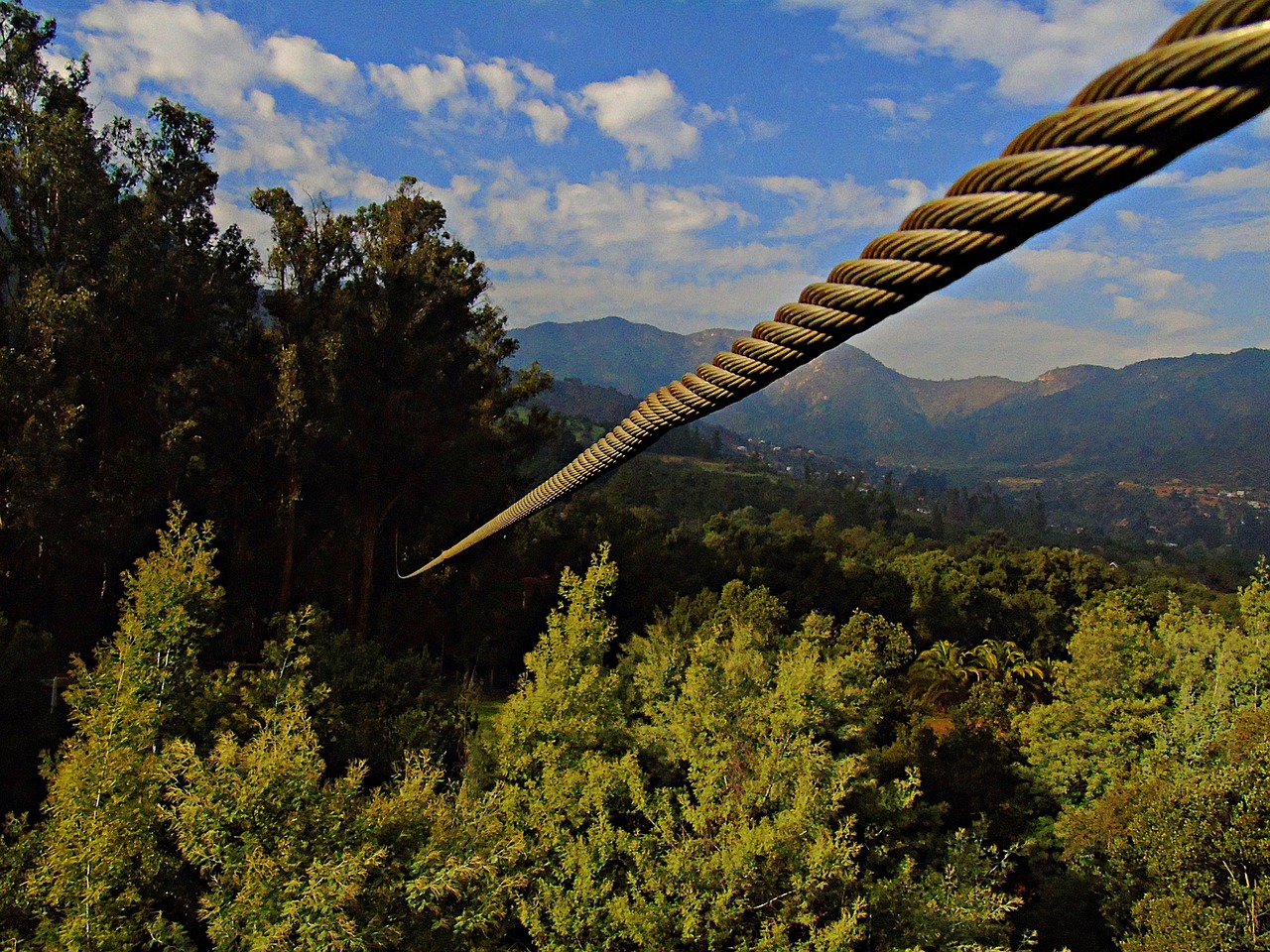

The Environmental Impact of Zip Lining and How to Minimize It
Zip lining is a thrilling outdoor adventure sport that offers breathtaking views and adrenaline rushes. However, its environmental impact cannot be overlooked. The construction of zip lines often requires clearing trees, grading land, and creating paths, which can lead to habitat destruction. This disruption poses risks to local wildlife and biodiversity. Furthermore, the installation process may also result in soil erosion, which affects the surrounding ecosystem. To mitigate these impacts, it is important for operators to conduct thorough environmental assessments prior to construction. Implementing sustainable practices can help preserve the natural habitat that makes zip lining appealing. This includes minimizing tree removal and using more eco-friendly materials in construction. Additionally, efforts should be made to educate participants about the importance of conservation while enjoying these experiences. Companies can engage in reforestation projects to offset their carbon footprint. The ziplining industry can thrive while also contributing positively to nature, which is essential for long-term sustainability. By integrating these practices, both thrill-seekers and environmentalists can find common ground. Ultimately, the enjoyment of outdoor adventure sports like zip lining doesn’t have to come at the expense of our precious environments.
Sustainable Practices in Zip Lining Operations
Implementing sustainable practices in zip lining operations is key to minimizing environmental impacts. One effective strategy is creating zip line courses that follow the natural landscape, thus reducing the need for major alterations. Design can focus on using existing trees and topography, thereby preserving significant vegetation and wildlife. Operators should also utilize materials that are durable and have low environmental footprints, such as recycled or sustainably sourced materials. Regular maintenance of lines can prolong their life and diminish waste. Collaboration with local environmental groups can foster better environmental practices, enabling zipping companies to stay informed about wildlife needs in the area. Furthermore, utilizing renewable energy sources, such as solar power, to operate facilities can greatly reduce overall greenhouse emissions. Enhancing customer awareness about eco-friendly practices during zip line tours can also encourage responsible behaviors. Participants should be informed about how to respect local flora and fauna. Finally, zip lining companies can give back by establishing conservation programs or donating a portion of their profits to environmental nonprofits. Through these collective actions, zip lining can be a leading example of how adventure sports can operate harmoniously with nature, safeguarding both enjoyment and preservation.
Zip lining, while exciting, has the potential to impact local ecosystems negatively. One major concern is its effect on animal habitats. Animals rely on undisturbed environments for feeding, nesting, and mating. The clearing of land for constructions may disrupt these interactions. Birds, for example, can be significantly affected due to disturbances in their breeding areas or food supply. Additionally, the noise generated by zip line operations can further scare wildlife away. To tackle these issues, it is essential that zip line operations restrict access to sensitive areas. Zones with valuable habitats should be designated as no-go areas for humans. This can help ensure minimal disruption to wildlife. Another solution involves conducting regular wildlife surveys to monitor the health of animal populations and identify areas that may require additional protection. Working with biologists can provide operators with data necessary for these assessments. Understanding animal behaviors allows operators to plan courses that avoid critical habitats. Ultimately, finding that balance between adventure and conservation will prove crucial for the future of zip lining as an outdoor sport. The integration of environmental considerations into planning and execution will pave the way for responsible eco-tourism practices.
Educating zip line users about their impact on the environment is vital in fostering an ethic of sustainability. Awareness programs can enhance the experience by making users mindful of their surroundings and the ecosystems they traverse. For instance, providing guidance on how to respect the environment—such as staying on marked paths and avoiding littering—can foster better practices among zippers. Information on the local flora and fauna can also enrich the zip lining adventure, making it more meaningful. Participants should be informed about how their enjoyment directly correlates with conservation efforts. Encouraging responsible behavior among adventure sports enthusiasts leads to appreciation and desire to protect the natural world. The use of signage along zip line courses can serve as reminders about minimizing one’s footprint. Furthermore, organizing events such as clean-up activities can help bring awareness and allow participants to contribute positively. Companies must highlight the importance of preserving natural landscapes to ensure these experiences remain available for future generations. The commitment to education must extend beyond the trip itself; it should be an integral part of the company culture. This ensures that sustainability and adventure are not mutually exclusive but instead complement each other in the zip lining experience.
Restoration of natural habitats is another important factor following zip line construction. This includes replanting native vegetation which helps to rebuild damaged ecosystems, ensuring the growth of local wildlife populations. Installing features that improve the habitat can support wildlife, particularly in areas where ground habitats have been degraded. For example, leaving logs and branches in strategic locations can create shelter for small animals. In addition, ecological corridors can be established, enabling safe passage for animals between fragmented habitats. Efforts to promote biodiversity must involve selecting the right native plant species for restoration; these plants are better suited for local conditions and can thrive without the addition of chemicals. Corporate partnerships with local conservation organizations can greatly enhance these restoration efforts. Funding initiatives or volunteer programs can leverage shared resources for effective habitat rehabilitation. Furthermore, encouraging user participation in restoration projects fosters a sense of ownership in the local environment, ensuring that the legacy of zip lining fosters ecological balance instead of disruption. Wildlife monitoring as part of these projects can measure the effectiveness of restoration efforts. This comprehensive approach is essential in making zip lining a truly sustainable adventure experience.
The regulations governing zip lining operations can play a significant role in minimizing their environmental impact. Ensuring compliance with environmental laws at local, state, and federal levels is vital for responsible operation. Regulations can establish clear guidelines for construction practices, habitat protection, and overall environmental preservation. Licensing requirements can also mandate operators to acquire necessary permits that enforce adherence to best management practices. Regular inspections of courses to ensure compliance with safety and environmental standards can prevent potential issues from arising. Furthermore, creating certifications for environmentally friendly operations can encourage zip lining companies to strive for higher standards. Companies can work collaboratively with regulatory bodies to further improve environmental safeguards—this partnership can promote innovation and excellence in the industry. The development of a national framework for best practices can help harmonize operations across various regions. Establishing a commitment to sustainability within regulatory frameworks protects natural ecosystems and increases public trust in the industry. Communication between governing entities and zip lining companies is crucial in driving meaningful change. This collaborative approach encourages transparency and proactive measures that protect the environment while ensuring safe and enjoyable experiences for adventure enthusiasts.
In conclusion, the environmental impact of zip lining can be significant, yet it is manageable. By implementing sustainable practices, engaging in habitat restoration, and educating users, the industry can thrive while preserving the ecosystems it utilizes. Collaborative efforts between operators, participants, and regulatory bodies can help promote sustainable zip lining. As awareness grows, the demand for eco-friendly practices will likely rise, pushing companies to prioritize environmental considerations. Creating certifications for sustainable operations could further propel the industry toward responsible adventure sports. Zip lining, when approached with respect and foresight, can continue providing thrilling experiences without compromising environmental integrity. Balancing adventure with conservation will be a defining factor for the future of this outdoor sport. As operators realize their role in the larger ecological landscape, effective changes can take place. This creates a win-win situation where adventure seekers can enjoy their pursuits while positively impacting nature. Continued advocacy and education will play an essential role in shaping the industry. Furthermore, ongoing dialogue about best practices among stakeholders can lead to further innovations. Ultimately, a commitment to sustainability will ensure that zip lining remains a viable and enjoyable outdoor activity for generations to come.