
Top Core Strengthening Movements for Beginners
Starting your fitness journey can be daunting, but focusing on core strengthening movements is a great beginner’s strategy. The core includes the muscles in your abdomen, lower back, and pelvis, significantly aiding overall stability. A strong core enhances daily activities and supports better posture, reducing the risk of injury. Incorporating specific exercises into your routine helps build strength progressively. Try exercises like planks, which engage multiple core muscles and increase endurance. Incorporate side planks for additional challenge. Also, bridges target glutes and lower back. Swimming can further improve core stability. Squats are fantastic too as they engage the core while working on legs. No equipment is needed for many moves, making them accessible for beginners. Proper form is crucial to prevent back strain. It starts with your breathing: inhale to prepare, and exhale as you engage your core. Aim for consistency to see improvement over time and focus on how these movements enhance your athletic performance. Make sure to enjoy the process and mix in variations to keep workouts fun. With commitment, core-strengthening movements will yield great results quickly.
The plank is perhaps the most recognized core exercise and is perfect for beginners. To perform a plank, start in a push-up position. Your arms should be straight, and your body should form a straight line from head to heels. Engage your core and hold this position for as long as possible, gradually increasing your time as you build strength. Aim for 20 to 30 seconds initially, then increase. This exercise not only strengthens your abdominals but also engages your shoulders and back. More advanced variations include side planks and plank jacks, adding a dynamic element to your core workout routine. Maintain proper alignment to prevent unnecessary strain on your lower back. Incorporating planks three times a week will lead to noticeable results, enhancing your stability and overall fitness. To track your progress, keep a workout journal noting the duration of each hold. This simple yet effective exercise is a staple for anyone looking to build a powerful core in a safe manner. Remember, core strength is vital not just for fitness enthusiasts but also for enhancing functional everyday movements.
Bridging the Gap: The Benefits of Bridges
Bridges are an excellent exercise to strengthen the lower back, glutes, and core. They are easy yet effective for beginners, requiring no equipment. To execute a bridge, lie on your back with knees bent and feet flat on the floor, hip-width apart. Drive through your heels, lifting your hips toward the ceiling while engaging your abdominal muscles. Ensure your shoulders remain relaxed, and hold the peak position for a few seconds before returning to the starting position. Aim for 10 to 15 repetitions initially, taking breaks as necessary. Bridges contribute to overall hip stability and targeted muscle activation, greatly improving the function of your core. As you progress, incorporate variations, such as single-leg bridges, to challenge yourself further. These not only build strength but also enhance flexibility in the hip flexors. Keeping your core tight throughout the movement is key to maximizing benefits. Bridges can be seamlessly integrated into any workout routine, making them a versatile choice. They complement other movements and ensure balanced core development while protecting your lower back.
Another fantastic exercise for beginners is the bird-dog. This exercise effectively strengthens core stability, coordination, and balance. Start on all fours with your wrists placed under shoulders and knees under hips. Engage your core and extend your right arm forward while simultaneously extending your left leg backward, making sure your body forms a straight line from fingertips to toes. Hold for a moment before returning to the starting position and switching sides. Aim for 8 to 10 repetitions per side. This exercise forces you to stabilize your core to prevent falling over, helping improve overall balance in daily activities. Maintain control throughout the movement, focusing on your core engagement. The bird-dog is also gentle on the back, which makes it an excellent choice for beginners. Incorporating this movement regularly will improve coordination while targeting the multifidus muscles around the spine. As you progress, consider adding weights or increasing repetitions to challenge yourself further. This keeps workouts diverse and engaging while ensuring continued strength development. Practicing bird-dogs can foster greater awareness of body mechanics.
The Power of Russian Twists
Russian twists are an engaging exercise focusing on rotational movements which strengthens obliques, an important core component. To perform a Russian twist, sit with your knees bent and feet elevated slightly off the ground, balancing on your sit bones. Lean back slightly, maintaining a straight back, and clasp your hands together for stability. Rotate your torso to the right side, then to the left, tapping the ground beside you with your hands. Each side counts as one repetition. Aim for 10 to 15 repetitions to start, focusing on the core engagement rather than speed. To increase intensity, hold a weight or use a medicine ball. Keep your core tight throughout the movement to maximize effectiveness and avoid strain. This exercise not only targets the core but also improves overall flexibility and stability. Regular practice will improve your athletic performance in various sports requiring rotational strength. Incorporate Russian twists into your core routine for an element of fun and challenge. This will help maintain consistency and engagement over time. Engaging both mind and body ensures successful training.
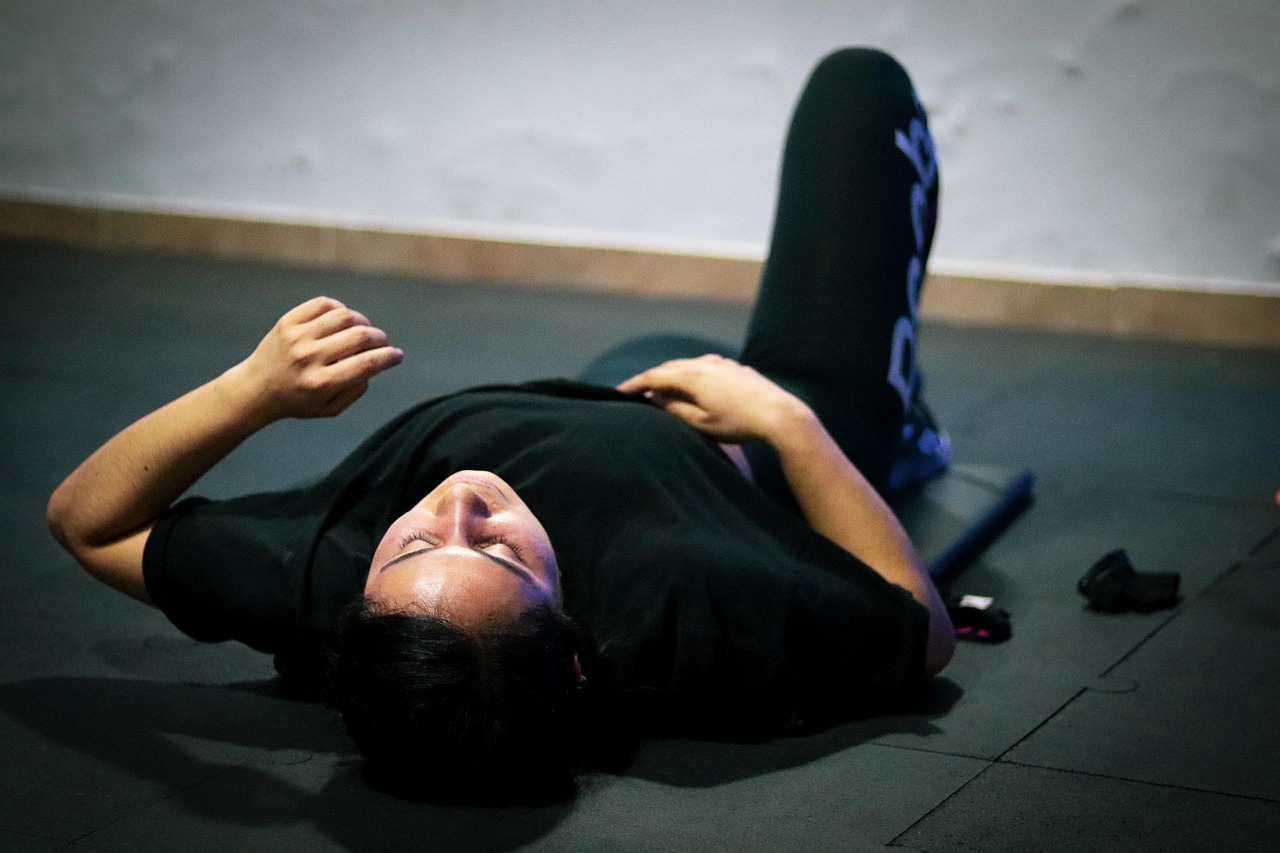
Dead bugs are another valuable core exercise, perfect for beginners looking to build strength and enhance coordination. To perform a dead bug, lie on your back with your arms extended toward the ceiling and your knees raised at a 90-degree angle. Slowly lower your right arm and left leg toward the floor while keeping your lower back pressed against the mat. Return to the starting position and repeat, alternating sides. Focus on controlled movements and avoid arching your back. Start with 8 to 10 repetitions per side, emphasizing proper technique. The dead bug effectively engages your core and trains the muscles responsible for maintaining stability during movement. They help connect fundamental movements to everyday tasks, ensuring overall core strength development. Incorporating this exercise into your routine improves your ability to perform more complex movements later on. As you gain strength, gradually increase the repetitions or explore variations by using light weights. Combining dead bugs with other exercises leads to a well-rounded core strengthening program. Listening to your body is crucial, ensuring you adapt to challenges safely.
Squat Your Way to a Stronger Core
Squats are not only key for leg strength; they also engage the core significantly, making them a beneficial addition for beginners. To perform a squat, stand with your feet shoulder-width apart and your toes slightly pointing outward. Keep your chest up and push your hips back as you lower your body, bending at the knees. Your knees should track over your toes while maintaining a straight back. Aim for a 90-degree bend at the knees and keep your weight on your heels. Once at the bottom, push through your heels to rise back up, engaging your core throughout. Start with 10 to 15 squats, focusing on form over quantity. As your strength increases, consider incorporating weights, such as dumbbells or kettlebells, to further challenge your muscles. Squats enhance functional strength, making daily activities easier and enhancing athletic performance. Establish a routine that includes squats and their variations, ensuring you keep your workouts engaging and dynamic. Regular practice will yield noticeable results in both core stability and overall fitness.
Lastly, consider adding mountain climbers to your routine for a full-body workout that also emphasizes core strengthening. To begin, adopt a push-up position with your hands directly under your shoulders. Engage your core and bring one knee towards your chest, then quickly switch legs, mimicking a running motion. Keep your hips down, ensuring your core remains engaged, to maximize effectiveness. Start with short intervals of 20 to 30 seconds, taking breaks in between as you build endurance. Mountain climbers promote cardiovascular fitness alongside core strength, making it an efficient high-intensity workout. Maintain steady, controlled movements to avoid injury and ensure that your back remains flat throughout. As your strength improves, increase your intervals for a greater challenge. This exercise is versatile and can be incorporated into various workouts, enhancing both strength and endurance. Mountain climbers are suitable for all fitness levels and ensure a dynamic core training experience. Begin with manageable intervals and progressively increase as your fitness improves to witness considerable results.