
Tracking Progress: Postnatal Cardiovascular Fitness Apps and Tools
Postnatal cardiovascular fitness is crucial for new mothers, as it addresses both physical recovery and overall health. Utilizing apps and tools dedicated to tracking progress is an essential strategy. This article explores various approaches that new mothers can adopt to monitor their cardiovascular health effectively. Apps that focus on heart rate tracking, workload management, and activity logs are particularly beneficial. Such digital solutions encourage accountability and provide a clear picture of fitness. A notable app is MyFitnessPal, which helps track workouts and caloric intake, ensuring a balanced diet post childbirth. Through consistent use, women can follow their journey, improving motivation. Incorporating these tools enables mothers to gradually increase their exercise intensity. Moreover, many apps connect users with communities, fostering support and shared experiences. Additional features include personalized workout regimens based on individual fitness levels. Such adaptability ensures safety and effectiveness. It’s essential for new mothers to embrace this technology to maintain their fitness goals and overall well-being. Making informed choices leads to quicker recovery after childbirth, benefiting not only mothers but their families as well. Lastly, tracking progress helps set achievable yet challenging benchmarks, ensuring sustainable growth.
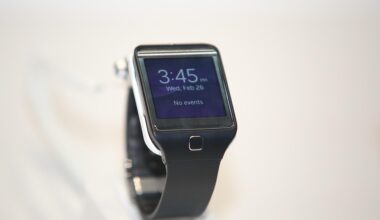
The role of wearable technology in postnatal cardiovascular fitness cannot be overlooked. Devices like heart rate monitors and smartwatches provide real-time feedback during exercises. These wearables help mothers understand their body’s response to physical activity, ensuring that they do not overexert themselves. Brands such as Fitbit and Apple Watch cater specifically to this demographic. They offer tailored heart rate zones that new mothers can utilize during workouts. Such insight helps prevent injury, making fitness more enjoyable and sustainable. Furthermore, these devices often sync with fitness apps, centralizing data for better tracking. This integration enhances user experience by simplifying progress monitoring. Supporting tools assist users in setting personalized goals based on endurance, speed, and recovery metrics. It’s vital to maintain a healthy cardiovascular system after giving birth, and these technologies encourage regular exercise. Each step counts, and devices can help celebrate the small victories in a new mother’s fitness journey. Additionally, features such as reminders for workouts can increase compliance with exercise routines. Establishing a routine from the onset fosters long-term habits, significantly impacting overall health and wellness.
Online communities dedicated to postnatal fitness play a significant role as supportive resources. These platforms offer guidance from professionals like personal trainers and nutritionists. They create spaces for mothers to share experiences, fostering camaraderie and motivation. Examples include forums such as My Postnatal Fitness, which provide wellness advice alongside pregnancy and childbirth tips. Access to expert insights simplifies fitness planning during those early months. Online video workouts tailored for postpartum women have also surged in popularity. These workouts focus on gradually rebuilding strength and cardiovascular health. Streaming services also create a unique experience, letting mothers choose how and when to exercise. Benefits of these communities extend beyond physical fitness. Emotional support can significantly impact mental health, which is equally crucial in the postpartum phase. Engaging with others who understand similar struggles can alleviate feelings of isolation. Consistent interaction fosters personal commitment to fitness goals. Beyond mere encouragement, these interactions lead to shared knowledge about effective tools and methodologies. Establishing friendships within these online spaces provides both direct and indirect motivation. This unique blend of social interaction and expert advice greatly enhances a mother’s fitness journey.
Apps for Tracking Progress
Several apps specifically designed for postnatal cardiovascular health feature custom plans, culinary advice, and more. One app of note is Jojofit, which is tailored to new mothers. Jojofit focuses on both fitness and nutrition, offering workouts that cater to varying recovery stages. This app emphasizes safe practices, crucial for postpartum recovery. Another noteworthy option is Lifesum, as it aids in maintaining nutritional balance. This app offers meal plans that align with fitness goals, simplifying diet management. The integration of meal logging coupled with workout routines makes Lifesum invaluable. Each user’s data fosters personalized suggestions, enhancing the overall experience. Additionally, community features allow users to connect, share progress, and provide support. These interactions stimulate motivation and accountability. Many mothers appreciate the dual focus on fitness and nutrition, as it considerably boosts their wellness journey. Another innovative tool is Peloton, which has become widely recognized for its engaging classes. Peloton offers tailored workouts that can challenge and inspire new mothers. These unique aspects of each app cater specifically to the needs of postpartum women, offering versatile solutions in a structured manner.
Integrating family into fitness routines can enhance the postnatal experience. Many apps enable family-friendly workouts, fostering a supportive environment for mothers. By involving partners or children, mothers can create enjoyable shared moments while exercising. Apps such as Zombies, Run! transform workouts into interactive adventures that can engage the whole family. Children often enjoy these narrative-based approaches, making physical activity feel less like a chore. Additionally, family challenges incentivize teamwork and progress tracking. These shared experiences cultivate closeness while prioritizing fitness. Incorporating family into workouts creates lasting memories beyond fitness goals. Engaging in physical activity together encourages mutual support, enhancing motivation and adherence. Fitness becomes a lifestyle that inspires the next generation. Educational content is also available within some apps, offering tips on how to incorporate children into workouts safely. This ensures that activities are safe for everyone involved. Furthermore, creating structured schedules for family workouts solidifies fitness as a priority. Family involvement not only boosts morale but cultivates an understanding of health benefits within the household. Overall, integrating family into postnatal fitness routines enriches the experience for both mothers and their loved ones.
Data Tracking and Analysis
Data tracking tools allow new mothers to monitor cardiovascular health diligently. By logging workouts, nutrition, and recovery, women can identify patterns in their progress. Apps and wearables track heart rate, calories burned, and more, offering insights to elevate workouts. Understanding these metrics provides clarity on how the body responds post-childbirth. Such analyses create tailored strategies for a healthier lifestyle. Insightful trends can reveal improvements over time, aiding motivation. Visual representations of progress motivate users to keep pushing boundaries to achieve their goals. Moreover, many apps offer reminders for hydration and nutrition, ensuring holistic health management. Tracking heart rates during workouts can prevent overexertion, promoting effective recovery. Integrating additional factors like sleep patterns is paramount, as quality rest supports cardiovascular health. Analyzing sleep data alongside exercise routines enables better scheduling to optimize recovery. Apps can assess individual recovery times, adjusting future workouts for sustained improvement. Finding a balance between workout intensity and recovery time is crucial. Data-driven applications empower women to be proactive about their health, ensuring fitness goals are met while maintaining safety and well-being.
Lastly, incorporating professional support enhances the effectiveness of these applications and tools. Consulting with a healthcare provider or certified fitness trainer is essential during the postpartum phase. They can provide tailored advice, ensuring that mothers exercise safely while using apps and tracking tools. Many fitness apps include options to connect with professionals for personalized coaching, adding to their value. Furthermore, professional guidance is crucial in creating an individualized fitness plan, addressing unique recovery needs. A holistic approach encompassing both fitness and nutritional advice is paramount for optimal health. Integrating this professional support with modern tech allows women to monitor their progress effectively. Additionally, joining local fitness classes can supplement app use, providing motivation and community connections. These social dynamics foster a supportive atmosphere, enhancing commitment to goals. A cohesive approach combining technology, community, and expert advice creates a robust framework for achieving postnatal cardiovascular health. As women navigate motherhood, focusing on personal well-being is vital. Engaging with multiple resources creates a comprehensive strategy that empowers women to reclaim their fitness, thus enhancing their quality of life.
Conclusion
Postnatal cardiovascular fitness is achievable with the right apps and support systems in place. As technology evolves, the emphasis on health and well-being becomes increasingly accessible. New mothers can utilize various digital tools, wearables, and professional guidance simultaneously to stay on track with their fitness goals. Building a routine that incorporates fitness into daily life is essential for health and happiness. Embracing community and family involvement fosters a balanced lifestyle in the postpartum phase. Success depends on leveraging these new technologies while ensuring a holistic approach to health. With consistent effort and the aid of accessible resources, mothers are empowered to reclaim their cardiovascular fitness effectively. Ultimately, the journey towards improved health contributes to overall emotional well-being, facilitating positive transitions into motherhood. Healthier mothers cultivate more robust family bonds and set positive examples as their children grow. In turn, family support enhances the sustainability of fitness journeys. With dedication and the right tools, new mothers can flourish in their postnatal fitness journeys, enjoying both physical and emotional rewards along the way. This journey towards recovery and health isn’t just personal—it’s about finding empowerment and balance during one of life’s most transformative phases.