
Unusual Symptoms of Dehydration You Might Overlook
Dehydration is often linked to common signs like thirst and dry mouth, but there are subtler symptoms that can easily be overlooked. One of the first unusual symptoms to watch for is a sudden sense of fatigue. When the body lacks water, it feels sluggish and tired, impacting your energy levels significantly. Another overlooked symptom is headaches. Numerous studies indicate that even mild dehydration can cause discomfort and tension-like headaches. In addition to headaches, dizziness is common. A lack of adequate fluid often leads to reduced blood volume, causing feelings of lightheadedness or fainting. Further, dry skin is another sign that many ignore; skin elasticity decreases when dehydrated, resulting in a loss of moisture and nourishment. Another important symptom to consider is decreased urine output. If going for long periods without urinating, it could be a warning sign! Also, dark yellow urine is an indicator of dehydration severity. Keeping track of urine color is an easy method of monitoring hydration status. Lastly, confusion and irritability can also be symptoms, especially in older adults, making awareness essential.
As dehydration progresses, it becomes even more critical to recognize its effects quickly. Dry eyes are one of the lesser-known signs that accompany dehydration. When the body is low on fluids, it might not produce enough tears to keep eyes fully moisturized. Consequently, it can lead to discomfort or a gritty feeling in the eyes. Also worth noting is how dehydration can lead to cramps or muscle spasms, particularly during physical activities. When the body loses significant amounts of water and electrolytes through sweat, it can experience painful muscle contractions. It’s important to listen to your body. Additionally, an unusually rapid heartbeat might be experienced when hydration levels drop, as the heart compensates for low blood volume. Changes in blood pressure are also notable. Individuals may feel a rise or drop in pressure, impacting overall well-being. Furthermore, confusion and mood swings may increase as the brain requires hydration to function optimally. By understanding these unusual symptoms of dehydration, you can take proactive steps to maintain hydration levels, thus ensuring your overall health and comfort throughout your daily activities.
Recognizing the Hidden Signs
Dehydration can manifest in several hidden ways that are often mistaken for other ailments. One of these signs is bad breath, which occurs due to reduced saliva production. As saliva plays a crucial role in oral health, its decrease allows bacteria to flourish, producing foul odors. Furthermore, if you notice sudden cravings for sweet or salty foods, this can indicate dehydration, as the body seeks fluids to balance its needs. It is essential to pay attention to these signals. Headaches, fatigue, and overall malaise may be dismissed as temporary irritations when they are, in fact, linked to hydration status. Dehydration can cause your organs to work harder than they should, reducing overall efficiency and energy. Mental clarity can also be impacted; even mild dehydration can impair cognitive function, leading to forgetfulness. Additionally, excessive thirst is not always evident. Instead, people can experience a lack of desire for food or drinks altogether, which can worsen their hydration status. When you feel off, it might be wise to assess your overall fluid intake and consider drinking more water regularly to mitigate these issues.
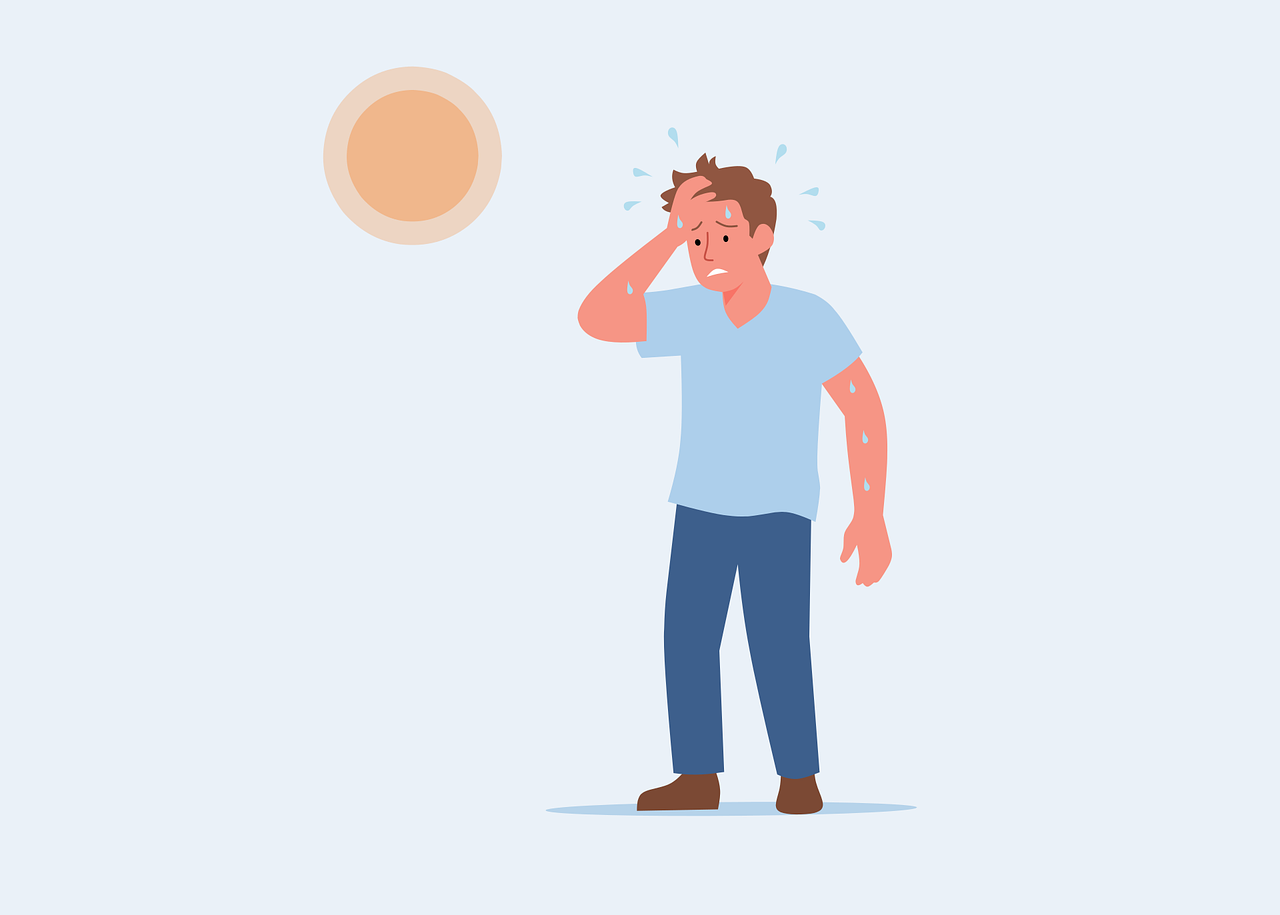
Another unusual symptom is changes in bowel habits. Dehydration can lead to constipation, as the body requires water to maintain regular bowel movements. When your intestines lack sufficient hydration, stool becomes hard and difficult to pass. This can lead to discomfort and increased straining during defecation. A surprising symptom few connect with dehydration is an inability to regulate body temperature. As your body becomes dehydrated, it loses its ability to sweat, making it harder to cool down in hot conditions. This lack of temperature regulation can lead to overheating or heat-related illnesses. Moreover, skin conditions can intensify with dehydration, affecting everything from eczema flare-ups to acne breakouts. Maintaining hydration helps in promoting skin health! Since kidneys also need adequate hydration to function properly, signs of distress might surface, including fluctuating glucose levels. Last but not least, as dehydration persists, it might induce stress or anxiety. Your mind requires hydration to function well, so keeping your water levels optimized may improve your mental health and well-being dramatically.
Stay Aware of Dehydration Risks
Understanding the risk factors associated with dehydration is crucial for prevention. Certain demographics, such as young children and older adults, are more susceptible to dehydration-related complications due to diminished thirst cues. Athletes, especially endurance competitors, face increased risks due to sweating, making hydration critical. The environment also plays a significant role; hot, humid, or high-altitude conditions can exacerbate fluid loss. Medications can contribute to dehydration, as some diuretics promote fluid loss in the body. Chronic illness is another concern, particularly those affecting renal function which may hinder water conservation. Keep an eye on your hydration status, especially during illness, as fever, vomiting, and diarrhea can lead to rapid depletion of fluids. Dietary choices matter too, as excessive intake of caffeinated or alcoholic beverages can contribute to dehydration. Knowing these risk factors enables you to take precautionary measures, ensuring that you remain adequately hydrated throughout various life circumstances. Always consider doing a hydration check regularly, particularly under strenuous conditions, to promote optimal health and performance.
There are effective strategies to prevent unusual symptoms of dehydration from impacting your life. Start by making hydration a priority. Set reminders to drink water throughout the day, even if you don’t feel thirsty. Keep a water bottle handy, and track your intake using apps or journal entries, especially during hot days or workouts. Nutritional choices can also enhance hydration; consuming fruits and vegetables packed with water content, such as cucumbers, apples, and oranges, can play a significant role. Furthermore, electrolytes are essential for rehydration; consider drinks that provide these to replenish your body effectively after intense activities. Ultimately, awareness and consistency in maintaining fluid intake can help prevent dehydration. Engaging in activities where heat is a factor calls for enhanced hydration measures; always drink fluids before, during, and after prolonged exposure. Adjusting your daily routine to prioritize hydration will help sustain your hydration levels and health management. Always listen to your body’s signals, adjusting your intake to maintain your fluid balance effectively. By continuously practicing these strategies, you can minimize the effects of dehydration.
Conclusion and Final Thoughts
Be proactive about hydration and recognize the unusual symptoms that accompany dehydration. Many people overlook these signs, attributing them to fatigue or stress, but it’s essential to connect the dots. Keeping track of your hydration can significantly improve your overall well-being and prevent unwanted complications. Being mindful about your fluid intake, incorporating more water-rich foods into your diet, and maintaining a regular drinking schedule can assure adequate hydration, tackling fatigue, headaches, and other unusual signs. As a result, this can keep your energy levels stable and foster better physical and mental performance. Make hydration an integral part of your daily rituals. Stay informed about your body’s needs, especially during exercise or extreme weather conditions, ensuring you are always prepared to rehydrate. Additionally, seek resources, tips, and apps to make tracking easier. Share your knowledge with others, imparting the importance of hydration for overall health and well-being in everyday living. Remember, understanding your body and its hydration needs can empower you in managing symptoms effectively, leading to a more vibrant and healthier life!