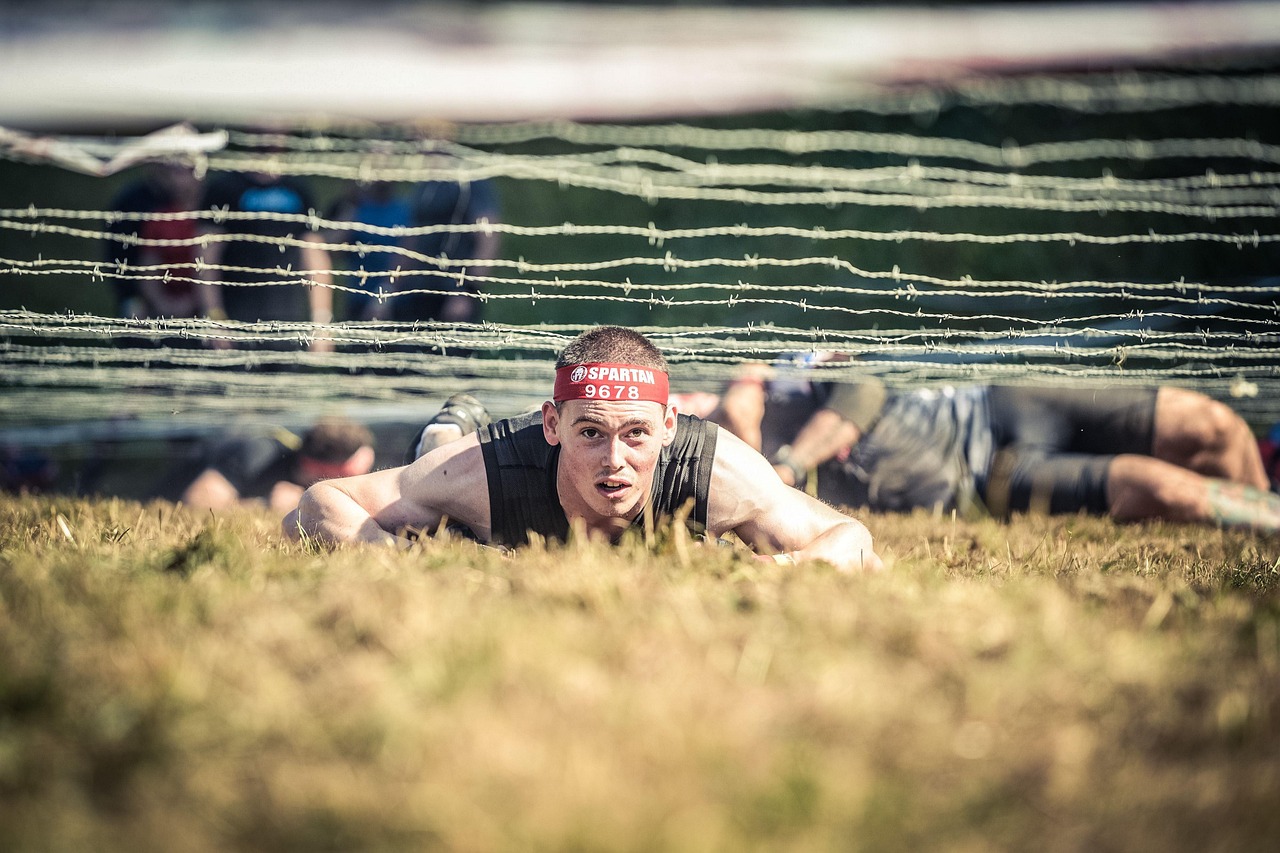

Best Practices for Obstacle Inspection Before Races
Obstacle course racing (OCR) events require thorough inspection protocols to ensure participant safety. Inspecting obstacles before races should involve a structured process that emphasizes thoroughness. Proper equipment checks, including assessing the structural integrity of each element, can minimize injury risks. Inspectors should examine for any loose fittings or parts that may cause accidents. Additionally, checking the terrain around obstacles for stability is critical. A safe environment contributes significantly to the overall experience of racers. Parents and guardians should also educate young participants about the safety measures. It’s vital to communicate the importance of personal responsibility in navigating obstacles. Inspectors may also want to involve a team to help cover more ground effectively. Use checklists to ensure no detail is overlooked, and document findings. Clear communication is crucial not just among inspectors but also with participants. Having clear signage around the course enhances awareness of safety requirements. Lastly, a debrief after inspections can help in identifying any recurring issues and can lead to improved procedures for future events. A culture of safety will elevate the OCR experience for everyone involved.
Incorporating Participant Feedback for Improved Safety
One valuable practice in refining obstacle inspections lies in directly involving participants. Collecting feedback from racers after events helps identify potential hazards that may have been overlooked. Suggestions can offer insights into specific aspects of obstacles that are challenging or might pose risks. Participants often notice things from a different perspective, which could lead to meaningful changes. Create platforms, such as feedback forms or post-race surveys, to collect this information efficiently. Organizing focus groups post-race can also foster dialogue regarding safety concerns. Implementing changes based on racer experiences can lead to innovative solutions for course design. Such improvements might include altering obstacle dimensions or adding safety features. Open conversations among racers can promote a sense of community and engagement in safety practices. Additionally, competitors often appreciate transparency from event organizers about safety measures being adopted. When participants know that their concerns are taken seriously, it contributes to a culture of safety. Incorporating a feedback loop not only enhances safety but also elevates the overall racing experience and provides a learning opportunity for both participants and organizers alike.
Safety Equipment Essentials for Obstacles
Equipping obstacles with the necessary safety measures is paramount in OCR events. Each obstacle should include protective accessories to minimize injury potential for participants. Consider adding padding around edges or installing nets to break falls effectively. Additionally, clearly positioned spotting and rescue personnel can significantly increase safety. Opt for helmets and harnesses for particularly risky sections of the course, ensuring participants wear them correctly. Emergency medical kits should be stationed at various points along the race. Evaluating equipment should extend to including checking the functionality of timing and communication devices. Participants should be informed about emergency procedures during pre-race briefings, ensuring everyone knows the protocols. Ensuring that race officials and volunteers are adequately trained in first-aid response is equally critical. Ensuring the right equipment is maintained and readily available will foster confidence in racers. Mandatory inspections for safety gear should be established before allowing participants to race. Careful attention to safety equipment ensures an enjoyable and secure experience for all competitors, leading to a more successful event. When equipment and personnel work cohesively, participants can focus solely on the thrill of competition.
Environmental Factors Affecting Safety Inspections
Environmental conditions play a significant role in assuring obstacle safety during races. Weather can drastically affect visibility, ground conditions, and the stability of obstacles. For instance, rainy conditions can make surfaces slippery, increasing the chances of falls. Consequently, it is essential for inspectors to analyze weather forecasts leading up to the event carefully. Adjustments to the obstacles or course layout may be necessary, as certain areas may become hazardous during adverse weather. Additionally, race schedules might require changes to account for safety. Course layout may also need revisiting to avoid areas prone to flooding or mud slides. Furthermore, inspecting the surrounding environment, like vegetation and terrain, is essential for ensuring overall safety. Debris from storms or natural events can become hazards, needing swift removal. The positioning of obstacles should consider not just participant safety but their impact on wildlife and habitat conservation. Charging inspectors to monitor environmental impacts ensures a fun but responsible approach to OCR events. It’s critical to balance exciting race conditions with the utmost safety, adapting to conditions as they develop. This commitment to safety will nurture respect for the environment among participants, enhancing their experience.
Training for Inspectors and Officials
Training personnel responsible for safety inspections is essential in OCR management. Officials and inspectors need to undergo comprehensive training programs that cover all facets of safety. Topics should include recognizing potential hazards, inspecting obstacles thoroughly, and understanding the psychology of racers. Proper training ensures that personnel act confidently and expediently during inspections. Workshops and simulation exercises can help prepare individuals for real-life scenarios they may encounter. Adopting practices from industrial safety protocols can improve outcomes significantly and decrease injury rates. Ensuring familiarity with safety equipment is another crucial aspect of training. Inspectors should know how to inspect, use, and maintain safety gear properly. Collaboration with local authorities for guidance can improve the training curriculum. Additionally, instilling a culture of continuous learning among inspectors and officials can ensure they stay updated on best practices and emerging safety technologies. After each event, conducting refresher courses or sharing experiences can enhance future inspections. Improved training leads to enhanced safety measures and creates a more positive racing experience for participants. With knowledgeable inspectors in charge, participants can focus solely on the challenge at hand.
Creating a Culture of Safety in OCR Events
Developing a culture of safety within OCR event management requires commitment from all stakeholders. Collaboration among organizers, racers, and community members is crucial in establishing effective safety protocols. Fostering an environment where safety is prioritized can lead to better compliance and adherence to guidelines. The commitment to safety must be evident in communications, promotional materials, and pre-race briefings. Utilizing effective communication strategies, such as newsletters and social media, to highlight safety updates can increase awareness. Encouraging racers to take part in safety strategies creates a sense of ownership. Enhanced communication with participants regarding any changes in safety procedures will foster transparency. Regular hold safety meetings not only report updates on challenges faced but also recognize good practices. Highlighting instances when safety measures prevent incidents can serve as motivation. Additionally, promoting stories of racers who display safe practices can build a community spirit focused on well-being. Implementing incentives for safety compliance may encourage better practices among racers. Ultimately, creating a culture of safety takes time but will greatly enhance the overall experience for everyone involved.
Documenting Safety Inspections and Findings
One of the best practices in managing obstacle inspections lies in thorough documentation. Keeping digital records of inspections helps track any recurring issues and assess the overall state of obstacles over time. Use checklists to streamline the inspection process, ensuring all pertinent details are noted. Structuring documents to include date, time, conditions, and specific observations makes future analysis easier. This documentation provides a reference point for evaluating the effectiveness of safety measures in place. Importantly, in case of incidents, having accurate records will provide essential insights into what occurred. Periodic reviews of the collected data can help identify trends, allowing for continuous improvement of safety protocols. Sharing results with all stakeholders fosters transparency in the event management process. Publishing safety inspection reports can also demonstrate a commitment to safety standards, enhancing credibility. Involving community feedback as part of the documentation process ensures that all voices are accounted for. Ultimately, having comprehensive documentation supports better decision-making, creating a safer racing atmosphere. Facilitate collaboration between the technical team and event organizers to enhance accountability and bolster safety measures.
Conclusively, Putting Safety First in OCR Racing
In conclusion, prioritizing safety in obstacle course racing is essential to the well-being of participants. Effective obstacle inspection protocols minimize risks and enhance the overall experience for racers. Collaboration among various stakeholders, continuous training, and effective communication can foster a culture of safety that resonates throughout the event. Continuous improvement based on participant feedback can also play a significant role in refining safety measures. Recognizing the environmental factors affecting safety helps in making quick decisions during inspections. Ensuring well-trained officials and inspectors can help create safer environments for all. Documentation of inspections ensures accountability and provides evidence of safety standards being met. As OCR events grow in popularity, so must the dedication to maintaining safety. Ultimately, the collective effort made by participants, organizers, and safety personnel will lead to the success of these events. Safety is a priority that must be embraced at all levels of obstacle racing. The focus should always remain on ensuring a positive experience that encourages participation while minimizing risks. By embracing best practices for safety, OCR can continue to thrive and grow as a respected sport.