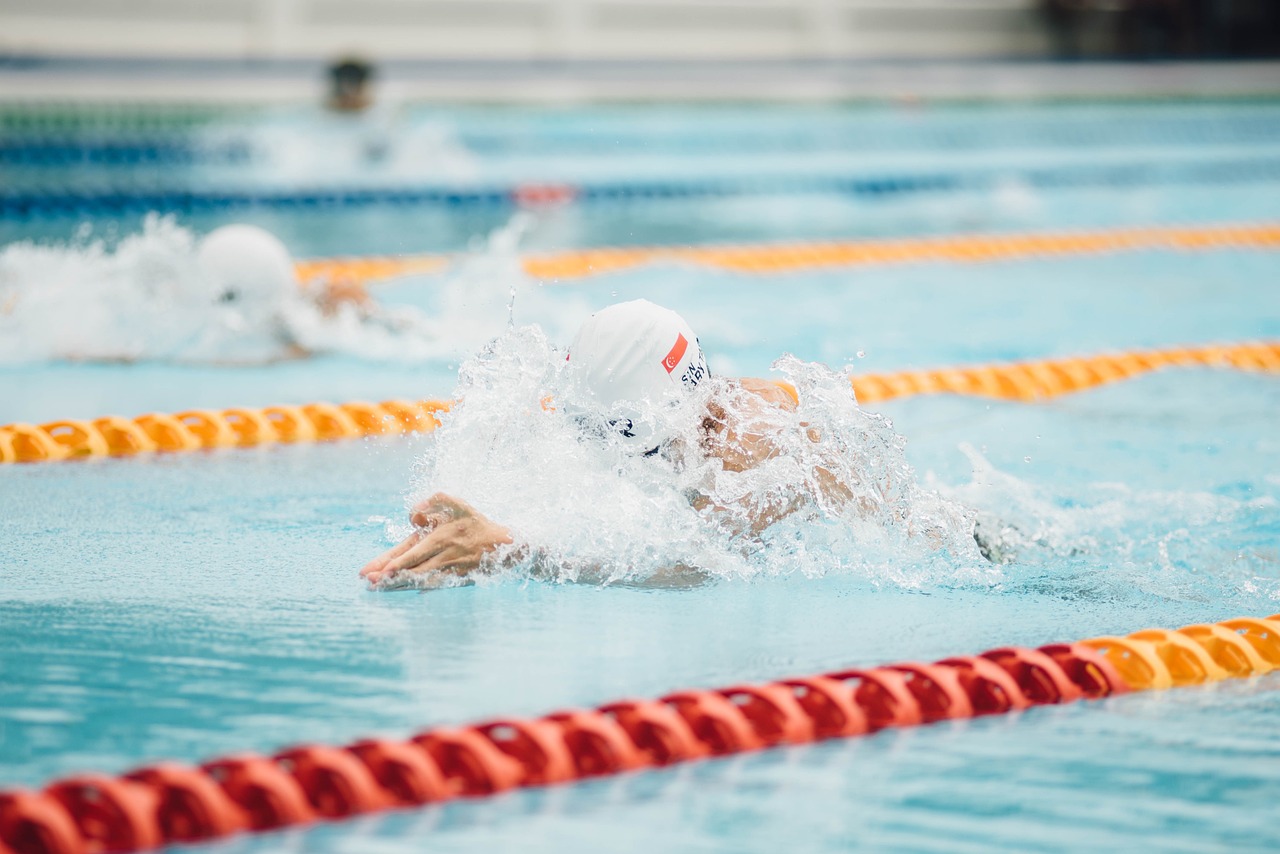

Choosing the Best Swimming Pool Design for Competitive Training
Selecting an appropriate swimming pool design for competitive training is essential for athletes aiming to excel. Each design serves specific purposes and requirements, influencing performance significantly. Understanding these aspects can aid coaches and swimmers in making informed decisions that enhance training. Factors such as pool dimensions, water depth, and lane width are crucial elements that must be considered. For instance, an Olympic-size swimming pool is 50 meters in length, providing ample space for sprint training and distance swimming sessions. Furthermore, the ambiance of the training environment can impact athletes’ mental state. Designing a pool area that maintains focus, reduces distractions, and fosters motivation is equally significant. Opting for a layout that includes ample lighting and clear lane demarcation contributes to safety and efficiency. Also, features like starting blocks and integrated timing systems are indispensable in a competitive pool. Familiarity with these structures is vital for swimmers as they prepare for meets. All these aspects combined help create an optimal environment for training. In conclusion, thoughtful designs cater to athletic needs while promoting a productive environment.
One major consideration in competitive training pool design is the emphasis on water quality and temperature. These factors can influence swimmer comfort and performance, making them critical elements to address. The ideal pool should maintain a consistent water temperature between 78°F and 82°F to best facilitate training without discomfort. Additionally, optimal water quality must be achieved through regular filtration and chemical balance to ensure a safe swimming environment. Swimmers require distilled and clean water to prevent skin irritations and respiratory problems often associated with pool chemicals. For water filtration systems, an effective pool should utilize advanced systems such as UV sterilization or ozone treatment to uphold high-quality standards. This directly affects swimmers’ ability to train intensively for long durations. Also, ensuring proper ventilation reduces humidity levels in the pool area, further enhancing the comfort of athletes during practice. An adequately designed competitive training pool not only meets these essential requirements but also fosters a conducive environment for achieving peak performance. Remember, both safety and comfort are paramount when aiming for excellence in competitive swimming.
Incorporating Advanced Technology
In today’s competitive swimming landscape, incorporating advanced technology into pool design can significantly enhance training efficiency and performance tracking. Innovations such as smart pool systems and underwater cameras allow for real-time feedback, making training vastly more effective. With the integration of swim timing systems and lap counting technologies, coaches and swimmers can analyze performance metrics accurately. Moreover, swimmers can use wearable technology such as swim watches and heart rate monitors to track their improvements regarding fitness levels and stroke efficiency. These tools offer invaluable insights that help tailor training regimens to individual athlete needs. Additionally, digital platforms provide swimmers with virtual coaching options, when applicable, giving them expert guidance even outside training. To keep athletes motivated, competitive training pools can integrate gamification strategies, allowing software applications to create engaging challenges. By merging cutting-edge technology with pool design, trainers can better prepare swimmers for competitive events by fine-tuning their strengths and weaknesses effectively. The future of competitive swimming relies heavily on the dual ability to innovate wisely and embrace modern technologies to elevate athlete performance.
Another important aspect in designing swimming pools for competitive training is the concept of accessibility. Pools must be designed to cater to athletes of all abilities, ensuring inclusivity during training sessions. Installing features such as ramps, accessible changing facilities, and adaptive equipment can significantly enhance the overall experience for swimmers with disabilities. The presence of trained staff who specialize in adaptive swimming techniques ensures that all athletes receive the encouragement and support required. Furthermore, proper signage featuring braille ensures all athletes can navigate the pool area with ease. It’s not only important for the physical setup but also for the psychological aspect of swimming training. Creating an environment where all athletes feel welcomed and geared towards improvement can foster a rich training culture. Inclusivity also encourages diversity, inspiring younger generations to engage in the sport and consider careers in swimming. Overall, accessibility is not just an aspect of pool design; let it be a core principle that defines competitive training. Each swimmer, regardless of ability, deserves a chance to hone their skills and achieve greatness.
Designing for Safety and Efficiency
Safety should be paramount when designing swimming pools for competitive training, necessitating strict adherence to safety guidelines and regulations. An effective pool design incorporates features that mitigate hazards, ensuring athlete well-being during training. Additionally, lifeguard stations should be strategically placed around the pool, allowing for timely intervention when needed. Installation of slip-resistant surfaces around the pool edges is another crucial steps that minimizes accidents and injuries. Proper drainage systems must also be integrated into the pool design to prevent water accumulation. Efficient management of debris and contaminants is vital for swimmer safety. Moreover, emergency equipment such as first-aid stations and life-saving floats should be readily available at all times. Ensuring clear access routes for emergency services is equally necessary in case of incidents that require immediate medical attention. Furthermore, regular safety drills familiarize swimmers and coaches with emergency response protocols, enhancing preparedness significantly. Therefore, thoughtful pool designs optimize both safety and training efficiency, contributing to an overall positive learning atmosphere where athletes can excel without concerns.
Lastly, aesthetic elements of pool designs can greatly influence swimmers’ emotional state while training. Creating an inviting, visually appealing atmosphere can enhance motivation and overall training experience. Implementing attractive features such as natural lighting, appealing landscaping, and vibrant colors can uplift athletes, making workouts more enjoyable, that in turn fosters concentration and commitment. The design aspect should also incorporate artistic elements that mirror local culture or promote team spirit. Motivation can also be enhanced with inspirational messages or artwork displayed around the pool area. An engaging atmosphere helps athletes mentally disconnect from the challenges of rigorous training sessions, allowing them to focus on their progression instead of fatigue. Moreover, integrating community artwork or themes in the design builds a sense of belonging and pride, encouraging local enthusiasts to support their teams. Thus, aesthetics are not merely decorative; they are an essential component in cultivating a thriving swimming training culture. Ultimately, fostering motivation through appealing designs empowers athletes to strive for excellence in their respective disciplines.
Conclusion: A Well-Rounded Approach to Pool Design
In conclusion, designing swimming pools for competitive training requires a comprehensive approach that combines functionality, safety, technology, and aesthetics. Addressing all these aspects ensures athletes can train effectively while also feeling motivated and safe. Selecting the right pool size, depth, and features directly impacts swimmer performance and comfort. Incorporating modern technology allows for adaptive coaching and real-time feedback, helping athletes make necessary adjustments. Accessibility should be prioritized to cater to athletes of varying abilities, fostering diversity within training programs. Additionally, safety remains a cornerstone of effective design, as hazard mitigation should never be overlooked. Pairing all these elements alongside aesthetically pleasing features creates an inviting environment for swimmers, amplifying their training experience. Therefore, architects, coaches, and swimming clubs must work together to create well-thought-out designs that cater to the detailed requirements of competitive swimming. By doing so, they ensure athletes are equipped with the necessary resources to hone their skills, boost their confidence, and excel during competitions, subsequently uplifting the whole sport and community.
With careful planning and a clear focus, the right swimming pool design can be achieved, supporting athletes in developing their skills and reaching their goals. Let’s work on creating spaces that are not just functional but are transformational for swimmer experiences. Implementing best practices in the design process will lead to success and allow for rewarding outcomes in competitive swimming. Coaches, athletes, and designers must combine their strengths and passion to create adaptive, successful environments that foster growth and achievement. Through collaboration, dedication to inclusivity, and an eye for stunning aesthetics, the pool can become a sanctuary for many determined swimmers. Subsequently, this collective effort will inspire a new generation of champions and promote a healthy lifestyle deeply rooted in competitive swimming. Therefore, with a vision for a better future in nature, swimming pools must serve as catalysts for promoting both athletic greats and community engagement, becoming havens that nurture and elevate every swimmer’s journey.