
Electric vs Traditional Bike Brands: What You Need to Know
When exploring bike options, understanding the differences between electric and traditional bike brands is essential. Traditional bikes, especially well-known brands, have a reputation for durability and customer support. Brands like Trek and Specialized have established a solid following because of their reliable performance and diverse ranges. Conversely, electric bike brands are relatively novel but growing rapidly in popularity. These brands often emphasize advancements in technology, making biking easier through power-assisted options. Popular e-bike makers such as Rad Power Bikes and Shimano are innovating to enhance rider experiences. Warranty and service options can vary significantly between brands, affecting customer satisfaction. Buyers should also consider the range of models available, comparing varying styles, from mountain to city hybrids, within both formats. Reviews on platforms like BikeReview.com offer valuable insights on performance and customer feedback. Additionally, the price points for electric bikes typically are higher due to the technology involved. Therefore, budget considerations will play a substantial role when deciding. Riders of all preferences—be it casual or enthusiast—can find choices catered to their specific needs, highlighting the diversity in today’s biking market.
Performance Considerations
Performance differences between electric and traditional bikes are significant and can impact your riding experience. Traditional bikes are lauded for their simplicity and lightweight design, making them easier to handle, especially for longer rides. Their reliability in various terrains offers excellent performance for seasoned riders and those seeking fitness. In contrast, electric bikes focus on assistance, which can dramatically reduce effort during uphill climbs or longer journeys. Brands like Bafang provide motors that enhance torque, enabling riders to tackle challenging routes effortlessly. While this assistance is often appreciated, it’s essential for riders to ensure the motor placement does not compromise handling. A well-distributed e-bike weight significantly affects stability. Furthermore, tire performance varies with both bike types. Traditional bikes generally offer slick tires aimed at speed, while electric bikes may come equipped with thicker tires for traction and stability. These differences can influence not just the ride comfort but also the types of terrains accessible for each. Riders are encouraged to test both styles, especially during vendor demos or local cycling events, to find which bike type aligns with their personal biking goals and enjoyment levels.
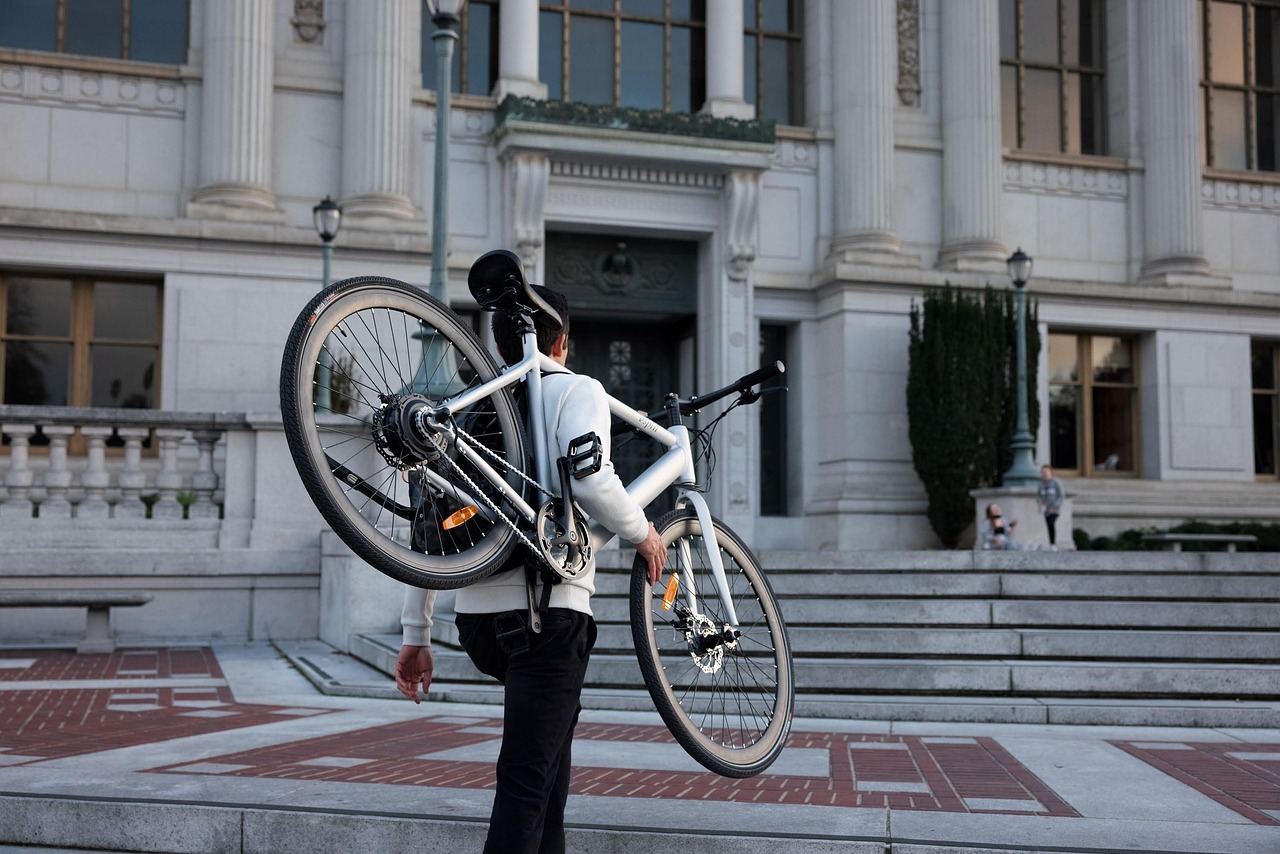
Another critical factor when comparing electric and traditional bike brands is battery life and charging aspects. For electric bikes, battery performance directly affects usability; hence, looking into various brands’ offerings is vital. Most e-bike brands provide reliable battery life, while others fall short. Consider brands like Bosch, known for their robust battery systems that can provide an impressive range. However, no two batteries are alike, and factors such as terrain, rider weight, and modes can impact longevity. On average, e-bikes will need charging after 20 to 70 miles depending on these conditions. Likewise, understanding charging times is essential. Some batteries can recharge within 4 to 6 hours, making them practical for daily use, while others may take longer. On the other hand, traditional bikes, while exempt from battery concerns, require maintenance like tire checks and chain lubrication to keep performing at their best. For busy commuters who may rely on public transport, e-bikes offer a significant advantage with their portability. Buyers should weigh these considerations to determine which bike type aligns best with their lifestyle and daily usage demands.
Cost and Value Analysis
In today’s market, cost plays a pivotal role in determining the best bike for your needs. Electric bikes generally have a higher purchasing cost compared to traditional bikes. While prices may vary significantly, expect a quality e-bike to start around $1,200, while dependable traditional models can start as low as $600 or less. However, potential buyers should not overlook long-term value; electric bikes often result in lowered transportation costs over time. Because these bikes provide power assistance, they reduce commuting times and lessen the need for additional public transportation fees. Additionally, traditional bikes require regular bike repair services, which can accumulate costs throughout the years. E-bike owners typically experience different maintenance approaches, as electric components may necessitate specialized technicians, potentially raising service fees. However, owning an e-bike can also lead to cost savings by reducing dependency on vehicles for local travels. Considering government rebates and incentives promoting electric bike usage can also lower the initial financial barrier. Value extends beyond initial pricing; understanding total ownership and the cost-effectiveness of your choice is crucial in making an informed decision.
Understanding the mechanics and repair aspects of bike brands is essential for long-term ownership satisfaction. Traditional bikes usually are easier for amateurs to repair due to universal components, which means replacement parts are readily available. Local bike shops often have abundant resources for maintaining traditional brands like Cannondale. Riders might find themselves frequently troubleshooting minor issues themselves, thus fostering a strong understanding of bike mechanics. Electric bikes, however, rely on complex systems that can challenge even experienced DIY enthusiasts. For example, battery replacement and motor issues often need professional attention. It becomes necessary for buyers to consider the availability of service centers for their chosen e-bike brand. Some established e-bike brands, such as Giant, offer extensive service networks, enhancing accessibility for customers needing repairs. Moreover, the learning curve associated with electric systems can deter intuitive troubleshooting. Prospective buyers should think about their willingness to engage with tech support, especially if they prefer hands-on involvement. Furthermore, researching brands for their repair policies and warranties can lead to confidence in mechanical support for unforeseen challenges.
Customer Reviews and Brand Reputation
Another highlight in the debate between electric and traditional bikes involves customer reviews and brand reputation. Established brands typically benefit from years of user feedback, fostering an image of reliability and quality. The sheer volume of testimonials for brands like Scott or Marin provides invaluable insight for prospective buyers when navigating available options. Customer reviews available on platforms like BikeWorld.com reveal real-life experiences that highlight specific performance issues or favored features. Electric bike brands are still building reputations and garnering user feedback. However, these burgeoning brands may offer innovative designs attractive to early adopters. Looking into reviews focusing on recent models allows buyers to gain awareness around potential issues or advantages. When deciding, consider reviews focusing on reliability—essential for anyone purchasing a new bike. Evaluate the criteria reviewers use: comfort, customer service, and build quality, among others. Therefore, researching brand reputation can guide consumers toward a bike that delivers satisfaction and value over time, regardless of whether they choose electric or traditional models.
In summary, choosing between electric and traditional bike brands entails substantial consideration across various factors. Your intended usage, performance requirements, budget, and maintenance capabilities play crucial roles in determining the perfect fit. Electric bikes deliver a modern, effortless ride that can redefine commuting and recreational biking. Their technological features enhance the biking experience, while traditional bikes continue to serve as reliable, familiar options. Understanding key differences like weight, ride comfort, and maintenance needs permits well-informed purchasing decisions. Testing multiple brands allows riders to feel the physical differences firsthand, which can significantly impact your enjoyment and utility. Additionally, review comparisons can spark critical insights into brand strengths. Brands like Trek and Specialized stand strong for traditional models, while Rad Power Bikes showcases the electric bike potential. Keeping these considerations in mind can lead to a choice that aligns with your preferences and biking aspirations. Ultimately, whether embracing the electric revolution or sticking to classic designs, embracing biking as a mode of transportation or leisure can enrich life experiences. Remember, both types offer diverse benefits that can improve overall well-being and commuting efficiency.
Investing in either a traditional or electric bike can cater diversely to your specific needs and preferences. Assessing your goals—whether commuting, exercise, or leisure—shapes this decision significantly. Traditional bikes not only serve performance but provide an engaging workout experience, ideal for fitness enthusiasts aiming for cardiovascular benefits. In contrast, those requiring convenience and efficiency in their commutes can benefit from the features that electric bikes provide. Brands like Haibike emphasize style and tech, attracting riders keen on modern advantages. Ultimately, the essence of choosing a bike aligns closely with your lifestyle, continually emphasizing the importance of personal evaluations in this decision-making process.