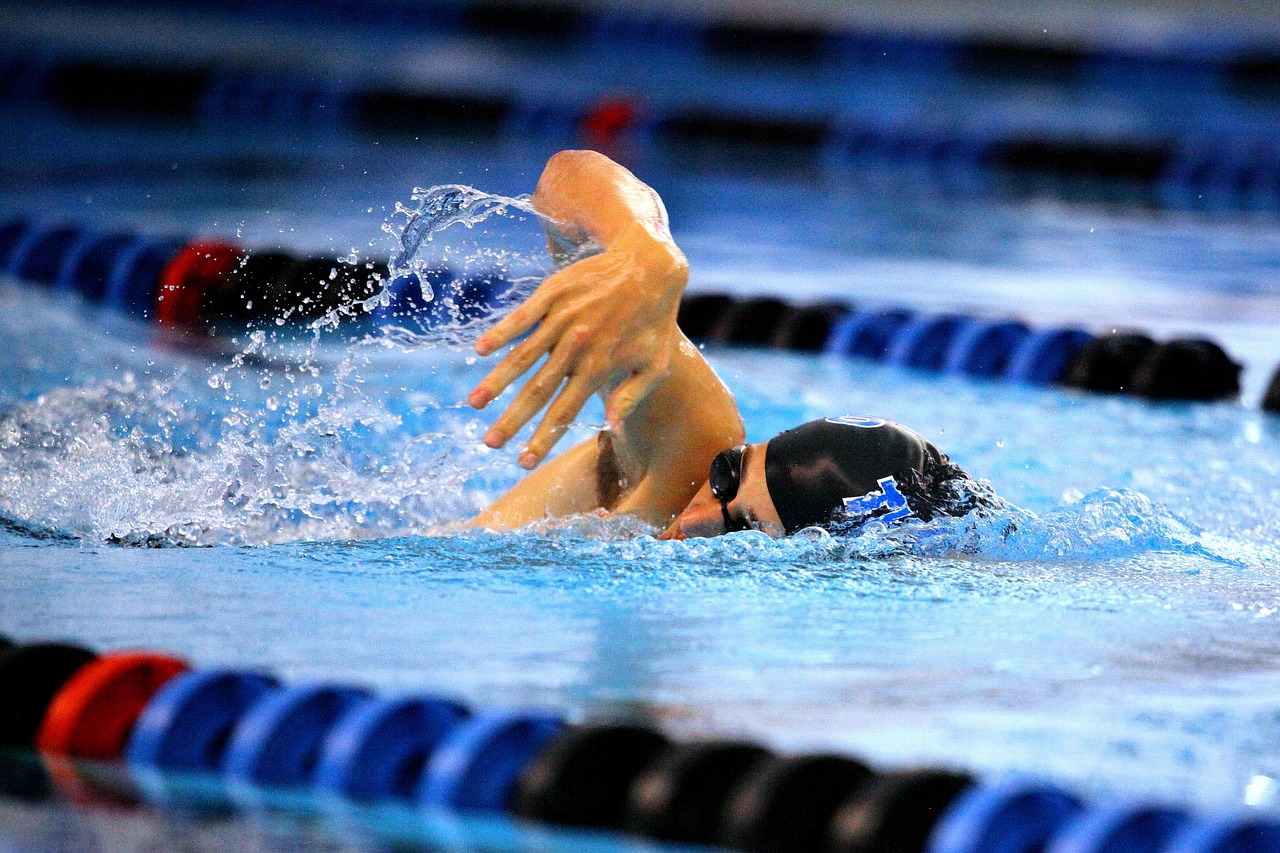

Freestyle Stroke Analysis: Video Techniques for Self-Improvement
The freestyle stroke is one of the most popular swimming styles, known for its speed and efficiency. Analyzing your technique can lead to significant improvements in performance. Video analysis is an essential tool that can help swimmers of all levels identify strengths and weaknesses in their stroke. By recording yourself while swimming, you can visually assess your body position, arm movement, and breathing technique. This analysis allows for a detailed review of each stroke cycle, providing opportunities for focused improvement. Swimmers should pay close attention to their alignment and ensure they are streamlined in the water. Observing your kick can also reveal insights into your propulsion technique. Besides traditional analysis, apps and software can enhance the review process, allowing frame-by-frame examination. Comparing your stroke to elite swimmers can provide benchmarks for technique. Remember, it’s crucial to isolate each aspect of your stroke to understand where changes can mean improvements. Engage a coach to help interpret your videos, ensuring your self-assessment becomes focused practice.
Correcting your technique can significantly impact your overall speed and endurance in the freestyle stroke. Focus on your arm strokes, ensuring they enter the water at the ideal angle. An essential factor is how you recover your arm above the water; keep it relaxed and smooth to prevent drag. It’s beneficial to execute a high elbow position throughout the pull phase, as this maximizes the surface area of your arm’s pull for propulsion. Your kick should be steady and propulsive; poor kicking can lead to a lack of body balance and increased resistance. Foot positioning while kicking is also important; toes should point rather than be floppy. The breathing technique can affect your speed; practice bilateral breathing to maintain a balanced stroke and facilitate better rotation. Maintaining a consistent kick while you breathe is essential. Use video to analyze how your breathing impacts your stroke; too long without a breath may slow you down. Practicing drills focused on a singular skill can lead to remarkable improvements when re-integrated into the complete stroke.
Analyzing Hand Entry and Exit
Every successful freestyle swimmer knows the significance of proper hand entry and exit. Analyzing these phases of your stroke can result in immediate improvements. The hand should enter the water in line with the shoulder, but many swimmers fail by entering too wide, which creates unnecessary drag. Your fingers should enter the water first, with the wrist slightly bent, allowing for effective penetration into the water without disturbing the surface too much. Maintain a neutral wrist position throughout; a poor wrist can lead to decreased power during the pull phase. Once the hand is submerged, a high elbow catch should be prioritized. This positioning will maximize the leverage during the pull. As the hand exits the water, ensure it is at the hip, exiting with minimal splashing. The technique relies heavily on maintaining core stability, which allows for a complete rotation of the hips. Viewing video footage allows for an in-depth analysis of entry and exit angles. A coach’s guidance can solidify these corrections, helping to refine your technique and enhance your overall performance.
Breathing technique is a vital element of the freestyle stroke that also warrants thorough analysis. Swimmers often overlook its importance, resulting in decreased speed due to inefficient mechanics. When observing your video, check that your head position stays low during breathing; this minimizes disruption to your body alignment. A common mistake is over-rotating the head or lifting it too high, leading to increased drag. Instead, consider breathing on both sides to promote symmetry and balance in your stroke. Practice drills that focus solely on breathing can enhance your muscle memory and increase your comfort in the water. During breathing, aim to keep your arm in the streamlined position as much as possible—the arm recovery phase can often interrupt the flow. Video analysis can also highlight when to inhale and exhale, ensuring that you’re timing your breath with the stroke as efficiently as possible. Implementing structured breathing practices into your training allows you to refine this skill. Over time, these adjustments accumulate, contributing to significant improvements in speed and efficiency when performing the freestyle stroke.
Body Position and Rotation
The importance of body position and rotation in freestyle swimming cannot be understated. A well-aligned body reduces resistance and enhances propulsion, making it crucial to analyze through video. Ideally, a swimmer should aim for a straight line from head to feet, maintaining a neutral spine without excessive arching or drooping. A streamlined body helps in sustaining speed. During the stroke, the swimmer must rotate the hips and shoulders effectively, allowing for a more powerful pull from the arms. When analyzing video footage, pay attention to the degree of rotation; excessive rotation can lead to instability and unnecessary drag. To develop a proper rotation, focus on engaging your core muscles; a strong core promotes smooth transitions between strokes. Incorporating core stability exercises into your training routine can be beneficial. Use drills that encourage rotation while swimming, such as the catch-up drill, which isolates the arm movements for better practice. By consistently assessing your body position and rotation through video, you are more likely to develop an effective, fluid freestyle stroke, leading to improved performance and less effort.
Kicking plays a critical role in enhancing your freestyle stroke, representing an integral part of your overall swimming technique. It is essential to analyze your kicking mechanics via video to ensure you achieve the ideal technique that aids your stroke. Kicking incorrectly can negatively affect body position, leading to too much drag or insufficient propulsion. The kick should originate from the hips rather than the knees, employing long, steady motions that keep the feet just below the water’s surface. Fast, choppy kicks can cause a disruption in the forward momentum, while straightened legs promote a streamlined effect. When reviewing video footage, notice the length and rhythm of your kicks; consistent tempo is vital for maintaining speed over time. Experiment with different kick patterns to find what works best for your stroke. Incorporate kicking drills into your routine, utilizing a kickboard or fins to develop strength and confidence. Apart from improving the kick itself, video analysis can highlight how it interacts with your arm strokes, ensuring that both work together seamlessly to achieve maximum efficiency.
Implementing Feedback and Setting Goals
After intensive video analysis, it is crucial to implement constructive feedback into your training. Establishing specific goals grounded in the evidence from your footage will streamline your practice sessions for success. Start by prioritizing one aspect of your stroke that requires immediate focus; if hand entry is the issue, work exclusively on that until improvement is visible. Setting measurable and achievable goals can help track progress clearly. For instance, improving hand entry angle or breathing rhythm can be specific, actionable objectives. Regularly revisit your video footage to evaluate your growth over time. Make a habit of filming your swims; consistent analysis fosters a continuous improvement mindset. Moreover, consider sharing your video insights with a coach or experienced swimmers who can provide additional perspectives and adjustments. Mutual feedback creates a supportive learning environment and opens pathways for collaboration. As you track your goals, celebrate milestones reached. Whether it’s a specific time improvement or enhanced technique, acknowledging your achievements can be motivating. You’re more likely to remain committed to ongoing modifications while reaping the rewards of effective practice.
In conclusion, analyzing your freestyle stroke through video techniques is an invaluable resource for self-improvement. With specific focus areas like hand entry, body position, breathing, rotation, and kicking, each element contributes to the overall effectiveness of the stroke. Implementing feedback from video reviews encourages focused practice, allowing swimmers to enhance their performance significantly. As you integrate these techniques into your training regimen, remember to remain patient and persistent. Skill improvement is gradual, and establishing a routine that includes consistent video analysis will yield the best results over time. Visual learning is a powerful aid; seeing the difference between effective and ineffective actions will help clarify the improvements needed. Engaging in discussions with coaches and fellow swimmers can provide additional insights and support. Consider joining swimming forums or groups that focus on technique sharing. The journey of improving your freestyle stroke is not just about speed; it’s about enjoying the process as well. Harnessing the power of video as a self-feedback tool can revolutionize your swimming experience, transforming you into a more competent, confident, and efficient swimmer.