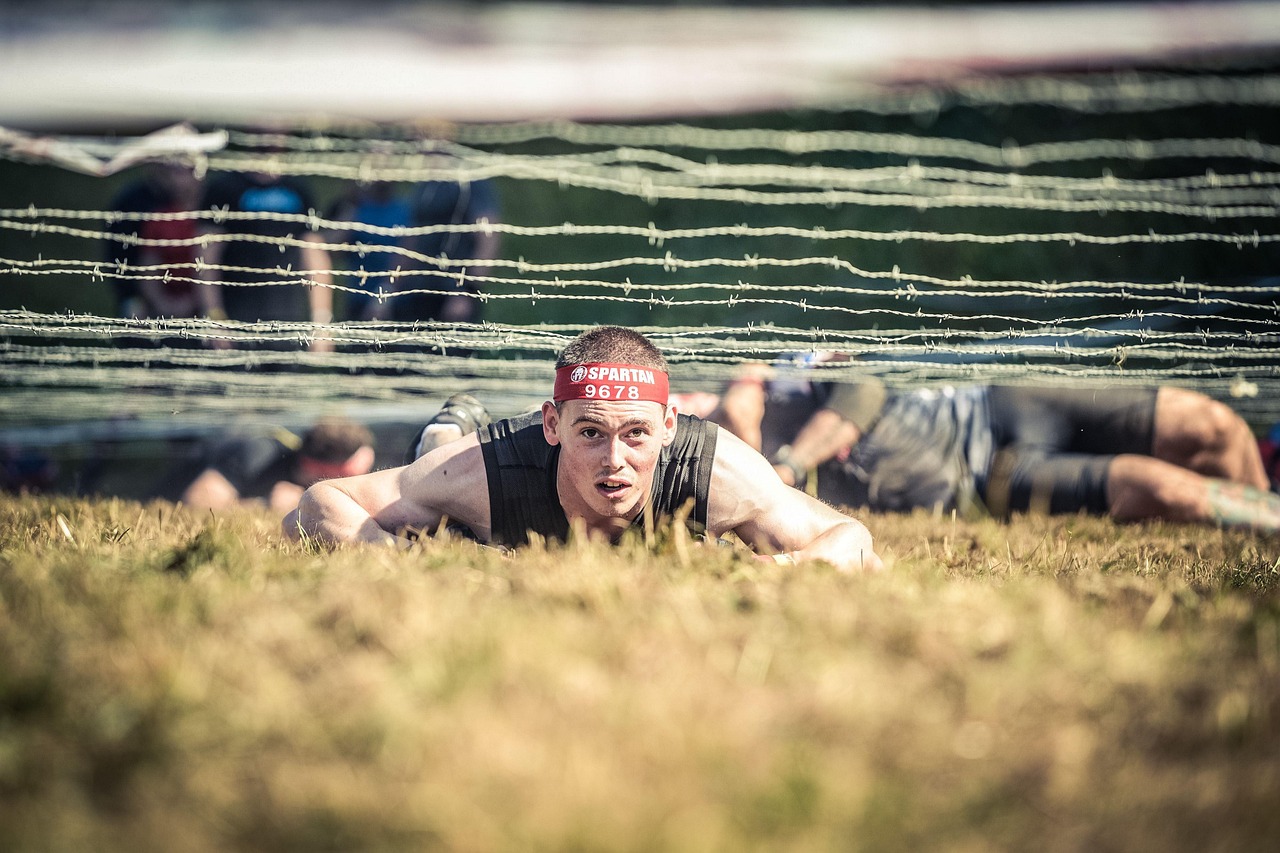

How to Improve Grip Strength for Tough Obstacles
Obstacle Course Racing (OCR) is an exhilarating sport that tests physical prowess and mental toughness, demanding exceptional grip strength for success. Grip strength plays a crucial role in navigating challenging obstacles like monkey bars and rope climbs effectively. To improve grip strength, one essential method is integrating specific exercises into your training routine. Exercises can include dead hangs, farmer’s walks, and various other grip-specific workouts. These exercises not only strengthen the muscles in your hands but also improve your forearm endurance and overall upper body stability, indispensable during an OCR. You should consider performing dead hangs on a pull-up bar for at least 30 seconds, gradually increasing the duration as you grow stronger. Farmer’s walks can be effectively executed using dumbbells or kettlebells, where you perform a series of challenging walks while holding heavy weights. Additionally, incorporating grip-specific training tools such as hand grippers or towel grips can enhance your grip strength rapidly. Ensure you include rest days in your training schedule, allowing adequate recovery for muscle growth and development, vital for your OCR performance.
Consistency in training is key to enhance grip strength effectively. This journey requires patience and dedication. Increasing the training volume gradually helps in avoiding injuries while keeping your progress steady. Working with a coach can be invaluable, providing tailored programs designed to target your grip specifically. Participating in OCR-themed workouts with fellow athletes can offer motivation and camaraderie. Implementing a variety of exercise modalities can prevent overuse injuries, ensuring comprehensive muscle development. Adding an element of competition among training partners encourages pushing limits and cultivating a stronger grip. To further aid your progress, considering nutritional aspects is vital for muscle recovery and growth. Consuming adequate protein from sources such as lean meats, legumes, and dairy can support muscle repair. Additionally, focusing on hydration is essential for optimal performance. Maintaining proper water levels ensures that muscles function correctly, minimizing fatigue during long training sessions. Stretching before and after workouts can also increase flexibility and reduce injury risks. Each stage of improvement in grip strength ties back into your overall performance during obstacle racing events.
The Role of Nutrition and Recovery
Nutrition significantly impacts the results of your grip strength training. Consuming a well-balanced diet that prioritizes protein alongside sufficient carbohydrates will fuel your workouts, leading to improved strength gains. Including protein-rich snacks such as Greek yogurt, nuts, and hard-boiled eggs post-workout can enhance recovery and muscle synthesis. Furthermore, maintaining a healthy level of fats, particularly omega-3 fatty acids from sources like fish and flaxseeds, can reduce inflammation and support overall muscle health. Focus on eating various colorful fruits and vegetables to gain essential vitamins and minerals that play a role in muscle function and recovery. Ensure you’re not neglecting other macronutrients, as carbohydrates provide the energy needed for intense training sessions. Additionally, utilizing supplements, if necessary, under professional guidance can further contribute to nutritional gaps. Listening to your body is crucial during training; fatigue and minor aches can indicate a need for additional rest. Implementing active recovery days can keep you engaged while allowing muscle repair, making it a crucial component of your overall training regimen for obstacle course racing.
Grip strength training should not be monotonic; varying your workouts will not only enhance your grip but keep you mentally engaged. Incorporate climbing sessions, whether outdoors on rocks or on climbing walls, to challenge your grip dynamically. Rope climbing not only tests grip strength but also aids in building upper body and core stability, essential for OCR. From dynamic drills to static holds, varying your grip training routine prevents stagnation and burnout. Consider training with different types of grips; experimenting with wide, narrow, and mixed grips can work different muscle groups and enhance overall strength. Introducing agility ladders and balance exercises can improve proprioception and hand-eye coordination, indispensable for navigating obstacles smoothly. Always warm up properly before diving into intense grip work, as a proper warm-up prepares the muscles and reduces the risk of strain. Cool down with comprehensive stretching focusing on the hands, forearms, and shoulders post-training. Putting these variations into practice will not only enhance grip strength but also overall performance, allowing you to tackle various obstacles with confidence during your races.
Incorporating Grip Strength into Your OCR Training
Integrating grip strength exercises into your overall OCR training program should occur gradually, ensuring optimal gains without risking injury. Begin by establishing a baseline of your current grip strength abilities through assessments such as timed hangs or maximum weight you can carry in farmer’s walks. Schedule grip-specific exercises at least twice a week, allowing adequate recovery time between sessions for muscle healing and growth. Combining these sessions with your standard workout regimen will yield maximum results; consider pairing grip work with upper body or lower body days. This approach permits muscle groups to alternate their focus, reducing fatigue and promoting overall strength gain. Utilizing a systematic progression plan will ensure you continually challenge yourself, observing improvements as you go. Remember to maintain a comprehensive balance in your training; focusing solely on grip could neglect other necessary skills for OCR such as cardiovascular endurance and agility. Emphasizing the interconnectedness of these components will elevate your performance on race day, allowing you to tackle all obstacles successfully while displaying incredible grip strength.
Besides traditional strength exercises, you should explore functional fitness approaches, which can also enhance your grip strength for OCR. Such training involves mimicking movements encountered during the course. For example, practicing carrying heavy and awkwardly shaped objects can condition both your grip and mental fortitude. Training through various terrain and surfaces can build grip endurance in unpredictable conditions. Utilizing unconventional training methods, like logs or stones, introduces variability that resembles actual obstacles faced during races. Engaging in interval training alongside grip strength exercises immerses you fully in the holistic nature of OCR workouts. Assess your training regularly to adapt your strategies according to your developing strengths and weaknesses. Peer feedback can also be invaluable, as others may spot areas you could improve. Tracking your progress through journals can solidify your commitment while fostering self-reflective practice. As race day approaches, tapering your grip strength exercises alongside your overall training declines in intensity, allowing peak performance levels to arise during the event. This well-rounded approach can effectively prepare you for tough obstacles by solidifying that elusive grip strength you seek.
Conclusion
In conclusion, grip strength plays an indispensable role in being successful in obstacle course racing. By harnessing the methods discussed and implementing various strategies, you will enhance your grip strength substantially. From tailored workout regimens to holistic nutritional practices, each component contributes to the overall development of strength, endurance, and preparation necessary for OCR. Focusing on progressive overload and varied training modalities will keep your muscles engaged. Coupled with proper recovery protocols and a nutritious diet, these practices ensure that you combat obstacles while maintaining an efficient grip. Understanding each aspect of your grip strength training journey will foster resilience and confidence as you approach challenging courses. Remember that consistency and adaptability stand out during training sessions and competitions alike; embrace feedback from other racers to continuously improve. Ultimately, committing to a complete and balanced training routine will propel you toward conquering your OCR journeys. Utilize your growing grip strength not just to tackle primary obstacles but also as an advantage that showcases your strength and resilience during every challenge presented in your racing experience.