
Implementing Biomechanics in Virtual Reality Fitness Training
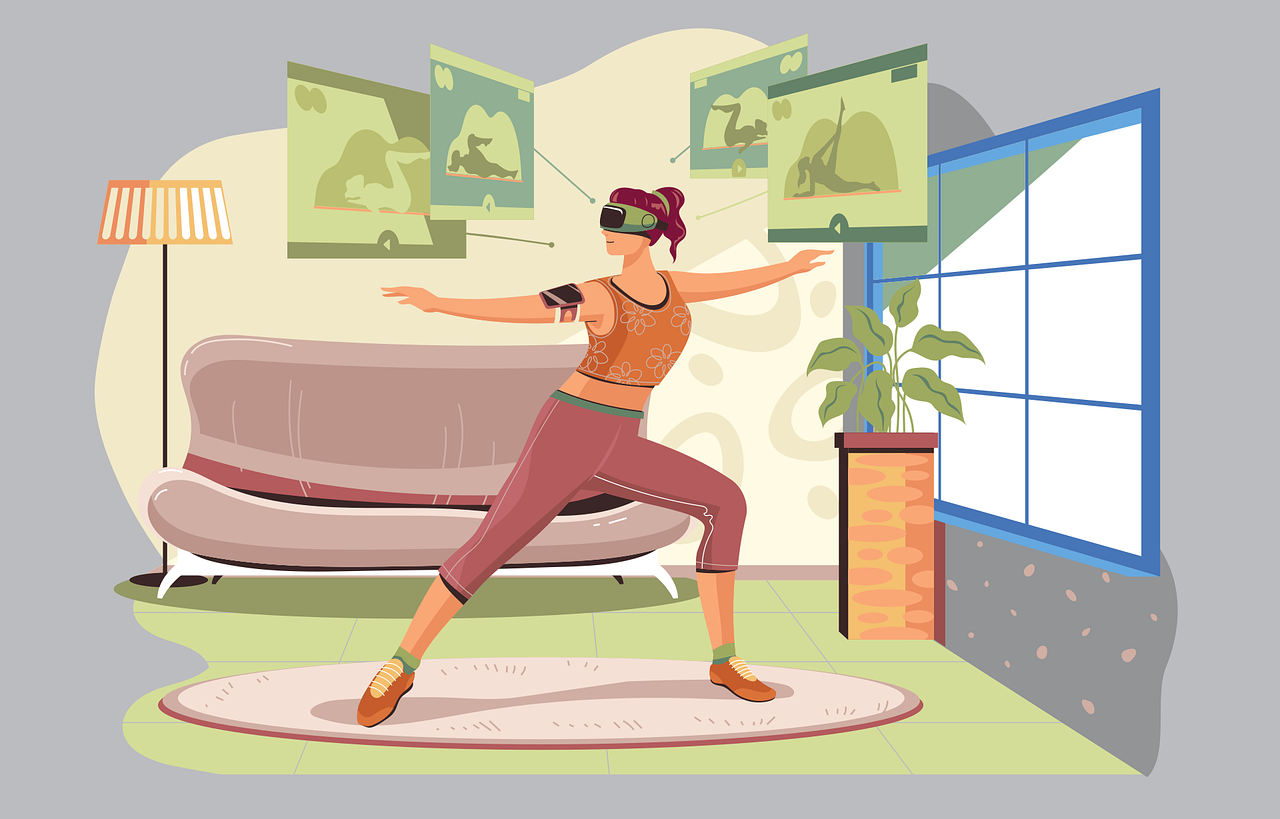
Incorporating biomechanics into virtual reality (VR) fitness training offers a revolutionary approach to enhancing physical performance. Biomechanics focuses on understanding the mechanics of body movements, which can be improved through real-time feedback mechanisms inherent in VR. Utilizing specialized software, trainers can monitor users’ movements, identify areas requiring improvement, and provide targeted recommendations. This feedback loop can help athletes and fitness enthusiasts correct their posture, optimize their movements, and ultimately enhance their workout efficiency. Furthermore, the immersive nature of VR can lead to heightened motivation, providing a more enjoyable experience than traditional fitness methods. The implementation of motion capture technology allows users to visualize their movements, making it easier to understand the adjustments needed for a more effective workout session. Users can engage in various exercises, from strength training to flexibility routines, all while receiving biomechanics-based cues for enhancement. Overall, this innovative method supports a comprehensive understanding of biomechanics principles in fitness training, integrating cutting-edge technology to improve both physical outcomes and training engagement. Enhanced education on biomechanics should be prioritized for fitness trainers, ensuring they can effectively utilize this technology in fitness programs.
The Role of VR in Biomechanics Education
As technology advances, integrating VR into biomechanics education transforms how students learn. Traditional teaching methods often struggle to provide immersive experiences; however, VR effectively bridges this gap by simulating real-life scenarios. Through virtual environments, students can explore and analyze human movements without constraints present in real-world laboratories. This approach allows for in-depth studies of motion dynamics, impact forces, and bodily mechanics in a controlled setting. Instructors can create various scenarios that challenge students to apply biomechanical principles, such as analyzing athlete performances or rehabilitation progress. Additionally, VR enhances retention rates by turning complex concepts into engaging visual experiences. Students can view muscle and joint interactions dynamically, supporting the learning process through real-time adjustments. Collaborative virtual sessions offer opportunities for peer review and critiques, enhancing practical understanding. By using VR tools in biomechanics courses, educators can prepare future trainers and therapists to approach fitness with a scientifically robust foundation. Thus, transforming biomechanics education with VR not only benefits students but also helps raise the standard of the fitness industry overall. Enhanced knowledge leads to better client outcomes and more informed training methods for fitness professionals.
The application of biomechanics in virtual environments expands training possibilities for rehabilitation professionals. Individuals recovering from injuries or surgeries can benefit from the in-depth analysis afforded by VR technologies. By isolating specific movements and monitoring progress, therapists can facilitate personalized rehabilitation programs tailored to each patient’s recovery needs. VR allows for safe environments where patients can practice movements that they might find challenging; thus, enhancing their confidence and providing motivation to meet recovery goals. Furthermore, incorporating gamification elements encourages participation and improves adherence to rehabilitation protocols. When patients engage in enjoyable activities that utilize biomechanical principles in VR, they are more likely to commit to their rehabilitation journey. The tracking capabilities within VR systems also allow for precise assessments of range of motion and strength progress, allowing therapists to adjust programs as needed dynamically. This continuous feedback mechanism fosters better communication between professionals and patients, ensuring everyone remains aligned in achieving optimal recovery outcomes. Overall, the integration of biomechanics into VR rehabilitation paves the way for innovative recovery solutions that promote efficiency, enhance patient experience, and encourage adherence to prescribed therapy.
Virtual reality fitness training institutions can greatly benefit from ongoing research in biomechanics. By collaborating with universities and research organizations, these institutions can stay at the forefront of the latest developments in motion science. Understanding biomechanics enables trainers to adjust training programs to minimize injury risk while maximizing performance. Studies focusing on specific athletic populations, such as runners or weight lifters, can provide insights into their unique biomechanical challenges, equipping VR trainers with crucial knowledge for tailoring fitness solutions. Additionally, exploring how different environments within VR impact biomechanics can lead to optimized training protocols. For instance, varied terrain simulations can teach users how body mechanics adapt to obstacles, providing a complete workout experience. Continuous education sessions and workshops led by biomechanical experts could empower trainers to refine their techniques and learn new tactics for integrating biomechanics effectively. Such investment in research keeps fitness organizations competitive and ensures they deliver well-informed services to clients. As VR technology continues to evolve, a commitment to biomechanical insights will profoundly shape future training methodologies and enhance user experiences in virtual fitness contexts.
Enhancing Engagement through Biomechanical Feedback
Engagement is critical in fitness training, influencing motivation and adherence to workout routines. VR systems equipped with biomechanical feedback deliver personalized insights, allowing participants to understand their strengths and weaknesses. The ability to receive real-time feedback while exercising enhances users’ understanding of their body mechanics, encouraging them to correct their form immediately. When using VR fitness programs, users can visualize their biomechanics through motion tracking, understanding the benefits of improved alignment. For example, if a user consistently demonstrates poor squat form, the system can provide corrective cues to adjust posture. This individualized experience keeps participants engaged by fostering a sense of progress. Gamified challenges further enhance this engagement, allowing individuals to compete against themselves or others while improving their biomechanics. Together, these elements create a dynamic fitness environment that encourages participants to strive for their personal best. Moreover, having clear progress metrics driven by biomechanical data reinforces motivation, leading to increased workout frequency and enjoyment. Therefore, the combination of VR technology and biomechanical analysis is instrumental in creating engaging training experiences suitable for diverse fitness levels, promoting a desire for continuous improvement and personal development.
Evaluating the effectiveness of biomechanics in virtual reality fitness training requires comprehensive metrics. Quantitative data such as joint angles, range of motion, and force applied can provide invaluable insights into user performance dynamics. This data must be linked to specific training goals, enabling instructors to assess whether biomechanical principles yield measurable improvements. Combining qualitative feedback via user surveys further enriches this evaluation landscape by capturing insights into user experience and satisfaction levels. By monitoring both subjective and objective measures, fitness trainers can refine their programs to enhance efficiency and client retention. Regular evaluations also foster goal setting and progression tracking, motivating users to remain engaged. Additionally, employing analytics can reveal patterns in data over time, helping instructors identify optimum training strategies for various populations. Setting benchmarks based on biomechanical improvements can build user confidence and accountability, resulting in enhanced outcomes. Importantly, the relationship between client outcomes and biomechanical adjustments can strengthen feedback loops between trainers and participants. Implementing an effective evaluation framework thus becomes crucial for ensuring continuous improvement in virtual reality fitness training, maximizing both the user experience and program effectiveness.
In conclusion, the integration of biomechanics in virtual reality fitness training is a groundbreaking development. The synergy between technology and biomechanics offers unparalleled opportunities for athletes, fitness enthusiasts, and rehabilitation patients alike. VR creates an engaging atmosphere where individuals can learn and apply biomechanical principles, enhancing physical performance and recovery outcomes. With continuous research and development, fitness professionals can better understand biomechanics to inform their training methods, ensuring they provide clients with high-quality programs. Moreover, the ongoing evaluation of training effectiveness offers pathways for systematic improvements, pushing the boundaries of traditional fitness paradigms. As VR technology evolves, future applications are likely to become even more sophisticated, providing enhanced feedback mechanisms and analytics. The potential for gamification within VR fitness also amplifies user engagement, fostering a culture of enjoyment and commitment to health and fitness. Therefore, stakeholders in the fitness industry must prioritize biomechanics education and training, embracing innovations that pave the way for improved methodologies. Ultimately, this progress will redefine how society engages with fitness, ushering in a new era where biomechanics innovation becomes central to achieving health goals.