
Open Water Swimming Tips for Triathletes
Open water swimming presents unique challenges compared to pool swimming, making it vital for triathletes to adopt specific strategies to be successful. Familiarity with the open water environment is essential for confidence and safety. Start by practicing in your local lake, river, or ocean to understand the conditions, water temperature, and currents. It’s also key to practice sighting—learning to lift your head to navigate while swimming can keep you on course and minimize unnecessary distance. Wear a wetsuit, if permitted, as it provides warmth and buoyancy. Finally, pay attention to buoy placements and identifiable landmarks which help in navigation. Being mentally prepared for the possible discomfort of colder water temperatures and unpredictable waves can significantly enhance your performance. Remember, continuous practice in open water helps to build muscle memory and endurance, which are crucial for completing triathlons. Lastly, swim with a buddy or in groups whenever possible, as this will increase safety and provide additional motivation. Don’t forget to remain calm and focused as you transition from training to race day; this will enhance both your confidence and overall performance.
Mastering the Art of Sighting
Sighting is one of the most crucial skills a triathlete can develop for successful open water swimming. Sighting enables swimmers to maintain their course during a race, minimizing the distance swum. Practice the technique by lifting your head every few strokes to eyeball a buoy or landmark. This helps keep your focus on your swim path, ensuring that you maintain direction. It’s essential to find a balance between not overexerting yourself and ensuring you stay on track. Utilize breathing patterns to incorporate smoother sighting; for example, sight every five to six strokes. Experiment with different head positions to find one that optimizes your performance. Consider practicing this during your swim workouts to build muscle memory. Windy and wavy conditions can make sighting more challenging; practice under varying conditions whenever possible. Additionally, try swimming alongside other swimmers to mimic race scenarios where navigating around competitors is a reality. Getting accustomed to swimming in a crowd can help desensitize you to distractions. Finally, visualizing your race day can boost your mental preparation.
Adapting your stroke technique for open water swimming can greatly benefit your performance. Unlike pool swimming, the open water environment requires modifications to optimize your technique. Start by extending your stroke to ensure you’re covering more distance with each pull. This not only improves your efficiency but also helps you glide through the water more smoothly. Furthermore, maintain a steady but powerful kick to propel yourself forward, particularly when facing waves. Pay attention to your hand entry; entering the water with your fingers first can reduce drag. During your recovery, keep your elbows slightly above the water to maximize efficiency. Avoid excessive splashing and maintain a streamlined body position to conserve energy. Embrace a two-beat kick as this allows for better energy management over longer distances. Lastly, be conscientious of your breathing patterns, aiming for bilateral breathing to balance your stroke. As you become proficient with these adaptations, consider consulting a coach who can provide personalized feedback on your technique. Recording your open water swims can also prove to be invaluable for analyzing your form.
Open Water Swimming Gear
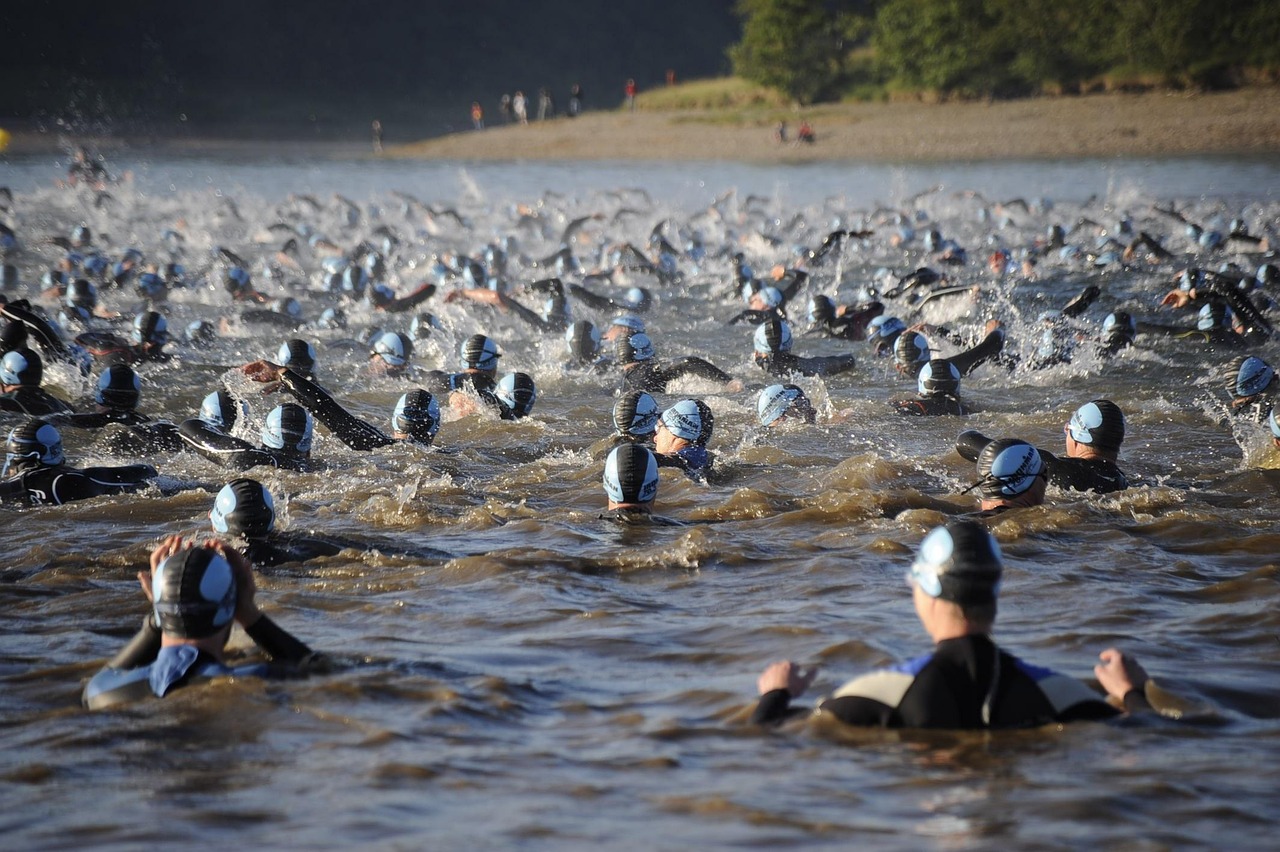
The right gear is paramount when it comes to succeeding in open water swimming. Select a wetsuit that fits your body snugly, as this can help keep you warm and buoyant during colder swims. Ensure it allows a full range of motion in your shoulders. Additionally, consider wearing a swim cap to help with visibility and warmth. Many triathletes opt for brightly colored caps, making them easier to spot in a crowd. Goggles are another essential piece; select a pair suitable for outdoor use, ensuring they provide a good peripheral vision and are tinted for sun exposure. Experiment with different styles and colors during your training to find a comfortable pair that suits your needs. Before race day, practice swimming in all your gear to ensure compatibility and comfort. During training sessions, familiarize yourself with putting on your wetsuit quickly and efficiently. Always check the forecast leading up to race day, as this can help tailor your gear to prevailing weather conditions. A well-prepared swimmer will feel more confident and relaxed during the race.
Your sighting strategy plays a vital role in effectively navigating the open water. Practice sighting techniques repeatedly to improve your comfort level during races. Focus on finding reliable landmarks that can aid your navigation. Choosing significant points on the shoreline or buoys will help guide you. If conditions become choppy or cloudy, remember to stay calm and stick to your established sighting routine. Test your sighting tactics during training to better adapt them in real race conditions. Avoid relying solely on other swimmers to navigate; their paths might differ unexpectedly from yours. In the event of crowded races, practicing sighting alongside others during training can prepare you for unexpected movements and positions. Additionally, exploring the swim course ahead of time if possible can assist greatly in mapping out your strategy. Breaking down the swim section into manageable segments can also help mentally prepare during the race. Concentrating on good form while maintaining your sighting strategy helps manage exertion levels over longer distances, ultimately leading to a strong performance.
Adjusting to Water Conditions
Every open water session can pose different challenges due to changing water conditions. Factors such as waves, currents, and temperature can greatly affect your swimming experience. Thus, adapting and training in various environments is critical for developing resilience and skill. Make a habit of swimming in diverse conditions; this could include rough waters, still lakes, or tidal regions. Understand how different temperatures can affect your performance; warm water can sap your energy quicker while cold water can induce fatigue. During practice, engage in both head-up swimming and traditional strokes to familiarize yourself with obstructed visibility. Practice integrating these conditions into your routine builds experience and confidence. Nutrition plays a significant role as well; ensure you hydrate properly as you may not notice dehydration like in a pool swim. Monitor your pacing; choppy waters might slow you down, meaning you should be prepared to adjust expectations accordingly for race day. A calm mindset is essential while dealing with unexpected challenges on race day. Remind yourself to respect the water and embrace each swim experience as an opportunity for growth.
Post-swim recovery is just as important as training for open water swimming. Recovery techniques differ in the open water environment, requiring a focus on hydration and nutrition after a swim. Follow up your swim with electrolyte-rich beverages to assist in replenishing energy levels. Consuming protein-rich snacks can also aid muscle recovery, preventing fatigue post-race. Take a moment to stretch and return your body to a resting state; this can significantly reduce soreness. It’s beneficial to log your swims and reflect on what tactics worked well, and what could improve next time. Consider partnering with a local triathlon club for access to group swims, discussions about open water experiences, and advice from seasoned triathletes. Understanding how to maintain a balanced diet pre- and post-race enhances overall swimming performance. Mental preparation is vital; employ visualization techniques to picture your perfect swim. Adopting a positive mindset, especially after tough training sessions, can build resilience. Knowing you’ve equipped yourself with ample knowledge will translate into greater success both in your training and on race days.