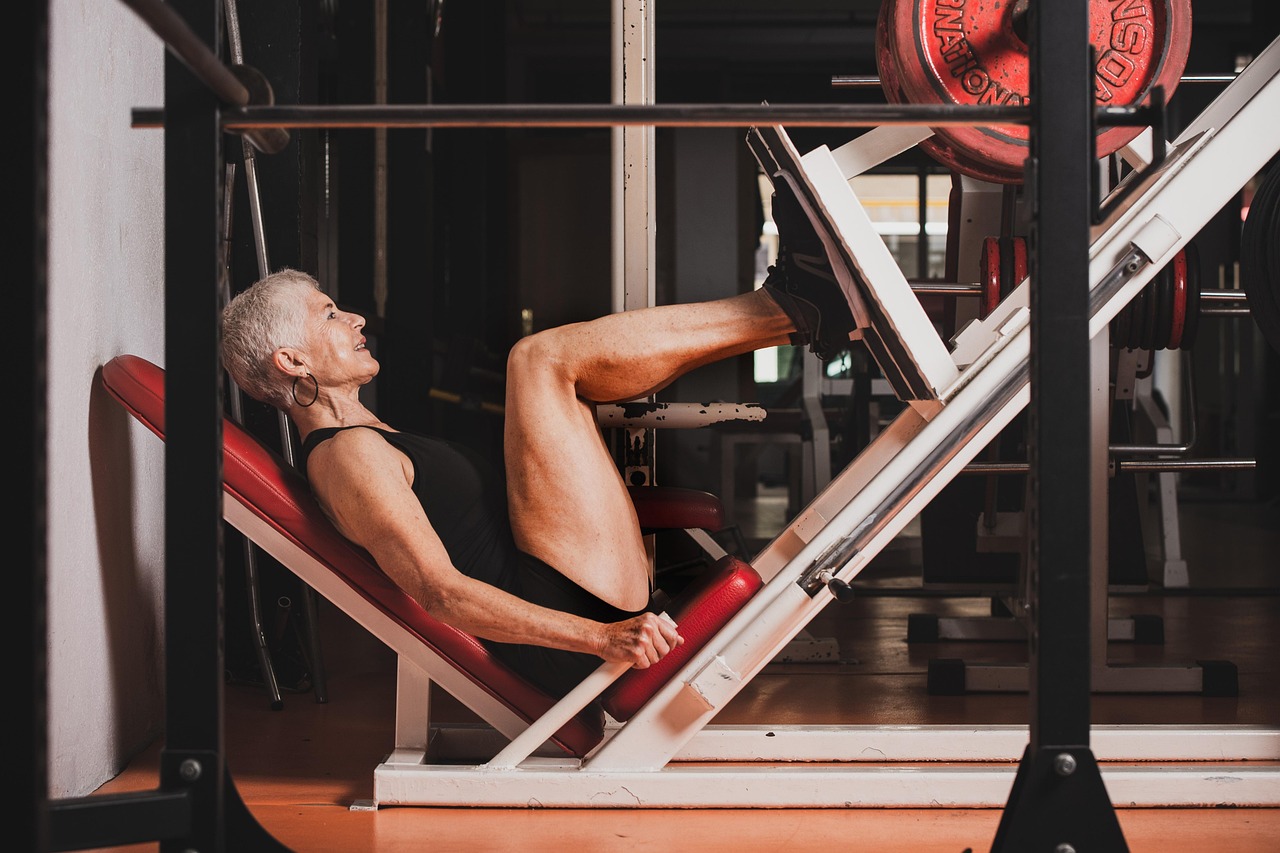

Senior-Friendly Bodyweight Strength Training Tips
Bodyweight strength training offers seniors a wonderful opportunity to enhance their overall fitness without straining their joints. This training method utilizes the individual’s own weight as resistance, making it accessible for a broader audience. Engaging in exercises that emphasize body control and strength can prevent falls and improve balance, crucial considerations for older adults. Additionally, bodyweight exercises can be performed at home without any special equipment, which eliminates barriers to fitness access. As seniors begin their fitness journey, it is vital to start slow and increase intensity gradually to avoid injuries. Incorporating movements targeting major muscle groups ensures that workouts are comprehensive. Consistent training not only enhances strength but also boosts confidence and promotes independence. Emphasizing flexibility and endurance along with strength can provide a more well-rounded approach to fitness. Always consult with a healthcare provider before starting a new exercise program, particularly when any pre-existing conditions exist. Creating a supportive environment with friends or family can enhance motivation and enjoyment during workouts. Exploring different bodyweight exercises can keep routines fresh and exciting.
One effective bodyweight exercise that seniors can perform is the wall sit. This exercise is excellent for building strength in the quadriceps and improving overall leg stability. To execute a wall sit, find a clear wall and stand with your back against it. Slowly slide down into a sitting position, keeping your knees aligned above your ankles. Hold this position for a set duration, starting with ten seconds and gradually increasing over time. Another beneficial exercise is the chair squat, which promotes functional strength. Seniors can stand in front of a sturdy chair, lowering into a squat until their thighs are parallel to the ground or until they touch the chair lightly. This helps build lower body strength, crucial for daily activities. Additionally, push-ups against a wall can enhance upper body strength. To perform, face the wall, place your hands on it, and lower your body toward the wall while keeping your feet grounded. Lastly, glute bridges can strengthen the posterior chain effectively. Lying on your back with knees bent, lift your hips, ensuring alignment with shoulders and knees. These exercises collectively foster strength and stability.
Incorporating Warm-Ups and Cool Downs
Before engaging in strength training workouts, seniors should incorporate warm-ups to prepare their bodies for exercise. Dynamic stretching and gentle movements such as arm circles, leg swings, or torso twists can enhance blood circulation and flexibility. These warm-ups help to avoid injuries by ensuring the muscles are adequately prepared for activity. Similarly, at the end of any exercise session, cooling down is vital to prevent stiffness and aid recovery. Cooling down can involve gentle stretches focusing on the muscles worked during the session, allowing them to return to their resting state gradually. Techniques such as deep breathing can also assist in relaxation, contributing to overall well-being. Playing soothing music during these times can foster a peaceful atmosphere, further enhancing the experience. Resting for about five to ten minutes before resuming daily activities can make a significant difference. Staying hydrated before, during, and after workouts can help to keep energy levels up. Consistency is key, and integrating warm-ups and cool downs into each training session promotes a positive attitude towards exercise and encourages longevity in fitness routines among seniors.
Another essential aspect of bodyweight strength training is maintaining proper form throughout exercises. Correct technique maximizes effectiveness while minimizing the risk of injuries. Seniors should focus on movements, paying attention to posture and alignment, ensuring their spine remains neutral during exercises such as squats or push-ups. It may be beneficial to perform exercises in front of a mirror, allowing individuals to monitor their form visually. Consulting fitness trainers who specialize in senior fitness can provide personalized tips and techniques, enhancing the training experience. Encouragement from professionals can instill confidence, making it easier for seniors to overcome challenges. Additionally, modifying exercises for comfort is acceptable; for instance, using a sturdy chair for support or performing partial range of motion can help seniors feel more secure. Listening to one’s body during workouts is crucial. If any discomfort arises, it may be wise to adjust the intensity or duration of the exercises. Establishing personal goals can help seniors stay motivated. With dedication and the right approach, improvements in strength and fitness can be achieved over time.
Nutrition and Bodyweight Training Synergy
Proper nutrition plays a fundamental role in supporting bodyweight strength training for seniors. Consuming a balanced diet rich in protein, fruits, vegetables, and whole grains can fuel the body effectively, enhancing performance during workouts. Protein is particularly vital for muscle repair and growth, so incorporating sources like beans, legumes, lean meats, and dairy can yield benefits. Seniors may want to consider consulting a nutritionist to tailor their dietary needs according to their fitness goals. Staying well-hydrated is equally important; seniors should aim for adequate fluid intake throughout the day, especially around workouts. Keeping healthy snacks, such as nuts or yogurt, on hand can help maintain energy levels. Avoiding processed foods that contain excessive sugars and unhealthy fats can lead to better overall health and support fitness efforts. Planning meals that align with workout schedules aids in providing sustained energy for activities. Awareness of portion sizes is also essential to prevent overeating, so mindful eating practices can support a healthy lifestyle. Every individual is different, so monitoring reactions to specific foods can also guide adjustments beneficial for each person’s specific needs.
Another vital tip for successful bodyweight strength training is to find routines that are enjoyable and engaging. Select exercises that resonate with personal interests and fitness goals, turning workouts into enjoyable practices rather than chores. This positive mindset can transform your relationship with exercise, promoting long-term adherence. Group classes or training sessions with friends or family can create a supportive atmosphere, making it easier to stay committed. Exploring local community fitness programs can provide opportunities to connect with like-minded individuals. Online platforms also offer a wide range of instructional videos tailored specifically for seniors, allowing individuals to work out at their own pace. Creating a comfortable and dedicated workout space within the home can further enhance motivation. Setting clear, achievable goals, such as increasing repetitions or holding positions longer, can provide a sense of accomplishment and help track progress. Periodically reviewing and adjusting workout routines can also keep things fresh and aligned with evolving goals. Ultimately, a positive mindset paired with enjoyment in exercises will lead to sustainable fitness gains, empowering seniors to embrace strength training as a vital component of their health journey.
The Importance of Social Engagement
Socialization can significantly enhance the physical and psychological benefits derived from bodyweight strength training. Engaging with others in this fitness journey fosters camaraderie and encouragement, alleviating feelings of isolation commonly experienced by seniors. Joining exercise classes or clubs can introduce individuals to new friends who share similar fitness objectives. The support offered in group settings can increase motivation and accountability, allowing participants to push through challenges together. Regular engagement in fitness activities can cultivate a supportive community, creating lasting relationships. Consider inviting family members to participate in workouts; this not only strengthens bonds but also encourages shared commitments to health. Additionally, technology offers ways to connect with fitness buddies online for those with mobility limitations or who prefer exercising at home. Scheduling virtual workout sessions can maintain social interaction while progressing toward fitness goals. Sharing progress with others enhances accountability and turns fitness into a shared experience. Social fitness initiatives such as walks in the park or community challenges can help introduce a sense of fun and togetherness into fitness routines, encouraging sustained participation and fostering positive mental health.
Lastly, seniors should be aware of the signs indicating when it is time to rest or seek help in their bodyweight strength training journey. Listening to one’s body is paramount; aching joints, fatigue, or persistent pain may signal the need for a break or adjustments in the training regimen. Overtraining can lead to burnout or injuries, counterproductive to the fitness journey. Regular consultations with healthcare or fitness professionals can ensure that seniors remain on track while prioritizing safety. Journaling workouts can help track progress while identifying patterns indicating when a rest day might be beneficial. Incorporating flexibility days or light activity like walking or yoga can aid recovery while maintaining an active lifestyle. Establishing an awareness around exercise boundaries boosts self-efficacy and assures seniors in their journey of lifelong fitness. Remember that achievements come in various forms, and progress may be slow and steady. It’s vital to celebrate small victories to maintain enthusiasm and commitment. By focusing on enjoying the journey toward improved strength, flexibility, and endurance, seniors can establish a resilient framework for their fitness practices.