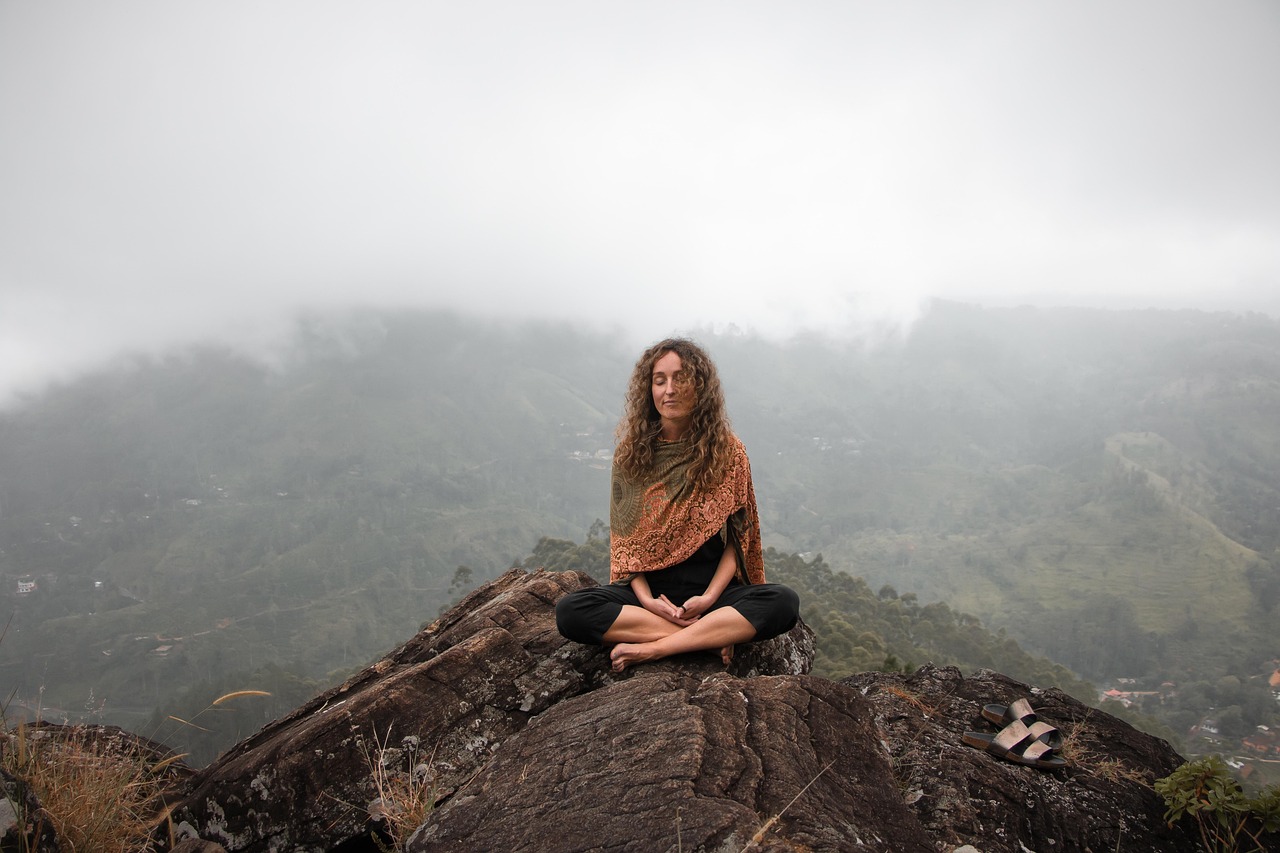

Stress-Busting Workouts: Meditation and Relaxation Techniques for Week 43
In today’s fast-paced world, incorporating stress-busting workouts into your routine is essential. These workouts focus on meditation and relaxation techniques that help calm the mind and refresh the body. Practicing consistently can lead to improved mental health and resilience against stress. One effective method to promote relaxation is through mindful breathing exercises. Deep, intentional breaths can significantly lower stress levels and enhance overall well-being. Additionally, integrating yoga into your practice offers a dual benefit, providing both physical exercise and mental clarity. Engaging in a dedicated session of yoga can foster relaxation by emphasizing fluid movement and controlled breathing. You can also explore guided meditation apps. Available on various platforms, these apps provide readily accessible sessions that promote inner peace. Such sessions can range from a few minutes to longer durations and focus on mindfulness or visualization techniques. Furthermore, consider joining a local meditation group for support in your practices. Engaging in communal meditation can strengthen motivation and ensure consistency, which is key. Over time, these activities will help you build a solid foundation for managing stress efficiently.
Meditation Techniques for Relaxation
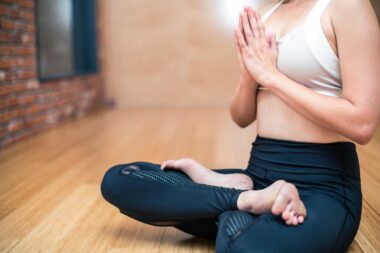
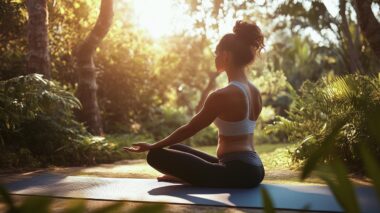
When diving into meditation techniques, it’s important to choose methods that resonate with you personally. One popular technique involves focusing on your breath while allowing thoughts to come and go without judgment. Just observing your thoughts can help you detach and reduce stress. Another approach is to practice guided imagery. This technique invites you to imagine a calming scene or experience, engaging your senses in the process. Furthermore, loving-kindness meditation fosters compassion towards oneself and others. This specifies a practice of sending goodwill and warmth to friends and foes alike. You might want to create a peaceful environment for your meditative practices; this could involve using scented candles or calming music, enhancing your relaxation experience. Also, visual meditation, which involves focusing on a specific image or word, can further enhance your focus. Try setting a timer to dedicate a specific time daily to your meditation. It could be as short as five minutes, gradually increasing as you grow more comfortable. Over time, establishing this as a routine solidifies the practice, generating deeper benefits and fostering resilience against everyday stressors.
Another effective stress-busting technique is progressive muscle relaxation (PMR). This method encourages you to tense and then relax various muscle groups, helping alleviate physical tension often tied to stress. Begin at your toes, consciously tightening and releasing, then move sequentially through your body to your head. Engaging in PMR for about ten to fifteen minutes can create an enhanced sense of relaxation and awareness of body tension. Incorporating mindfulness practices into everyday activities can also be beneficial. Whether you are walking, eating, or engaging in routine tasks, try staying present and fully absorbing each sensation. This allows you to step back from your thoughts and appreciate the moment, reducing feelings of overwhelm. Maintaining a journal can further aid your stress management journey. Writing down thoughts and feelings allows for better emotional processing and provides clarity about stressors. As you continue on your path to stress relief, don’t forget the importance of maintaining a balanced lifestyle, incorporating a mix of activities that promote both mental and physical well-being, for comprehensive wellness. Contrary to popular belief, these methods don’t need to be time-consuming. They can easily be adapted to fit within a busy lifestyle.
Combining Relaxation with Physical Activity
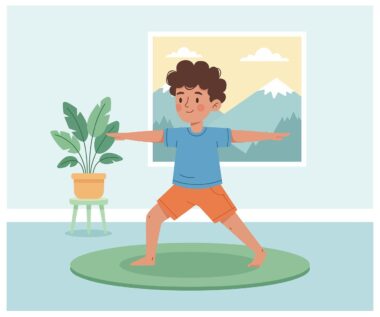
Combining relaxation techniques with physical activity is a fantastic way to deepen your stress-busting strategies. Activities such as tai chi and yoga blend physical movement with mindfulness, promoting both physical health and mental peace. Engaging in these workouts encourages the flow of energy in your body, which can enhance your overall vitality. Additionally, consider incorporating elements of nature into your relaxation practices. Activities such as walking or jogging in a park can also provide natural benefits; the fresh air and greenery do wonders for reducing stress. Engaging with nature fosters connection and can significantly improve your mood. If you prefer indoor workouts, low-impact exercises can serve as excellent stress relievers too. Exploring Pilates can prove beneficial, focusing on core strength while allowing you to engage in deep breathing techniques to aid relaxation. Also, don’t overlook the power of dance as a stress relief outlet. Whether you join a class or dance in your living room, moving to music releases endorphins, which improves mood. Remember, the key is to find activities that you enjoy and that also provide a sense of calmness, adapting your workout plan accordingly.
Creating a supportive environment for relaxation strengthens your ability to manage stress. Ensure that your space is comfortable and inviting, whether that means dimming lights, adding cushions, or introducing calming scents. Establishing a dedicated meditation nook can set the mood for reflective practices. Decorate your corner with items that soothe you, such as nature-inspired artwork or meaningful trinkets. Further, consider curating a playlist filled with calming sounds, perfect for background noise during your relaxation sessions. As you transition through different techniques, remain open-minded about what works best for you. Exploring various relaxation methods can lead you to discover interests you didn’t realize you had. If possible, attend local workshops or classes focusing on meditation or mindfulness; immersing yourself in a community can boost your motivation to maintain and diversify your practice. Additionally, creating an evening wind-down routine can help signal your body that it’s time to relax. This could involve reading, drinking herbal tea, or practicing light stretches. Having a predictable routine fosters relaxation, preparing your mind for restful sleep, otherwise crucial in combating stress. Moving forward, small adjustments can become immensely powerful over time.
Benefits of Regular Meditation and Relaxation
The benefits of regularly practicing meditation and relaxation techniques are extensive, impacting both mental and physical health. Research consistently demonstrates that patients who incorporate stress-reducing practices experience lower anxiety and depression symptoms. Furthermore, these techniques can improve your focus and concentration, leading to enhanced productivity. Stress relief extends beyond the individual; improved emotional regulation can positively affect relationships. Improved well-being also promotes physical health, lowering heart disease and hypertension risks. Committing to a routine helps you rewire your brain, ultimately enhancing resilience and emotional balance. Regular practice can evoke changes in the brain’s structure, promoting areas associated with mindfulness and emotional regulation. Each time you practice relaxation, you cultivate a habit that can transform your approach towards stressful situations in your daily life. Additionally, more creative problem-solving often emerges from a relaxed mind. Engaging in these techniques can also bolster your immune system response. As stress levels decrease, your body is better equipped to fight infections and recover quickly. To experience these profound benefits, you must stay consistent with your practice, always being mindful of your journey and the unique personal growth that develops through each session.
In conclusion, integrating meditation and relaxation techniques into your workout plans can significantly enhance your overall well-being. Take the time to identify which methods resonate most with you and adapt them to your lifestyle. As you embark on this calming journey, gradually embrace different practices and consistently dedicate a portion of your day to relaxation. Balance is key; coupling physical workouts with mental exercises creates a comprehensive approach to combatting stress. Always remain adaptable in your methods and be patient with your progress. Whether you prefer meditative breathing or physical workouts like yoga, make sure you enjoy the process; this ensures sustainability. Remember, mental health is essential for every individual, and taking proactive steps creates lasting change. Moreover, sharing your journey with friends or family can enhance accountability and motivation in maintaining a consistent practice. Encourage those around you to join or even participate in relaxation sessions together, fostering community connection. By sharing progress and experiences, you’ll also open the door to new techniques and skills. Harness the power of meditation for a calmer, healthier you.