
Using Pilates to Improve Respiratory Function in Older Adults
Pilates is a low-impact exercise method that can greatly benefit older adults wanting to improve their respiratory function. As individuals age, lung capacity and respiratory efficiency may decline. Incorporating Pilates into a senior fitness regimen can provide significant respiratory benefits by promoting deeper breathing and improved lung function. One of the primary goals of Pilates is to enhance core stability, which in turn supports proper posture and allows for better expansion of the chest cavity. Many exercises emphasize controlled breathing techniques, helping participants learn how to utilize their breath effectively. This mind-body connection is integral to promoting relaxation and reducing stress levels, which also impacts lung efficiency. In Pilates sessions, seniors can learn to coordinate breath with movement, reducing tension and enhancing the overall flow of oxygen in their bodies. Additionally, the gentle stretching involved in Pilates aids in enhancing mobility, which can further facilitate better lung expansion. By engaging in consistent Pilates practice, seniors can unlock numerous benefits, including improved respiratory function, thus contributing to their overall health and vitality.
Benefits of Pilates for Respiratory Health
There are numerous advantages to incorporating Pilates into the fitness routines of older adults, particularly concerning respiratory health. One significant benefit is the emphasis on breath awareness. Pilates encourages participants to take deep inhalations and controlled exhalations, allowing for greater lung capacity utilization. Increased oxygen flow positively affects overall health, from energy levels to stamina. Furthermore, Pilates promotes the engagement of the diaphragm, strengthening this critical muscle involved in breathing. Strengthening the diaphragm not only aids in better respiratory function but also can help alleviate common issues seniors face, such as mild shortness of breath. As seniors practice Pilates, they also work on their posture, which influences how efficiently they breathe. Improved alignment allows the lungs to expand more fully, thus maximizing oxygen exchange. Additionally, Pilates can support pulmonary rehabilitation for those recovering from respiratory illnesses. Practitioners often engage in gentle exercises that focus on maintaining and enhancing lung function over time. Ultimately, the consistent practice of Pilates can contribute to better quality of life, healthier lung function, and improved overall wellness.
During Pilates sessions tailored for seniors, specific exercises can be implemented that directly support respiratory function. Exercises such as the ‘Pilates Breath’ encourage expansion of the ribcage, promoting full lung inflation. Incorporating movements that require lifting the arms overhead allows the intercostal muscles between the ribs to stretch, facilitating a deeper respiration process. Other effective exercises include ‘Spine Stretch’ and ‘Saw’, both of which are designed to engage the muscles of the core while also focusing on breath control. These exercises create a rhythm, enhancing the coordination between movement and breath. Additionally, seniors may also find the ‘Pelvic Curl’ beneficial, as it encourages proper breathing patterns while promoting stabilization of the pelvis and spine. With the physical emphasis of Pilates on slow and controlled movements, seniors learn to approach their breath with mindfulness, which is incredibly valuable as it fosters a greater sense of calm and concentration. Overall, focusing on deliberate breathwork along with physical activity is pivotal for improving respiratory health and maintaining it in older adults, providing the necessary means for better daily functioning.
Implementing Pilates in Senior Fitness Programs
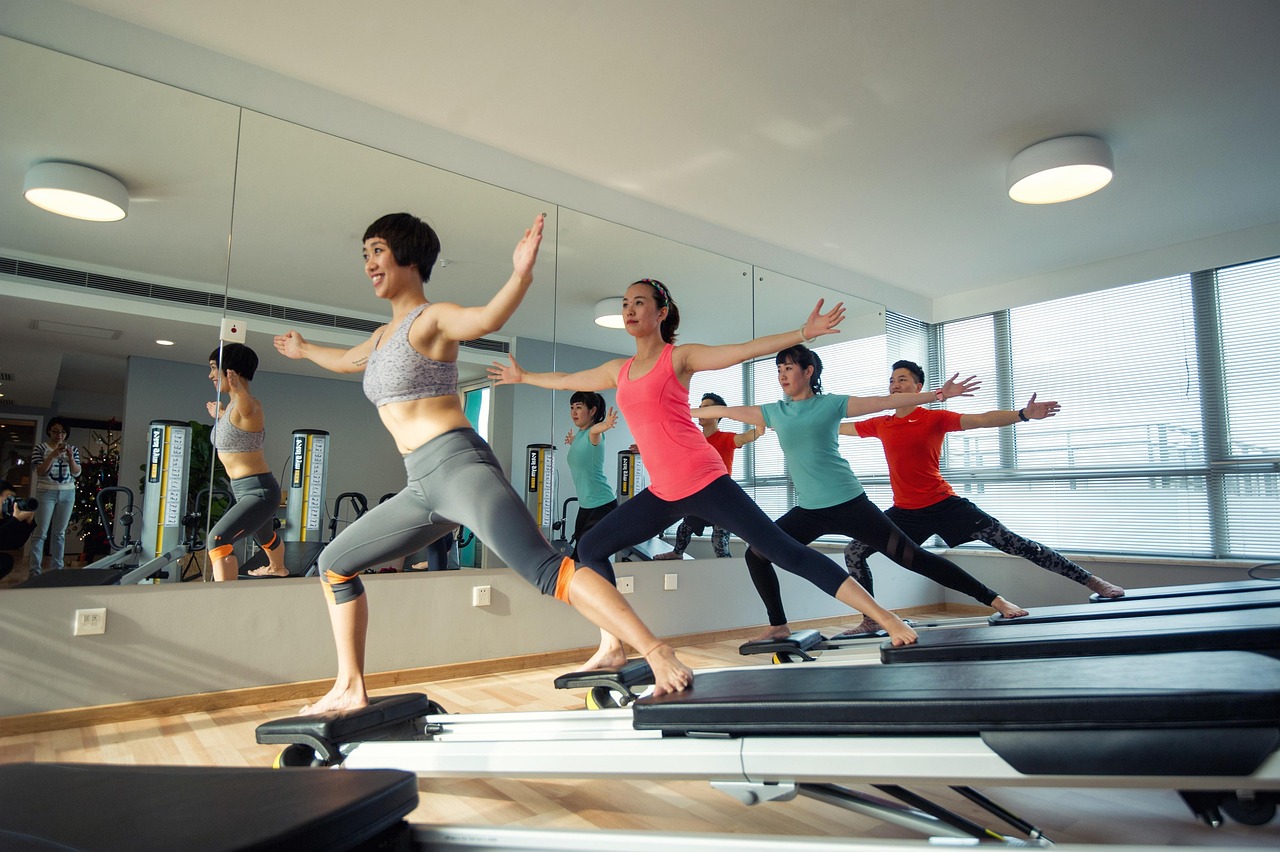
To successfully integrate Pilates into senior fitness programs, instructors must consider the unique needs and capabilities of older adults. Safety is paramount, and introducing modifications and options can help ensure that exercises are accessible to all participants. Instructors should encourage frequent communication, allowing seniors to express any concerns or discomfort during practice. Utilizing props such as resistance bands, yoga blocks, and stability balls can further enhance the Pilates experience, offering additional support and assistance where necessary. Developing structured classes focusing on breathing mechanics, stretching, and gentle strengthening exercises helps participants gradually adapt to the practice, promoting longevity in their fitness journey. Furthermore, group settings provide social interaction that can motivate seniors to remain consistent in attendance. Instructors should emphasize breathing techniques throughout the sessions, integrating these methods into various movements to ensure that breathing becomes a natural and habitual part of their practice. Encouragement and positive reinforcement go a long way to fostering a supportive environment where older adults can gain confidence and feel empowered through the exploration of Pilates, knowing that they are participating in something that positively impacts their respiratory health.
One of the reasons Pilates is so effective for older adults is its adaptability. Instructors can tailor each exercise to match the individual limitations or physical conditions of seniors. For example, exercises can be performed sitting in a chair or using a wall for support, making it accessible to those with limited mobility. Modifications are crucial, as they ensure that every movement is achievable while still providing significant benefits. Regular participation can lead older adults to experience improved stamina, mobility, and flexibility, greatly aiding respiratory function. It’s essential that seniors progress at their own pace, building confidence and abilities over time. Moreover, engaging in community classes can reduce feelings of isolation and encourage social interaction among peers. As they work together, seniors can motivate one another while enjoying the process of improving their respiratory health. Quality classes should also include a cool-down period focusing on relaxation and controlled breathing, allowing participants to process their practice and enjoy the meditative quality of Pilates. Thus, the social and health aspects combine seamlessly, encouraging seniors to embrace fitness as an enjoyable and beneficial aspect of their daily life.
Conclusion: The Lasting Impact of Pilates
In conclusion, Pilates offers substantial benefits for older adults seeking to enhance their respiratory function. The holistic approach of Pilates combines physical exercises with mindful breathing, allowing seniors to experience noticeable improvements in lung capacity and overall health. These benefits go beyond physicality, as improved respiratory function leads to enhanced energy levels, better mood regulation, and a general sense of well-being. Moreover, the adaptability of Pilates ensures that it can safely accommodate seniors of all fitness levels, empowering them to participate actively in their own health management. Regular practice fosters an understanding of breath as a vital component of movement, a connection that translates into daily activities and overall quality of life. Community support through classes not only encourages consistency but also builds friendships among seniors, further enhancing emotional well-being. As older adults continue to engage with Pilates throughout their golden years, they are likely to experience lasting improvements in their respiratory health and physical fitness. Ultimately, the integration of Pilates into senior fitness programs promises a comprehensive approach to health, vitality, and resilience against age-related decline.
For those interested in exploring Pilates as a method for improving respiratory function, it’s essential to find qualified instructors experienced in working with seniors. This will ensure that the approach is tailored specifically to the needs and abilities of older adults. Many resources are available, including online classes, local community programs, and fitness studios dedicated to senior fitness. Practicing with a knowledgeable instructor can provide insight into the specific exercises beneficial for respiratory health, along with proper techniques to maximize benefits. Additionally, seniors should be encouraged to share their experiences and insights with each other, fostering a sense of community and mutual support. Emotional and social wellness plays a significant role in the overall effectiveness of any fitness regimen, and through Pilates, seniors can cultivate both. Therefore, taking the first step into Pilates practice opens doors to not just enhanced respiratory function but also a lifestyle enriched with relationships and joy. As they embark on this journey, older adults can discover the profound connection between body, breath, and health, ultimately transforming the way they experience aging.