
Cool-Down Strategies to Reduce Muscle Soreness After Kickboxing
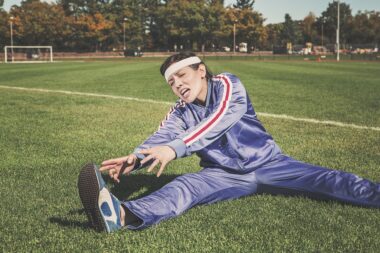
Kickboxing is an intense workout that can lead to considerable muscle soreness if proper cool-down exercises are neglected. After an engaging session, it’s crucial to implement effective cool-down strategies. These help facilitate recovery and reduce soreness. One effective cool-down technique is static stretching. By holding stretches for around 20 to 30 seconds, you can effectively elongate tight muscles. Incorporate stretches targeting major muscle groups used during kickboxing, including the quadriceps, hamstrings, calves, and shoulders. Prioritizing deep breathing during stretches promotes relaxation and improves oxygen flow throughout the body, enhancing the overall recovery process. Another essential aspect of a cool-down is hydration. Drinking water after workouts helps replace fluids lost through sweat, maximizing recovery. Furthermore, light aerobic activity can help maintain blood flow, aiding the removal of metabolic waste from the muscles. Activities such as walking or light jogging for about 5 to 10 minutes can be beneficial. Lastly, consider foam rolling as an effective tool to alleviate muscle tightness, improve flexibility, and minimize soreness. Integrating these practices into your routine will lead to more enjoyable kickboxing experiences.
The role of proper nutrition in your post-kickboxing recovery cannot be overstated. Consuming a balanced meal or snack post-workout is essential for muscle recovery and soreness reduction. Aim for a combination of carbohydrates and protein to replenish glycogen stores and support muscle repair. Foods like grilled chicken with brown rice or a smoothie with banana and protein powder can be excellent options. Timing also matters, as refueling soon after training can accelerate recovery. Ideally, consume these nutrients within 45 minutes of finishing your kickboxing session. Additionally, incorporating anti-inflammatory foods can significantly benefit recovery. Foods rich in omega-3 fatty acids, like salmon and walnuts, help to reduce inflammation throughout the body. Other helpful options include fruits and vegetables high in antioxidants, such as berries and spinach, as they combat oxidative stress caused by intense workouts. Supplements may also be considered for additional support, such as branched-chain amino acids (BCAAs) that can help alleviate muscle soreness. Finally, listening to your body is vital; if soreness persists, consider modifying your next training sessions to focus on recovery.
The Importance of Active Recovery
Active recovery is a crucial component of a well-rounded cool-down strategy to enhance muscle recovery after kickboxing. Engaging in light physical activities like walking, cycling, or swimming on non-training days can promote blood flow to the muscles. This increased circulation can help reduce soreness and stiffness, allowing your muscles to recover more effectively. It’s recommended to keep the intensity low for active recovery, ideally at about 50% of your maximum effort. This way, your body is not overworked while still promoting movement and recovery. Implementing yoga or gentle stretching sessions during your active recovery days is another excellent strategy, increasing flexibility while reducing muscle tension. Moreover, consider incorporating mindfulness practices, such as yoga or tai chi, to boost your mental well-being as you physically recover. The calming effects of these practices contribute to a decreased perception of soreness. Lastly, don’t underestimate the benefits of ample sleep. Quality sleep is essential; a well-rested body convalesces more efficiently, leading to stronger performance in your next kickboxing session.
A crucial element of any cool-down routine is the application of ice to sore muscles. After an intense kickboxing session, applying ice can significantly alleviate soreness and inflammation. Ice packs should be used for 15 to 20 minutes in specific areas where soreness is prominent. It’s essential to cover the ice pack with a thin towel to prevent frostbite. If you experience persistent pain, consider consulting a healthcare professional, as chronic soreness may indicate a more severe issue. Alternating between heat and ice can also yield excellent results. Heat helps to relax and loosen tissues while ice reduces swelling and numbs sharp pain. Use heat therapy through warm towels or heating pads before workouts to prepare your muscles. Afterward, apply ice, especially if engaged in strenuous training, to expedite recovery. Compression garments may also facilitate muscle recovery after intense workouts. These garments help reduce swelling while promoting blood circulation. Opt for compression clothing that fits snugly but comfortably. Incorporating these strategies will result in improved recovery and keep you committed to your kickboxing goals.
Establish a Consistent Routine
Consistency is key for effective cool-down strategies following your kickboxing workouts. Establishing a regular cool-down routine ensures that your body becomes accustomed to recovery practices, leading to more efficient recovery over time. Consider setting aside dedicated time after each session for cool-down exercises, which can help instill the habit. Incorporate each component we’ve emphasized: stretching, hydration, nutrition, and active recovery in your routine. Initially, you may need to remind yourself to prioritize these practices, but eventually, it will become second nature. Mark it on your calendar or set a reminder on your phone to reinforce this commitment. Moreover, consider tracking your progress concerning muscle soreness; adjust your post-workout routine based on your findings. Are there specific stretches that alleviate soreness? Are certain nutrition choices beneficial? Documenting any relief can guide your adjustments for future workouts. Additionally, engage with fellow kickboxers to share ideas and hold each other accountable in adhering to your routines. This support can make recovery a collaborative effort that fosters a healthier training environment.
Listening to your body is perhaps one of the most vital cool-down strategies you can adopt following your kickboxing sessions. Each athlete has unique physical responses to different workouts, making personalized recovery indispensable. If you frequently experience discomfort, think about adjusting your kickboxing intensity or duration. Experiment with various recovery techniques until you find the methods that work best for you. Some individuals might respond best to static stretching, while others benefit from foam rolling or hydrotherapy. Consulting with a coach or personal trainer can also provide valuable insights tailored to your specific needs and progress. Regularly acknowledging how your body feels during recovery is an integral part of enhancing performance and reducing the chances of injury. Consider keeping a training journal documenting soreness levels, recovery strategies, and your overall physical responses. Over time, this practice will help you fine-tune your approach to cool down, optimizing your recovery after kickboxing. By remaining in tune with your body, you’ll create a more sustainable kickboxing regimen that promotes long-term health and enjoyment of the sport.
Conclusion
In conclusion, effective cool-down strategies are essential for kickboxers to reduce muscle soreness and enhance recovery after workouts. Implementing a combination of techniques, including stretching, hydration, nutrition, and active recovery, will significantly benefit your overall performance. Moreover, personalizing your recovery approach by listening to your body allows for better adaptation to the physical demands of kickboxing. It’s critical to remain consistent and establish a routine surrounding your cool-down practices. Don’t forget the vital role of sleep and proper nutrition in maximizing recovery; make these a priority following each kickboxing session. Additionally, consider incorporating a mix of active recovery exercises to keep your muscles engaged without overexerting them. Engage with a community of kickboxing enthusiasts to share experiences and recovery solutions, solidifying your commitment to your health. Tracking your recovery progress, both physically and mentally, ensures that you focus on improvements and remain motivated. With the right strategies, you can significantly minimize muscle soreness and keep your kickboxing journey enjoyable and sustainable in the long run.
As you master these cool-down strategies, you’ll notice enhanced flexibility, reduced soreness, and increased enjoyment after every kickboxing session. It’s time to incorporate these practices into your routine.