
Coordination Workouts to Boost Ski Performance
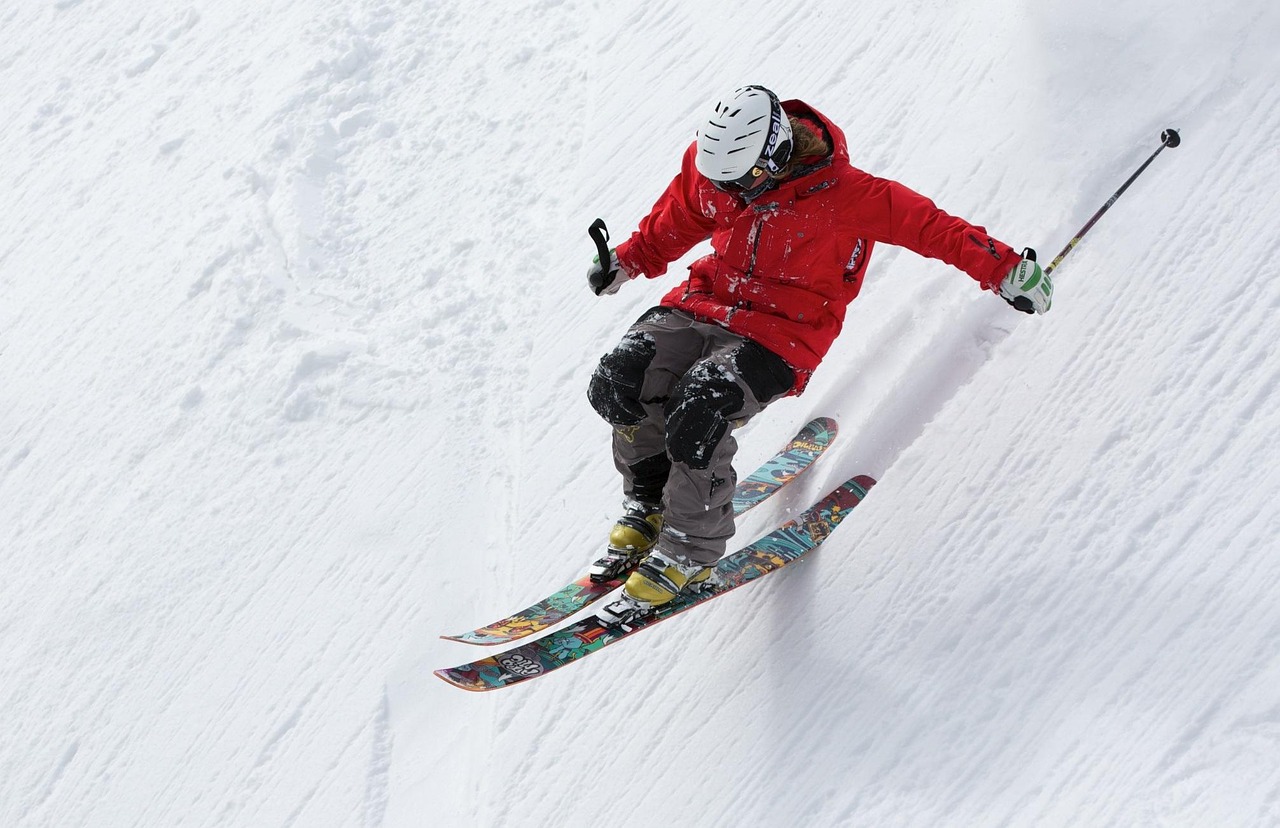
The importance of balance and coordination cannot be overstated for skiers. These skills are foundational elements that directly influence their performance on the slopes. By incorporating specific workouts into their training routine, skiers can develop better control and stability. Enhanced coordination also plays a crucial role in preventing injuries, allowing skiers to be more confident in their movements. One effective approach is to engage in exercises that challenge both balance and proprioception. Such workouts can help skiers adapt to the constant changes in terrain and speed they experience while skiing. If skiers maintain this focus on balance and coordination, they will likely notice improvements in their overall technique. Incorporating tools like balance boards or Bosu balls can make workouts more dynamic and engaging. Not only do these tools assist in enhancing core strength, but they also provide an effective way to work on ski-specific movements. Remember, coordination workouts should be tailored to individual needs and goals. Skiers can progressively challenge themselves to maximize their performance potential on the slopes.
Key Exercises for Improving Balance
Among the many methods to improve balance, the following exercises are particularly beneficial for skiers. First, consider the single-leg stance exercise, which forces one leg to stabilize the body weight while the other remains raised. This simple yet effective exercise significantly enhances balance and muscle endurance. Another excellent option is the lateral hop, where skiers jump from side to side, activating the muscles essential for skiing. This drills not only boosts balance but also enhances lateral strength, critical for navigating turns. Furthermore, incorporating dynamic movements like lunges while maintaining balance introduces a level of unpredictability that mimics real skiing conditions. Planks and variations, particularly with leg lifts, challenge core stability vital for skiers. Incorporating agility ladders also assists in enhancing coordination and foot speed, helping skiers react swiftly. Lastly, yoga can be an excellent complement; its poses develop strength, flexibility, and grace, all essential for skiing. By consistently engaging in these exercises, skiers will improve their body awareness and coordination, leading to better ski performance.
Functional training focuses on improving strength and conditioning through real-world movements that users encounter in skiing. Integrating this concept into balance workouts is highly effective. Exercises such as box jumps can be great for explosive power while enhancing balance for quick movements on the slopes. Adding a rotational component to exercises is another way to simulate the demands of skiing, allowing skiers to maintain their center of gravity while turning. Exercises like medicine ball twists can enhance this quality considerably. Working on stability with a focus on uneven surfaces is crucial. This can be done via Swiss balls or stability discs to create instability. Working under such conditions is similar to what skiers might face on varied terrain. Plyometric drills add to this mix by combining explosive movements with balance challenges. These drills can significantly enhance coordination and agility, both being crucial during a skiing run. Moreover, incorporating resistance bands for lateral movements ensures that exercise forms become dynamic, keeping workouts challenging and engaging, ultimately leading to improved skiing prowess.
The Role of Core Strength in Ski Performance
Core strength is integral to both balance and coordination; it impacts stability directly. Skiers with strong cores can maintain better posture, which helps during turns and maintaining speed. Core-centric workouts should include various exercises, such as planks, Russian twists, and stability ball exercises. These not only build strength but also promote better balance, essential for skiing. Focusing on oblique muscles is crucial, especially as these support the turning movements in skiing. Having a well-rounded core strength program enables skiers to manage their weight distribution effectively while skiing downhill. Additionally, engaging in rotational strength training increases the core’s ability to promote synchrony with the legs and upper body. This synchronization is essential in making quick adjustments required for preventing falls or managing tight turns. Balance challenges using Swiss balls or specialized equipment can further complement core workouts. It is imperative for skiers to understand that a strong core enhances overall athleticism that extends beyond skiing. Therefore, integrating core strength training into their routine is vital for achieving superior skiing capabilities and performance on the slopes.
Recovery is often overlooked, yet it plays a significant role in enhancing performance through improved balance and coordination. After intensive workouts, allowing muscles to recover helps prevent fatigue-related injuries. Incorporating rest days into a training schedule is essential for sustained performance. Additionally, post-workout activities like stretching and foam rolling increase flexibility and muscle recovery. These activities can promote blood flow and help relieve tension in the muscles, enhancing coordination during subsequent workouts. Proper nutrition also deserves attention during recovery; consuming protein-rich foods assists in muscle repair, while carbohydrates help replenish energy reserves. Hydration is equally crucial, supporting overall bodily functions and recovery processes. Skiers should aim for adequate hydration before, during, and after workouts. As part of a comprehensive approach, massages can further aid recovery by alleviating tightness and soreness in muscles. This process then contributes to better performance on the slopes, as the skier will benefit from refined balance and coordination after proper recovery. By prioritizing recovery, skiers will see tangible improvements in their training and performance outcomes.
Monitoring Progress and Setting Goals
Monitoring progress is crucial for skiers aiming to enhance their balance and coordination through workouts. By keeping track of achievements, skiers can adjust their training protocols accordingly. Establishing clear, measurable goals enables skiers to focus their efforts and gauge improvements over time. Utilizing training logs or mobile applications helps document workouts, ensuring that progress remains visible and motivating. Setting short-term goals can lead to achieving larger objectives; this approach makes the training process seem less daunting. A good practice is to incorporate performance assessments periodically; these assessments help identify how effectively balance and coordination workouts translate into skiing ability on the slopes. Additionally, engaging in feedback groups with other skiers offers fresh perspectives on areas needing focus. These collaborative efforts often provide accountability. It can also lead to learning new balance and coordination workouts, further enhancing the skier’s repertoire. Keeping a flexible mindset about goals encourages adaptation as skiing techniques or personal conditions evolve. An iterative approach to goal-setting and monitoring maximizes improvement and enhances the overall skiing experience.
In conclusion, balance and coordination workouts are fundamental for every skier aiming to improve their performance on the slopes. Through a mix of targeted exercises, strength training, and proper recovery techniques, skiers can effectively enhance their coordination. Implementing diverse training protocols ensures skiers remain engaged while fostering improvement in critical movement patterns. Core strength, agility, and functional movements should be at the center of any skiers’ routine. Consequently, these elements work together to optimize performance during skiing. By continually setting and monitoring goals, each skier’s journey becomes more focused and rewarding. Remember that collaboration with peers can foster new insights, methodologies, or techniques. Injury prevention through consistent training ensures that skiers maintain their progression rather than impede it. Overall, determination and a structured approach will yield remarkable results in skiing performance. Each outing on the slopes can become an opportunity for growth, offering new challenges. The synergy between balance, coordination, and strength culminates into a skier’s ultimate performance. As winter approaches, make your balance and coordination workouts a priority, and witness how they can revolutionize your skiing experience.