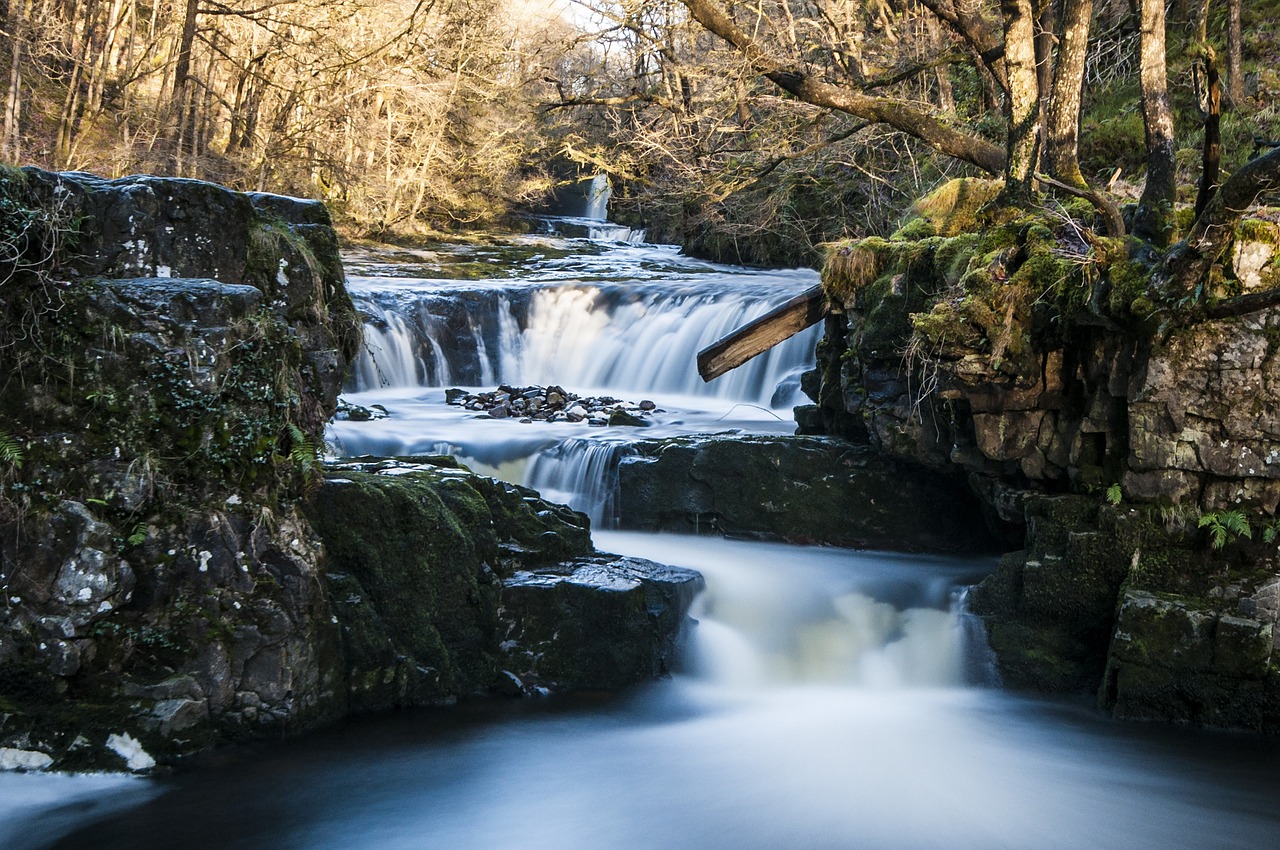

Environmental Impact of Whitewater Rafting and How to Minimize It
Whitewater rafting offers thrilling experiences as participants navigate swift currents and rapids. However, it also poses significant environmental challenges. Rafting can disturb wildlife habitats, leading to consequences for local ecosystems. Riverbanks are particularly sensitive areas; excessive trampling by rafters can result in soil erosion, affecting plant growth and wildlife. Protecting these areas is crucial for conserving biodiversity and maintaining the integrity of the environment. Additionally, pollution from trash and waste can degrade water quality, presenting health risks for both aquatic life and humans. To minimize these impacts, education and awareness are vital. Rafters should understand their role as environmental stewards, practicing techniques to lessen disturbances. Choosing less frequented routes or timing trips for off-peak seasons can help reduce overcrowding and its related effects. Collaboration with environmental organizations can also lead to more sustainable practices and restoration initiatives. Local regulations should be followed rigorously, ensuring that both rafters and outfitters take part in responsible use of waterways. Participating in clean-up events or river stewardship initiatives can further their protective efforts, helping to preserve natural beauty and ensuring that future generations can enjoy pristine rivers.
Understanding the Threats to Aquatic Ecosystems
Whitewater rafting can disrupt aquatic ecosystems in various ways as it alters the natural flow of rivers. This alteration can lead to habitat destruction, affecting fish populations and aquatic plants that rely on stable environments. Imbalances in fish species due to habitat loss can affect angling opportunities and local economies. Additionally, water quality may decrease due to increased sedimentation and turbidity, harming other organisms that depend on clean water. Pollution can originate from gear cleaning, food waste, and discarded items. Educating rafters on environmentally friendly practices can reduce waste significantly. The adoption of Leave No Trace principles encourages rafters to pack out all trash, including food scraps and disposable items. Minimizing stops at sensitive areas and using established trails when accessing rivers can lessen the likelihood of damage to delicate riverbanks and aquatic habitats. Supporting guides or companies that prioritize environmental sustainability can also help mitigate harm during rafting excursions. Participating in trained stewardship programs to learn proper practices can further enhance awareness. Ultimately, through collective efforts, rafters can protect aquatic ecosystems for the enjoyment of all and contribute to conservation so future visitors enjoy these landscapes.
Moreover, the socio-economic implications of whitewater rafting can be significant. Many communities rely on rafting tourism for their livelihoods, which can result in increased pressure on local resources. The development of infrastructure, such as campsites and restrooms, reflects the demand from tourism. While such development can provide economic benefits, it must be balanced against environmental impacts. Ensuring that these facilities are eco-friendly is crucial. Implementing proper waste disposal systems can prevent pollution and ensure that the environment remains protected. Local policymakers should engage stakeholders, including local businesses and conservation groups, to address these challenges collaboratively. Educating tourists about responsible engagement with nature can foster respect for the environment. Incentives for eco-conscious businesses might also promote sustainable practices among tour operators. Additionally, policies that support local conservation efforts, such as restrictions on the number of rafting permits issued each season, could help preserve natural resources without eliminating economic opportunities. Designating conservation areas enhances the protection of critical habitats while allowing for safe and enjoyable recreation. By emphasizing the importance of eco-tourism, communities can thrive economically while safeguarding their natural environments.
Strategies for Environmentally Friendly Rafting
To engage in sustainable whitewater rafting, visitors should adopt eco-friendly practices. Before starting a rafting trip, it is essential to research and choose outfitters that value environmental stewardship. Many responsible companies implement various strategies to reduce their ecological footprint, from using biodegradable cleaning products to creating efficient waste disposal systems. Using reusable containers for food and beverages is recommended, as this reduces waste significantly. Making the trip enjoyable while minimizing trash and plastic usage is also crucial. Choosing local products supports community economies and lowers the carbon footprint associated with transporting goods. On the river, rafters should avoid disturbing sensitive areas, such as nesting sites for birds, and refrain from loud noises that can scare wildlife. Following designated trails and avoiding unnecessary paths can help mitigate soil erosion and protect riverbanks. Rafters can participate in educational workshops that emphasize sustainable practices for other outdoor adventures. Getting involved in community initiatives can empower rafters to contribute actively to the preservation of their favorite rivers. Practicing patience and respect for the surroundings ensures that everyone enjoys their experience without compromising environmental integrity.
Seasonal considerations are equally important in mitigating environmental impacts related to whitewater rafting. Awareness of seasonal changes allows rafters to optimize their experience while minimizing risks to sensitive ecosystems. During certain times of the year, wildlife is more vulnerable, especially during breeding and nesting seasons. Planning rafting trips during less sensitive times can protect these critical periods for wildlife. Additionally, understanding local weather patterns aids in ensuring safety on the river while preserving the environment. Adverse weather conditions can exacerbate potential hazards, leading to increased erosion or sediment runoff. Guides should inform participants about optimal times for rafting while recommending sustainable practices. Early to mid-spring is often ideal due to natural snowmelt contributing to healthy water levels. On the contrary, summer months can lead to lower water levels, restricting access to some areas but increasing risks of trampling delicate ecosystems. Educational campaigns focusing on seasonally responsible rafting can foster healthy respect for nature and empower all river users to contribute to environmental preservation. Such awareness will create a more enriching experience while ensuring sustainable opportunities for enjoyment in the future.
Engaging Communities in Conservation
Community engagement plays an essential role in minimizing the environmental impact of whitewater rafting. By uniting local stakeholders, tourism operators, and conservationists, a collaborative approach fosters shared responsibility toward river conservation. Hosting community meetings to discuss concerns and gather diverse perspectives ensures that the voices of those impacted by rafting activities are heard. Establishing partnerships with local organizations can facilitate clean-up events, raising awareness around the importance of minimizing pollution in waterways. Educational programs designed for both rafters and the community enhance understanding of the ecological significance of rivers and associated wildlife. Encouraging participation in conservation-focused groups can create a local culture prioritizing environmental stewardship. Collaboration on initiatives such as habitat restoration projects allows community members to take ownership of their environment and actively contribute to its preservation. Companies that incorporate a portion of their profits into local conservation projects signal their commitment to sustainability and help garner community support. Engaging younger generations through school programs can introduce outdoor ethics early, fostering relationships with nature. Such proactive steps contribute to the sustained health of local ecosystems while supporting a vibrant outdoor adventure culture.
In conclusion, understanding the environmental impact of whitewater rafting is vital for sustainable recreation. Rafting enthusiasts must recognize their role and the responsibility they have toward preserving natural environments. By adopting eco-friendly practices, supporting local economies, and respecting wildlife, rafting can be enjoyable without compromising the integrity of the ecosystems involved. Collaborative efforts within a community ensure a balanced approach to economic growth while promoting environmental protection. Educational engagement enhances awareness and empowers rafters to make responsible choices during their adventures. Encouraging partnerships among various stakeholders strengthens collective responsibility for river conservation. Ultimately, every individual experience contributes to a larger narrative of environmental sustainability. Continued advocacy and commitment toward these practices can ensure that whitewater rafting remains a cherished pursuit for future generations. Through a combination of restraint, respect, and responsibility, our rivers can thrive. If we collectively prioritize the environment, we can continue to embark on exhilarating adventures while safeguarding this beautiful planet. Embracing a culture of conservation enables everyone to discover the joys of nature while keeping it intact for years to come.