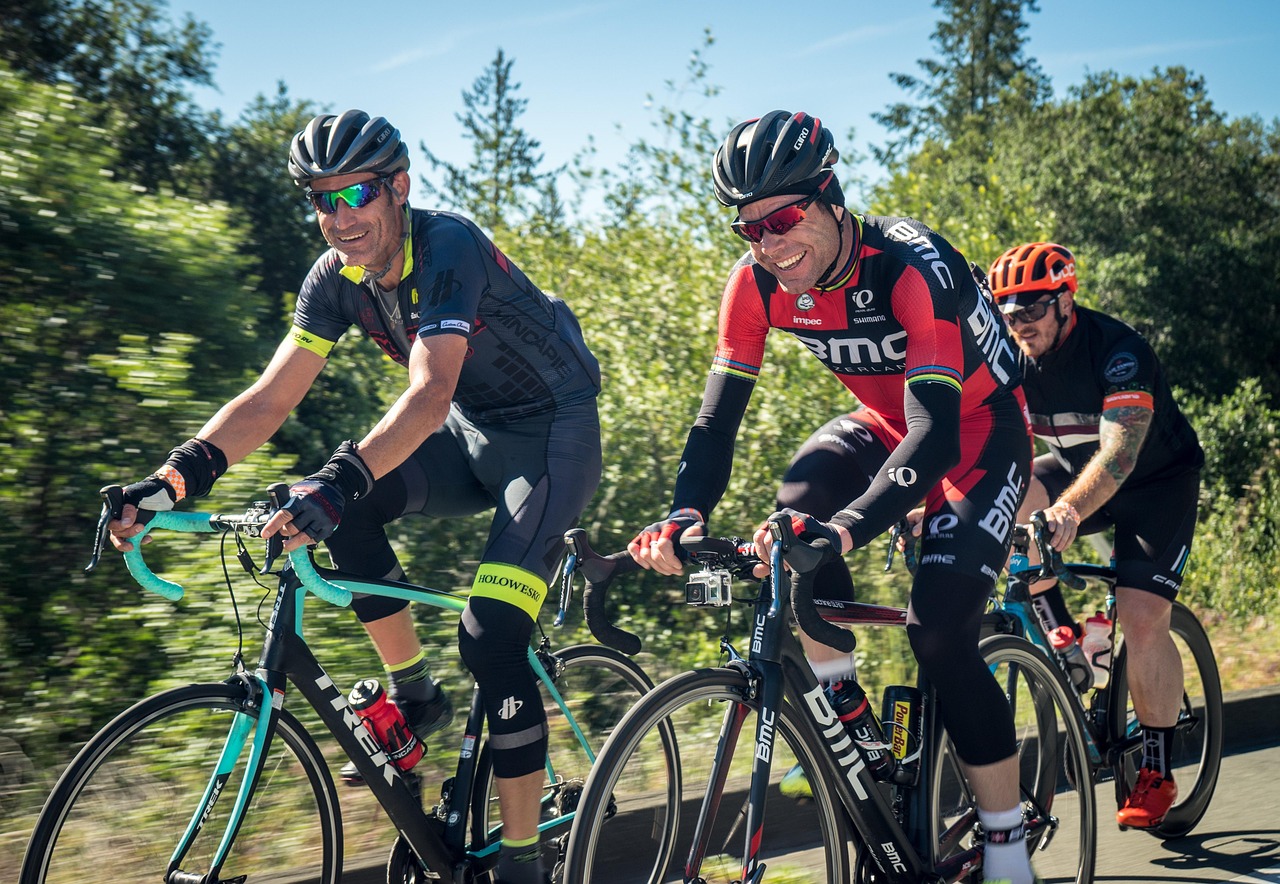

Essential Gear for Cycling Fitness Rides
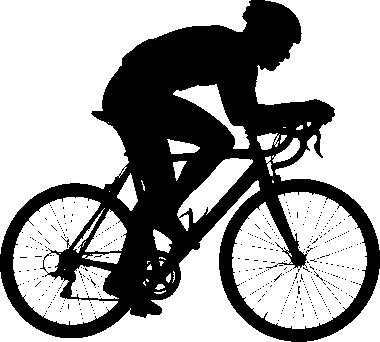
When it comes to cycling for fitness, having the right gear makes a significant difference in your performance and enjoyment. First, consider the type of bike you will use. A road bike is light and efficient for paved paths, while a mountain bike is designed for rugged terrain. Next, invest in a good helmet; safety should always be your top priority. Helmets protect your head in case of falls and accidents. Additionally, padded cycling shorts can enhance your comfort during longer rides. They reduce friction and provide cushioning where it’s needed most. Furthermore, don’t forget about proper footwear. Cycling shoes with stiff soles improve efficiency and power transfer to your bike. Ensure they fit snugly without being uncomfortable. A reliable water bottle and cage are crucial for hydration. It’s essential to stay hydrated during your rides, especially on warm days. Lastly, consider adding accessories like a bike lock for security, lights for visibility, and a repair kit. Being well-equipped not only enhances your cycling experience, but it also motivates you to maintain a consistent fitness routine.
Choosing the Right Bicycle
Selecting the right type of bicycle is crucial when embarking on fitness cycling journeys. Road bikes are built for speed and paved surfaces, while hybrid bikes offer balance and versatility. Mountain bikes, on the other hand, excel in rugged conditions with sturdier frames and thicker tires. Test ride a few models to find what feels comfortable for your body type and riding style. Look for a bike that fits you well; a proper fit enhances performance and reduces the risk of injury. Measure your inseam to ensure you select the right frame size. Pay attention to the bike’s components, including gears and brakes; quality parts result in smoother rides. Consider your cycling goals as well. If you aim for long-distance rides, prioritize comfort with a relaxed geometry. For racing, opt for a lightweight frame. Performance changes with terrain, so choose accordingly. Investing in a high-quality bicycle is wise, considering the durability and improved cycling experience it offers. Consult with local bike shops for expert advice on brands and features. Being informed enables you to make an educated purchase that suits your cycling needs.
Safety gear is of paramount importance when cycling for fitness. A well-fitted helmet is a must-have; never compromise your head’s safety. Aside from helmets, consider reflective clothing or vests if you plan to ride during low-light conditions. Visibility can significantly reduce accident risks, as drivers and pedestrians can see you more clearly. Additionally, padded cycling gloves are beneficial for your comfort. Wearing gloves can provide better grip and reduce vibrations that affect your hands. Moreover, invest in knee and elbow pads for added protection; they can be invaluable in case of falls. A first aid kit is another essential gear component that should not be overlooked. Accidents can happen during outdoor activities, and being prepared can make a huge difference in emergencies. Also, consider using sunblock and sunglasses; they protect your skin and eyes from harmful UV rays. Lastly, if you ride in remote areas, a whistle or signal device can help attract attention in case of emergencies. Prioritizing safety gear not only ensures your comfort but also allows you to focus on your fitness goals without distractions.
Essential Accessories for Enhanced Riding
To enhance your riding experience further, a few essential accessories can provide significant benefits. A durable bike lock is crucial for securing your bike when parked, especially in public areas. Theft is a prevalent issue, and having a high-quality lock deters thieves. Additionally, a comfortable bike seat can make a huge difference on longer rides. Invest in a memory foam seat cover or replace uncomfortable seats to enhance your ride quality. Consider using rearview mirrors; they help you stay aware of oncoming traffic without turning your head. This simple accessory increases your safety. A GPS or cycle computer can assist you in tracking your speed, distance, and time, allowing you to monitor progress toward your fitness goals. Furthermore, a handlebar bag may be useful for carrying essentials like snacks, tools, or your phone. Riding with lightweight gear is advisable to enhance your performance. Training with power meters is an advanced option for serious cyclists. They provide real-time data to optimize your training regimen. Incorporating these accessories can enrich your cycling experience while achieving fitness objectives effectively.
Hydration is critical for anyone engaging in fitness cycling. A good quality water bottle is essential for quenching your thirst during rides. Select a bottle that fits comfortably in your bike’s cage and is easy to grip, especially when you’re on the move. Staying hydrated can significantly affect your performance and recovery. For longer rides, consider using electrolyte drinks; they help replenish lost minerals and maintain energy levels. Plan your hydration strategy based on the duration of your ride; ensure you drink regularly, not just when you feel thirsty. Gatorade or similar drinks can be effective during lengthy sessions. Carrying a small backpack or hydration pack allows for easy access to liquids without slowing down. During warm weather, dehydration can quickly set in, making hydration a priority. It’s also essential to listen to your body; fatigue or dizziness can indicate dehydration. Plan your routes according to water access points if you’re cycling long distances. By prioritizing hydration and managing your fluid intake, you can improve your endurance and overall cycling fitness.
Nourishing Your Body for Performance
Nutrition plays a vital role in cycling for fitness and overall performance. Consuming a balanced diet rich in carbohydrates, proteins, and healthy fats is essential for cyclists. Carbs provide energy; they are your primary source during rides. Incorporate whole grains, fruits, and vegetables into your meals. Proteins aid in muscle recovery, which is crucial after intense workout sessions. Aim for lean sources of protein like chicken, fish, and legumes. Consider timing your meals appropriately; eating a snack before rides helps fuel your efforts. Post-ride meals should focus on recovery—combine protein and carbs to help restore glycogen levels and repair muscle tissues. Don’t forget hydration as part of nutrition; drinking water should accompany your eating schedule. For rides over one hour, experiment with energy gels or bars to maintain energy levels. Whole food snacks like bananas or nuts can also be effective for quick energy boosts. Proper nutrition can dramatically impact your performance, endurance, and recovery time. A well-nourished body can tackle tougher rides and improve overall cycling fitness. Keeping track of what you consume can guide improvements in your dietary habits.
Maintaining your bike regularly is crucial for both safety and performance when cycling for fitness. Make it a habit to inspect your bike before every ride. Ensure that the tires are properly inflated to the recommended pressure; under-inflated tires can lead to sluggish performance and increased risk of flats. Regularly check the brakes and gears, as they must function flawlessly for a safe ride. Adjust as needed to ensure proper engagement and performance. Cleaning your chain and lubricating it efficiently helps maintain smooth gear shifts. Dirt and grime can lead to wear and tear, adversely affecting your riding experience. Schedule periodic professional servicing to address any mechanical issues that may arise. Taking care of this can prolong the lifespan of your bike, ensuring it remains reliable. Additionally, familiarize yourself with basic repair techniques; knowing how to change a flat tire or make minor adjustments can be helpful during long rides. Creating a maintenance routine can enhance your overall cycling experience, minimizing breakdowns and promoting a smoother ride. Investing time in bike upkeep pays off and enhances your fitness journeys by ensuring a reliable and enjoyable cycling experience.
Setting Fitness Goals for Cyclists
Establishing fitness goals is essential for cyclists looking to improve their performance and enhance their experience. Think about what you want to achieve—are you training for a specific event, or seeking to enhance your endurance? Setting short-term goals can help you create pathways towards long-term objectives. For example, start with a target of cycling a certain distance weekly, then gradually increase your targets over time. Tracking your progress is vital, and utilizing apps or journals can help you visualize your achievements. Joining a cycling group or community can also provide support and inspiration for reaching shared goals. Participate in local rides, charity events, or races to motivate your training. Consider adding varied workouts like hill climbs or interval training to your routine; they promote better fitness levels. Mix in rest days to avoid injury and prevent burnout. Additionally, focusing on nutrition and hydration along with your riding routine can consolidate your fitness progress. Celebrating your milestones, no matter how small, keeps you engaged and motivated. By setting and working towards clear fitness goals, you’ll not only enhance your cycling skills but also promote overall health.