
Glute Activation Drills to Improve Hip Stability
Glute activation is essential for enhancing hip stability, and certain bodyweight exercises can significantly contribute to this goal. Engaging your glute muscles will not only improve your athletic performance but also mitigate the risk of injuries. Some popular glute activation drills include bridges, clamshells, and bodyweight squats. Each of these exercises focuses on targeting the gluteus maximus, gluteus medius, and gluteus minimus. Incorporating these movements into your warm-up routine can help to prime your body for various activities such as running, jumping, or lifting. Moreover, glute activation plays a crucial role in maintaining proper alignment during lower body movements. As you perform these exercises, focus on using your glutes effectively, emphasizing the contraction at the top. This intentional engagement is key to targeting those key muscle groups. Don’t forget to breathe properly while performing these exercises, as it contributes to overall effectiveness. Make sure to include rest periods to allow your muscles to recover between sets. Consistency is vital, and doing these drills regularly will yield the best results over time.
Another effective glute activation drill is the single-leg deadlift. This bodyweight exercise not only targets the glutes but also engages the core and improves balance. To perform this movement, begin by standing on one leg. Gradually hinge forward at the hips while extending the other leg behind you. Maintain a neutral spine and proper alignment throughout the exercise. As you lower your torso, keep your standing knee slightly bent to ensure stability and to prevent injury. The focus on this drill is to engage your glute on the standing leg as you return to standing upright. This will help improve hip stability while also significantly strengthening the glute muscles. Aim to complete multiple repetitions on each leg for balanced training. Including variations like the reaching back single-leg deadlift can help add challenge and variation to your routine. Progressively increase your repetitions as strength and stability improve. Adding resistance bands can also enhance this exercise’s effectiveness. When incorporating these drills into your regimen, ensure to maintain proper form to maximize the benefits and mitigate the chance of injury. Over time, this exercise will assist in enhancing overall athletic performance.
Incorporate Side-Lying Clamshells
A highly effective glute activation exercise is the side-lying clamshell. This movement specifically targets the gluteus medius, the muscle that plays a crucial role in stabilizing the pelvis during movement. To perform the clamshell, lie on your side with your hips stacked and knees bent at a 90-degree angle. Ensure your feet are touching and engage your core to avoid any excessive strain on your lower back. Slowly raise your top knee while keeping your feet together, creating a clamshell opening motion. Return to the starting position with control, emphasizing the engagement of your glute. Perform this exercise in sets of 10 to 15 repetitions on each side, gradually increasing as your strength improves. Adding a resistance band above your knees can increase the intensity and enhance the effectiveness of this exercise. By incorporating side-lying clamshells into your routines, you promote hip stability and strength, essential elements in athletic performance and injury prevention. Consistency in practicing this exercise will lead to noticeable improvements over time. Maintaining proper form is crucial, so be mindful of your technique during performance to ensure safety while exercising.
Hip thrusts are another powerful bodyweight drill that can boost your glute activation and hip stability significantly. To perform hip thrusts, find a sturdy surface such as a bench or step. Sit on the ground with your upper back resting against the bench while your knees are bent about shoulder-width apart. Begin the movement by placing your feet firmly on the ground, then thrust your hips upward while squeezing your glutes at the top of the lift. Hold for a moment, and then lower your hips back down without resting too long on the ground. This exercise effectively targets both the gluteus maximus and medius, contributing significantly to improving hip stability. Aim for 10 to 15 repetitions per set, ensuring controlled movements throughout. To increase the challenge, you can progressively add weights once you’re comfortable with the bodyweight version. Incorporating hip thrusts into your routine not only helps with glute activation but also enhances your overall lower body strength. Be mindful of your posture during the exercise. Keeping your chin tucked and shoulders relaxed ensures optimal performance. By including hip thrusts in your workout regimen, you’ll experience improvements in performance and stability.
The Importance of Proper Warm-Up
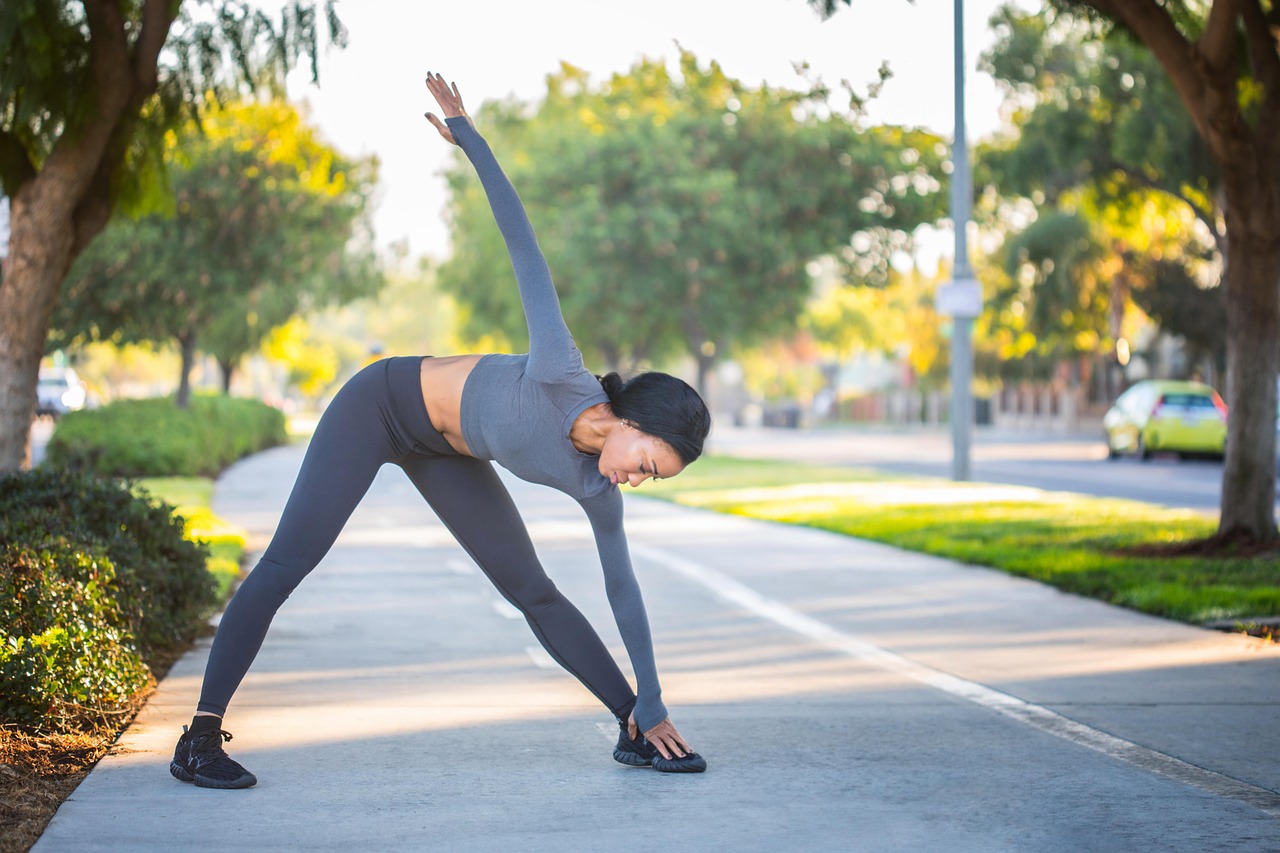
Before engaging in any glute activation drills, proper warm-up routines are essential for preventing injuries and optimizing performance. Warming up prepares your body by increasing blood flow to muscles and enhancing overall mobility. A dynamic warm-up focusing on the hip area is particularly beneficial for preparing your glutes for activation. Consider incorporating exercises like leg swings, hip circles, or light lunges to mobilize the hip joints. These movements help activate the core and lower body, priming the muscles for exertion. Ensuring that your hips are adequately warmed up can lead to more effective glute activation during your drills. Furthermore, incorporating a few minutes of light cardiovascular activity, such as jogging or skipping, can elevate your heart rate and further enhance your readiness for exercise. It’s essential to focus on mobility, flexibility, and stability within your warm-up to effectively prepare your muscles. By prioritizing a well-structured warm-up routine, you not only enhance your glute activation results but also reduce the likelihood of injury. Always listen to your body and adjust your warm-up as needed to ensure optimal preparation for your training session.
Additionally, maintaining a strong mind-muscle connection is vital during glute activation exercises. Engaging your brain and focusing on the specific muscles you are working on enhances their recruitment and effectiveness. This connection determines how well your body can engage the glute muscles during various exercises. To create this connection, visualize your glutes working during each movement, concentrating on the sensations felt throughout the activation. Practicing slow, controlled movements rather than rushing through them also contributes to improved activation. When performing exercises like clamshells or hip thrusts, take your time with each rep, focusing on proper form and muscle engagement. Use cues to remind yourself to squeeze and contract your glutes consciously. It may help to place your hands on the muscles you are working to enhance your awareness. By emphasizing the mind-muscle connection, you can maximize the benefits of your training sessions. Integrating this approach consistently can lead to greater strength gains and improved muscle tone in your glutes. Ultimately, focusing on this aspect can elevate your overall performance in athletic endeavors. Dedication to this practice will result in lasting gains over time.
Conclusion and Consistency
In conclusion, incorporating glute activation drills into your fitness routine is essential for improving hip stability and enhancing athletic performance. The drills discussed above, including hip thrusts, clamshells, single-leg deadlifts, and bridges, target the glute muscles effectively. Consistency in practicing these movements will lead to noticeable improvements over time, contributing to better overall strength and stability. Remember to include proper warm-up sessions to prepare your muscles adequately for activation, minimizing the risk of injury. Enhancing the mind-muscle connection while executing these exercises will further optimize your results, leading to even greater strength gains. Aim to practice these drills multiple times a week to develop a solid foundation in glute strength. As your body adapts to the resistance, gradually incorporate progressions to maintain your training’s intensity and effectiveness. This may involve adding weights or adjusting set repetitions to challenge your muscles continuously. Additionally, making these drills a regular part of your workout routine will support not only your glute activation goals but also overall athletic performance. Staying dedicated to improving your glute strength will yield significant long-term benefits in physical fitness and wellbeing.
In summary, focusing on glute activation through bodyweight exercises can positively impact hip stability and performance. Engaging in drills such as bridges, clamshells, and hip thrusts effectively works the glute muscles essential for lower body movement. Prioritizing a proper warm-up to prevent injuries and enhance muscle engagement is crucial in this training process. Furthermore, the importance of maintaining a strong mind-muscle connection cannot be overlooked – it’s key to maximizing activation. Overall, committing to a structured and consistent routine that focuses on glute activation will lead to significant benefits over time. Whether you’re aiming to improve athletic performance, prevent injury, or enhance your overall strength, incorporating these elements into your fitness plan is highly recommended. By regularly practicing these exercises, you will experience increased strength and stability in your glutes. It will also reflect positively on your entire lower body performance. Achieving good glute activation can enhance your skills in various activities, from running to lifting. Remember that dedication and consistency are vital for achieving the outcomes you desire. With time and commitment, the rewards of improved glute strength and stability will be evident as you progress in your fitness journey.