
How Functional Training Transformed These Dancers’ Performance
Functional training has increasingly become a dynamic component in enhancing dancers’ performances. This method focuses on improving strength, flexibility, and coordination, essential elements for dancers. The shift towards functional training allows dancers to optimize their athletic abilities while minimizing the risk of injury. Incorporating everyday movements into training routines offers dancers the unique opportunity to not only gain strength but to also develop stability. For instance, by executing a range of exercises, they can replicate movements they frequently practice in dance. Consequently, this training enables dancers to become more agile on stage. Functional training encourages cross-training, allowing dancers to maintain a well-rounded fitness regime. Many dancers report increased stamina during performances, translating to heightened emotional expression and engagement with audiences. Personalized training programs can be tailored to address specific needs, ensuring maximum impact. This personalized approach enhances dancers’ core strength, enabling them to perform their routines with higher precision and grace. As a result, the overall performance quality dramatically improves, showcasing the powerful influence of functional training in the world of dance.
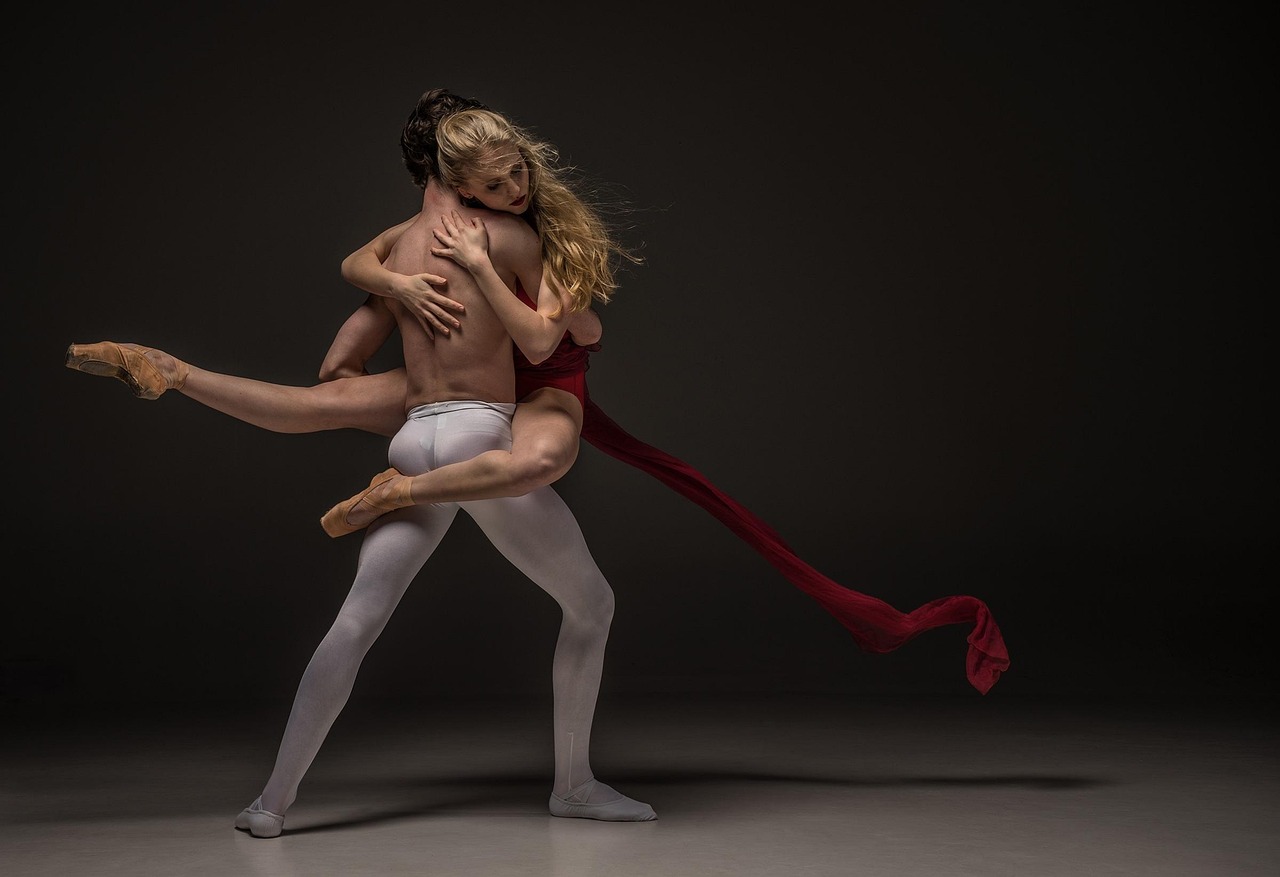
The success stories emerging from dancers embracing functional training are inspiring. Dancers report marked improvements in their endurance and agility, directly correlating to their training regimens. One notable case is a ballet dancer who struggled with strength and flexibility. By integrating functional exercises targeted at her core and legs, she not only surpassed her previous limitations but also gained confidence in her performances. Another dancer, specializing in contemporary dance, found that functional training significantly improved her technique. Her ability to execute complex moves became more fluid and expressive, a transformation echoed in her feedback. The emotional aspect of functional training cannot be overlooked. Through rigorous training, dancers often find new expressions of themselves in their art. This emotional growth leads to captivating performances that resonate with audiences. Moreover, dancers often work with trainers who specialize in movement science and biomechanics, promoting optimal techniques that lead to better outcomes. By blending artistry with functional training principles, the bond between movement and strength becomes evident, showcasing true mastery in performance. These stories genuinely demonstrate how functional training elevates dance to new heights, both physically and emotionally.
The Impact of Cross-Training on Dance Performance
Cross-training plays a pivotal role in functional training, particularly for dancers. By engaging in various physical activities, dancers enhance different muscle groups that are critical for their performance. For example, combining elements of yoga, Pilates, and strength training aligns perfectly with the dancer’s goals. This holistic approach not only fosters physical strength but also promotes mental resilience. Dancers who incorporate cross-training into their routines often experience fewer injuries due to improved overall conditioning. Functional training fosters a deeper awareness of body mechanics, which is essential for balancing, jumping, and turning in dance. Dancers develop heightened proprioception, which empowers them to inform their movements better. As they engage in dynamic exercises, they build muscle memory that translates seamlessly into their performances. The synergy created through cross-training leads to more versatile artists. Dancer feedback highlights a notable increase in confidence during auditions and performances alike. Furthermore, the community aspect associated with cross-training encourages peer motivation and support, enriching their experiences as performers. Ultimately, cross-training solidifies a dancer’s foundation, allowing them to express artistic integrity while performing at optimal levels.
One remarkable success story comes from a group of dancers who participated in a functional training workshop. They sought to improve their collective performance for an upcoming festival. Over the course of several weeks, the dancers committed to a rigorous program that focused on functional movements designed for their dance routines. This teamwork fostered an engaging learning environment. As they progressed, each dancer reported significant enhancements in their abilities. Their joint dedication transformed them from mere competitors into a cohesive unit. They learned not only to trust their own body mechanics but also to appreciate each other’s strengths. The bond they formed throughout this journey greatly reflected in their performance. On stage, their synchronization left audiences spellbound, earning them accolades from critics. The experience taught them the value of community in functional training. By working together, they discovered their potential to support one another in achieving personal and group goals. Their performance became a celebration of collaboration in the dance community. This story exemplifies how functional training extends beyond physical strength, emphasizing connection and unity in the artistic process, contributing to unforgettable performances that inspire.
Dance Styles Benefiting from Functional Training
Different dance styles uniquely benefit from functional training methodologies. For instance, dancers involved in hip-hop have reported feeling more grounded and powerful in their moves by incorporating strength training elements into their practice. They find that improving their explosive power enables them to execute dynamic choreography more effectively. Ballet dancers, on the other hand, have experienced enhanced pliability, allowing for more graceful extensions and jumps. Flexibility is paramount in ballet, and functional training complements this need by reinforcing proper alignment and muscular control. Jazz dancers can also take advantage of functional training by enhancing their strength. The diverse movements demanded in jazz require a well-rounded foundation that functional conditioning offers. As a result, dancers feel more confident tackling intricate sequences. Contemporary dancers similarly find that functional training improves body awareness, crucial for their artistic expression. Additionally, tap dancers have noted that increased core stability translates into better rhythm and timing. Thus, dancers from various styles embrace functional training as a transformational tool in their artistic growth. Collectively, these experiences underscore functional training’s adaptability across diverse dance genres, enriching dancer excellence.
As dancers share their stories, the trend toward functional training becomes more apparent. The community has made considerable strides in prioritizing comprehensive training for dancers, emphasizing benefits beyond aesthetics. Nutrition, cross-training, and functional strategies are now integral to dance education programs. Dance schools increasingly implement physical training protocols that include functional exercises. Workshops and classes are popping up, teaching aspiring dancers the principles of functional training, equipping them with tools to flourish in their careers. As dancers invest in their physical wellness, they cultivate resilience to professional challenges. The business of dance also embraces functional training, as recruiters recognize its value. Dancer portfolios often showcase improvements in strength and flexibility, allowing them to stand out in auditions. The positive ripple effects foster a culture that appreciates the importance of wellness. By integrating functional training into the dancer’s toolkit, the art form continually innovates and evolves. In turn, this commitment to strength and artistry inspires upcoming generations to take their skill set seriously. As a community, dancers are beginning to understand that investing in their bodies leads to more success on stage and beyond, fostering long-lasting fulfillment.
The Future of Functional Training in Dance
Looking ahead, the integration of functional training into dance is poised to grow extensively. As research highlights the benefits, more dancers will adopt these methods to refine their performances. Educational institutions will likely develop specialized certifications for trainers focusing on functional methods tailored for dancers. Additionally, technological advancements in fitness tracking will provide personalized data, further enhancing the training experience. The future could see customized functional training programs designed specifically for various dance styles, addressing individual dancer needs better. As dancers continue to push boundaries, functional training will evolve to match their aspirations, emphasizing intuition and individual strengths. The mainstream mindset surrounding fitness will increasingly align with functional principles, advocating for healthier dance practices. Collaboration between dance professionals and fitness experts will lead to innovative approaches, cultivating an environment conducive to explorative movement. The positive impact functional training exerts will resonate beyond performance stages, as mental health practices become part of the training process. Ultimately, the future promises an enriching integration of functional training in dance that continues to inspire and empower artists across the globe, leaving an everlasting mark on the world of performing arts.
In conclusion, the intersection of functional training and dance reveals a multitude of benefits, rooted in success stories from numerous diverse dancers. Enhanced agility, strength, and emotional expression are just the beginning. The continuous journey of exploration in training methods promotes innovation and community bonding. With each performance, dancers not only showcase their artistry but also their resilience fostered through enhanced training experiences. The transformation seen through functional training has redefined what it means to be a dancer in today’s dance realm. Dancers learn to respect their bodies and embrace their artistry holistically. As they engage in the ongoing conversation about wellness and performance, they urge others to recognize the significance of functional training. These dancers are paving the way for future generations. Their experiences reinforce the idea that health and artistry intertwine, building a sustainable culture within the dance community that prioritizes overall well-being. This journey continues, inviting dialogue and exploration. The performances emerging from this new understanding will captivate audiences for years. Indeed, functional training is transforming the landscape of dance, one step at a time, forging pathways for exceptional artistry.