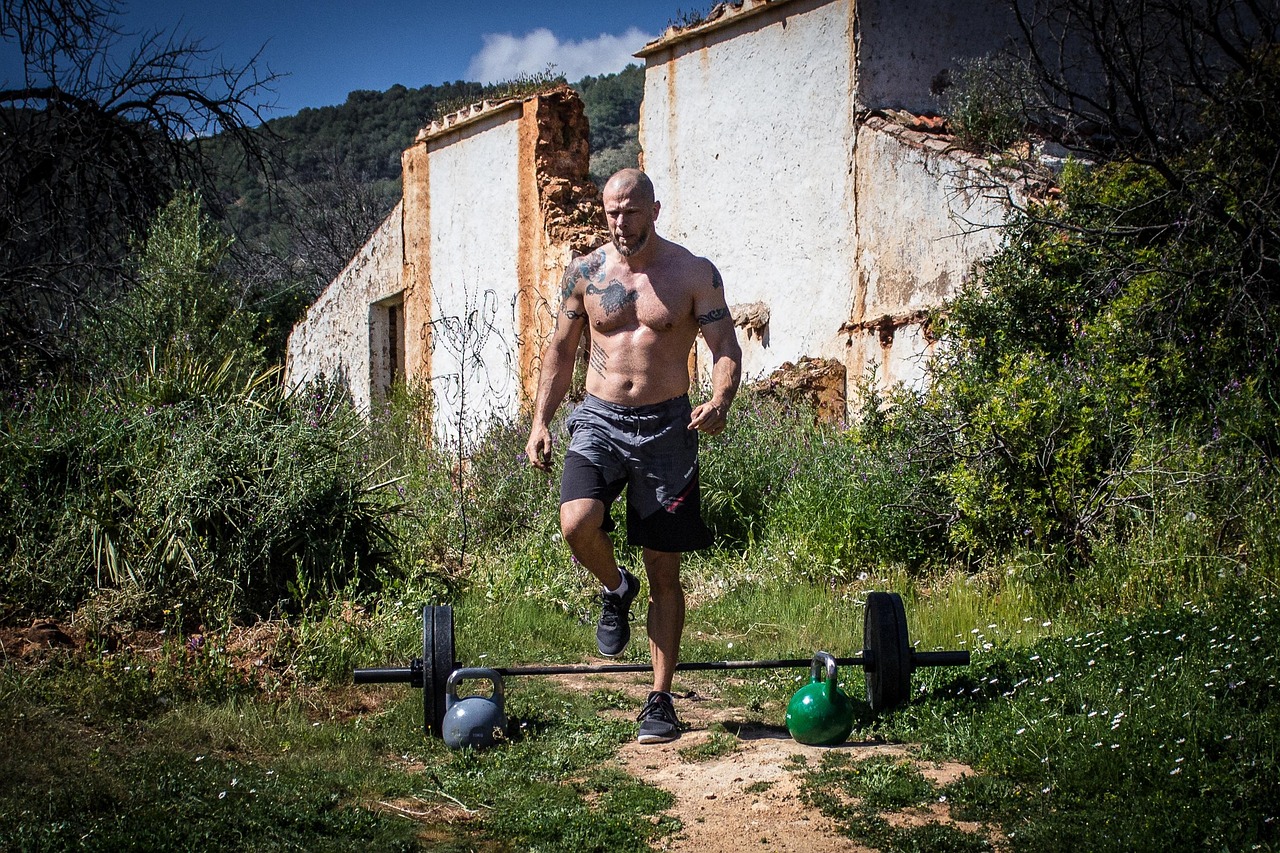

Kettlebell Cool-Down: Best Practices for Beginners
After an intense kettlebell workout, it’s crucial to include a proper cool-down routine. This aids in recovery and helps prevent injuries. Many beginners skip cool-downs, thinking they’re unnecessary, but they offer significant benefits. Start with static stretches that target the muscles used during your workout. Holding each stretch for at least 20-30 seconds is ideal. Focus on areas like the legs, back, and arms. Incorporate breathing exercises to help lower your heart rate and promote relaxation. Stretching not only improves flexibility but also reduces muscle soreness post-workout. If you’re new to kettlebell training, consider joining a class or following expert guidance on cool-down techniques and stretches. Remember, consistency is key in any fitness journey, so make cooling down a non-negotiable part of your routine. Staying hydrated during this time is also wise, as it enhances recovery. Include gentle movements or light cardio if you feel tightness. Therefore, don’t overlook your cool-down; it could be the difference between soreness and a successful recovery.
One effective leg stretch to try is the standing quad stretch. Stand tall and grab your ankle, pulling your heel towards your glutes while keeping your knees together. This stretch helps relieve tension in your quadriceps and hip flexors. Additionally, the seated hamstring stretch is paramount for targeting the back of your legs. Stretch out, keeping one leg straight and bending towards the toes of the extended leg. Another important stretch for kettlebell enthusiasts is the back stretch. Lie on your back, hug your knees close to your chest, and gently rock side to side. This motion releases tension accumulated in your lower back during training. Use a foam roller or a similar tool to roll out knots and tight areas for the ideal recovery experience. Incorporating these stretches improves your mobility over time and enhances your performance in future kettlebell workouts. You’ll notice improvements in form and strength as your body becomes accustomed to these stretches. As a beginner, prioritize these techniques, and your body will thank you in the long run.
The Significance of Mobility Work
Mobility work is an essential aspect of kettlebell training, especially during cool-down sessions. Focused mobility exercises enhance joint function and overall fluidity in movements. Always include some good dynamic stretches to ensure all major joints are covered. Joint circles being a simple yet effective performer. Incorporate shoulder rolls, hip circles, and ankle rotations into your cool-down routine. This not only helps increase range of motion but also prepares you for the next workout session. Moreover, targeting muscle groups that felt tight during the kettlebell workout pays off significantly. For example, incorporate overhead stretches for your shoulders and triceps. Additionally, include your hips as kettlebell swings heavily engage those muscles. Listen to your body and avoid pushing through pain during mobility work; this could lead to injury. A good practice is to keep your movements slow, controlled, and fluid. Doing so can significantly help you gain strength, and flexibility while minimizing tightness. This foundational element benefits your overall fitness and makes your kettlebell workouts much more effective in the long run.
Integrating mindfulness into your cool-down can vastly improve your overall experience and recovery after kettlebell sessions. Embrace breathing techniques, such as deep belly breaths, to lower stress levels and promote relaxation. While holding stretches, focus your thoughts on the muscles worked and how they feel. This approach helps establish a mind-muscle connection and fosters greater awareness of your body. Practicing mindfulness can even lead to improved performance in future kettlebell workouts. Integrate visualization techniques by picturing your goals and how each session contributes to those ends. In doing this, you create a positive mental framework that can inspire progress and adherence to your routine. Pair these practices with soothing music or nature sounds during your cool-down to enhance relaxation. This ambiance allows you to disconnect from the intensity of the kettlebell workout. Also, consider journaling your feelings and progress, which can guide your future workouts. Remember that mental well-being is just as important as physical conditioning, so carve out this time for personal reflection and calming your mind. Balanced workouts lead to more sustainable results.
Hydration and Nutrition Post-Workout
Post-workout recovery requires attention to nutrition and hydration as critical components of your cool-down routine. Replenishing lost fluids should be your first priority. Drink water or electrolyte drinks, especially if you have sweat heavily during your kettlebell workout. Hydration not only improves your recovery speed but also enhances overall performance. Coupled with hydration, consider your nutritional intake. Consume a blend of protein and carbohydrates shortly after finishing your workout. This assists your muscles in recovering effectively and supports growth. A simple post-workout smoothie could comprise fruits, veggies, and protein powder as ideal options. Keep healthy snacks handy, like nuts or yogurt, which are nutrient-dense and perfect for on-the-go individuals. A well-nourished body recovers faster and prepares itself for future workouts. Moreover, tracking your food intake enables better management of your dietary habits. Remember, these habits take consistency and commitment to become second nature. Emphasize balanced meals throughout the day for the best results. Invest time in your post-workout nutrition, as it is just as critical in achieving your fitness goals as the workout itself.
Cool-down styles can vary tremendously based on personal preferences and fitness levels. As a beginner, experiment with a range of techniques until you find what resonates and works best for you. Some may prefer static stretches, while others may lean towards dynamic movements. Personalized routines help keep the cool-down enjoyable and less monotonous. Set up a cool-down playlist filled with your favorite soothing tracks to keep it engaging. Following guided stretching videos can also provide new ideas and promote proper technique, especially as you refine your methods. Engage with your fitness community, whether online or offline, to share experiences with cool-down practices—as these exchanges can yield insightful tips for improvement. Utilizing tools like resistance bands or foam rollers can introduce variety to your recovery routine. Listen intently to your body’s feedback throughout the process. Adapt and adjust your cool-down sessions as you grow and develop in kettlebell training. Building a lasting cool-down habit promotes longevity in fitness. Establishing these practices today gives you a competitive edge as you progress towards your fitness aspirations.
Conclusion: Making Cool-Downs a Habit
Making cool-downs an integral part of your kettlebell training routine is crucial for sustaining long-term fitness gains. Learn to embrace the importance of these recovery practices from the beginning. Focus on how they contribute not just to immediate recovery but also to overall well-being and workout effectiveness. Set reminders, perhaps even create a calendar schedule for your workouts, ensuring you account for sufficient post-workout time. Routines may evolve as you grow stronger and more capable, hence continually revisit your cool-down practices to ensure they support your progress. Collaboration with a fitness coach can also provide vital guidance on how to enhance cool-down techniques specifically suited for kettlebell training. Celebrate small achievements, such as perfecting a stretch or increasing the duration of your cool-down sessions. Keeping your body well-maintained translates directly to gym performance and fitness milestones. Furthermore, revel in the journey of transforming your body and think beyond weight loss or muscle gain. Prioritize holistic well-being as a pursuit of self-care and improved quality of life. As such, embrace your kettlebell cool-downs as the reward they truly are after every intense workout!
After an intense kettlebell workout, it’s crucial to include a proper cool-down routine. This aids in recovery and helps prevent injuries. Many beginners skip cool-downs, thinking they’re unnecessary, but they offer significant benefits. Start with static stretches that target the muscles used during your workout. Holding each stretch for at least 20-30 seconds is ideal. Focus on areas like the legs, back, and arms. Incorporate breathing exercises to help lower your heart rate and promote relaxation. Stretching not only improves flexibility but also reduces muscle soreness post-workout. If you’re new to kettlebell training, consider joining a class or following expert guidance on cool-down techniques and stretches. Remember, consistency is key in any fitness journey, so make cooling down a non-negotiable part of your routine. Staying hydrated during this time is also wise, as it enhances recovery. Include gentle movements or light cardio if you feel tightness. Therefore, don’t overlook your cool-down; it could be the difference between soreness and a successful recovery.