
Seasonal Bike Maintenance: Preparing Your Ride for Winter
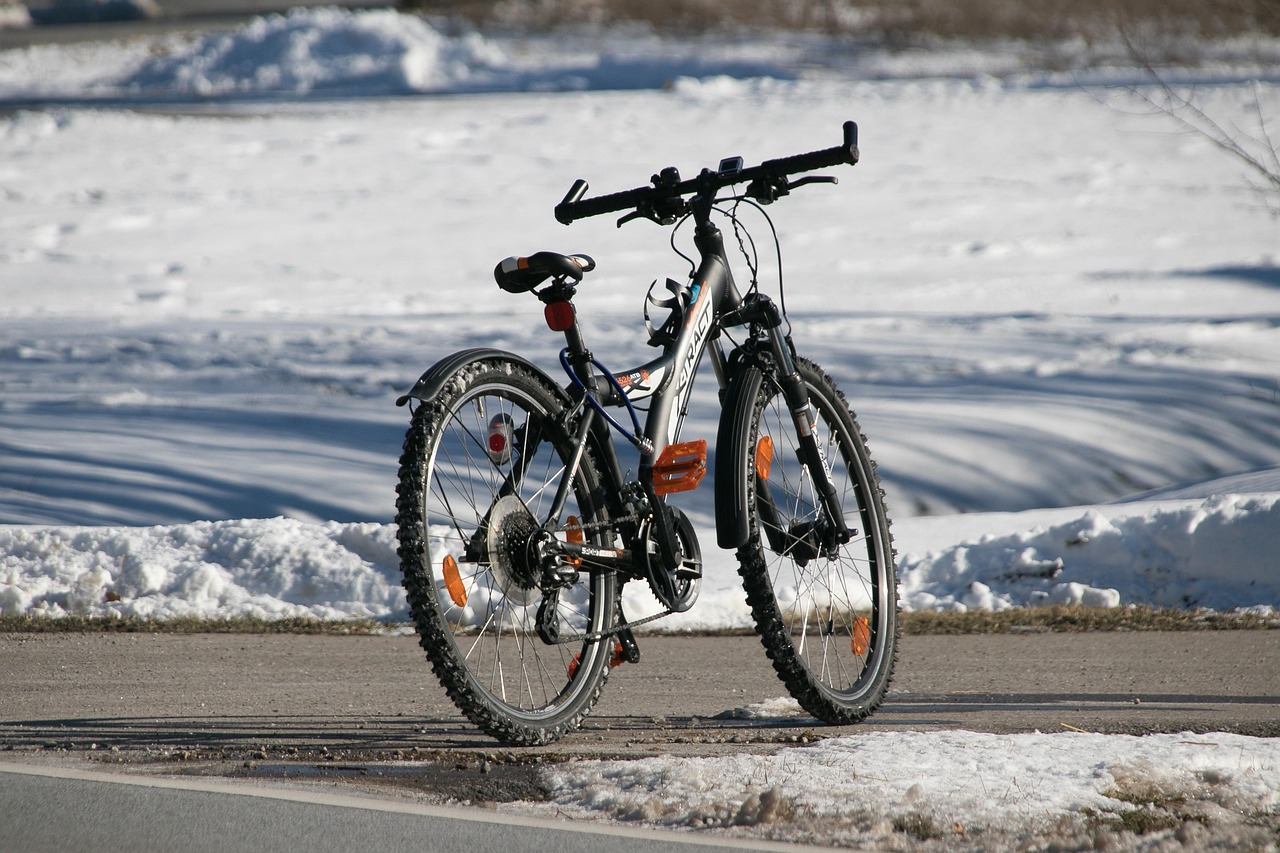
As winter approaches, it’s crucial to perform seasonal bike maintenance to keep your ride performing optimally. Cold weather can impact your bicycle’s components, leading to poor performance if unaddressed. Begin by assessing the condition of your tires; lower temperatures can reduce air pressure, making it essential to keep them inflated properly. Inspect for any wear or damage that could compromise safety. Additionally, consider switching to winter-specific tires, which provide better grip on slippery surfaces. Regularly checking your brakes is fundamental as well; cold weather can cause brake pads to harden, leading to ineffective stopping power. Ensure your brake cables are lubricated and free from rust. Another area to focus on is your drivetrain; keep it clean and well-lubricated to combat rust and degradation from salt and moisture on the roads. Make sure to use appropriate cleaning agents and lube for optimal performance. Lastly, invest time in cleaning your bike thoroughly, paying special attention to the frame, to prevent corrosion and maintain its appearance. Following these steps will help ensure that you ride smoothly through the colder months ahead.
Next, it’s essential to inspect your bike’s battery if it has electric components, such as lights or a pedal assist system. Cold temperatures can reduce battery efficiency, so ensure it’s fully charged and functioning properly. Storing the battery indoors when not in use will help maintain its life. Additionally, check your electrical connections to avoid any short circuits caused by moisture. Furthermore, pay attention to your bike’s gears. Winter riding can introduce grit and dirt into the shifting mechanisms, leading to poor performance. To enhance shifting, visit your local bike shop for a professional tune-up, especially if your bike hasn’t had one recently. This service usually includes adjustments to the derailleurs and cables. You might want to check for any play in the bottom bracket or headset, components that can become more pronounced in colder months. Cycling impatience is common when gears fail to shift as you’d want, so maintaining these elements is key. Regular maintenance will also prolong your bike’s lifespan and ensure your safety as you navigate winter commutes with confidence and efficiency.
Treating Your Bike Main Components
When discussing seasonal bike maintenance, don’t neglect your bike’s main components. The handlebars and saddle must be adjusted for comfort, especially if you have dressed in layers for warmth. Make sure that your grips are comfortable and not slippery, as this can become dangerous when navigating icy conditions. If your grips show signs of wear, consider replacing them with grips designed for winter conditions. Check your saddle for any signs of damage or wear that could impact your comfort during longer rides. Lubrication is vital—grease or oil the seat post to prevent it from sticking, which is particularly important when cycling in wet conditions. A stuck seat post can be a nuisance and can lead to serious discomfort. After adjustments, take your bike for a short ride to ensure that everything feels just right. Lubricate areas where necessary while being careful not to over-apply as that may attract more dirt. Taking the time to ensure your bike’s main components are properly maintained can drastically improve your riding experience during winter months, making your future rides safer and more enjoyable.
Winter often leads to poor visibility, so don’t forget about safety gear! Cycling in low-light conditions requires appropriate lighting equipment. A powerful front light and a red rear light are essential for ensuring that you’re seen by motorists and pedestrians. Invest in lights that have a good battery life and consider those with flashing modes for added visibility. Furthermore, consider wearing reflective clothing to enhance your presence on the road. In addition to lights, wearing a bright-colored jacket can aid in visibility, especially during cloudy days when daylight is limited. Besides clothing, wearing gloves with good grip is vital for maintaining control, particularly when dealing with cold, potentially numb hands. It’s essential to have a quality helmet that fits properly, offering protection in case of any mishaps that can occur on slippery roads. Lastly, always carry basic tools, such as a multi-tool, a spare tube, and a pump, so you are equipped to handle minor repairs or breakdowns even in adverse winter conditions. Together, these measures ensure that you remain visible and protected during your winter rides, allowing you to navigate safely through the season’s challenges.
Storage and Protection
Proper storage of your bike also plays a significant role in winter maintenance. Ideally, bikes should be stored indoors to prevent exposure to the elements, which can cause rapid deterioration. If indoor storage isn’t an option, covering your bike with a waterproof cover is effective in providing a first line of defense against snow and rain. When parking your bike in public spaces, secure it properly to avoid theft, particularly during shopping trips or other outings. Even though winter is generally the off-season for many cyclists, you should also ensure that your tires are sheltered from prolonged wetness by using stands or hooks. Additionally, regularly wipe down your bike after each use to remove moisture and grime, which can speed up corrosion. Becoming diligent about your bike’s cleanliness can enhance its aesthetics and longevity. Take care to ensure that cables and mechanical components are not exposed to direct moisture. Lastly, consider investing in a good quality bike lock for outdoor storage, as maintaining the integrity of your bike while it’s not in use is crucial to its long-term viability and your peace of mind.
Furthermore, staying informed about local weather conditions is essential for any cyclist. With changing weather patterns, there may be days when it’s unsafe or irresponsible to ride. Sticking to a routine that includes checking forecasts will help you avoid unexpected storms or icy conditions. Use weather apps or websites that offer reliable and real-time information related to precipitation and temperature. Additionally, develop a backup plan for transportation on days when cycling is unsafe. Whether it’s using public transportation or ridesharing, having alternative options will reduce stress when inclement weather occurs. However, on days when conditions are suitable for cycling, be prepared for icy patches and always ride cautiously. If necessary, consider altering your route to utilize less-trafficked roads that may be clearer of snow or ice. Being strategic in your planning can make a significant difference in your overall winter cycling experience. Make a habit of adapting your riding behavior to changing conditions and being vigilant about safety will help ensure that your winter rides are both enjoyable and safe throughout the season.
Encouraging Regular Maintenance Habits
Establishing a routine maintenance schedule is vital for keeping your bicycle in optimal condition. Regular check-ups and maintenance should be part of every cyclist’s regimen, especially as the seasons change. Consider setting reminders on your calendar for tasks like cleaning and lubricating your bike, checking tire pressure, and inspecting brakes. Adopting consistent habits leads to better bike performance and reduces the likelihood of major breakdowns, which often occur due to neglect. You might also want to explore classes or workshops offered by local bike shops to broaden your knowledge of bicycle maintenance. Enhancing your skills can empower you to take better care of your bike yourself. Even watching tutorial videos online can yield valuable insights on common repairs and maintenance techniques. Engaging with the cycling community, whether through forums or local clubs, can also be beneficial, as others can share experiences and tips. Moreover, by regularly investing time into your bike’s maintenance, you’ll build a closer bond with your ride. Ultimately, a well-maintained bike will provide a more enjoyable experience, making it feel like an extension of yourself and ensuring that every trip is pleasant and hassle-free.
In conclusion, preparing your bike for winter is an essential step every cyclist should take seriously. As winter elements can pose challenges, a well-maintained bike is key to ensuring safety during rides. By following the outlined maintenance practices, cyclists can enhance performance, increase longevity, and ensure their rides remain enjoyable throughout the cold months. From checking tire pressure to investing in quality lighting, each detail plays an integral role in the biking experience. Remember to prioritize safety by adopting visibility measures and regularly inspecting crucial components. Engaging in community discussions or seeking professional help can also provide insight and valuable tips. Build and maintain a healthy relationship with your bike through continuous care and maintenance. Doing so not only ensures you are prepared for winter rides but sets a solid foundation for enjoyable cycling in all seasons. Keeping informed on the specific needs for winter maintenance can build your confidence and preparedness. Ride safe and embrace the winter landscape while enhancing your skill set as a responsible cyclist, transforming winter biking into a rewarding endeavor rather than a chore.