
Techniques for Surgical Management of Sports Hernias
Sports hernias, or athletic pubalgia, are complex injuries affecting athletes, especially those involved in sports with sudden directional changes. Traditional diagnostic challenges make it difficult to treat effectively. Various surgical techniques aim to resolve the pain and restore function. Among the options, laparoscopic repair has gained attention due to reduced recovery times and less postoperative pain compared to open surgery. This minimally invasive approach often utilizes mesh to provide additional support to the weak area. In addition, precise techniques can help reconstruct the inguinal canal, which is pivotal for athletes’ return to competitive sports. Surgeons utilize advanced imaging techniques, such as ultrasound and MRI, to assist in diagnosis, aiding in tailoring the surgical approach. Accurate findings pave the way for more successful outcomes. Surgeons must stay updated on evolving techniques, understanding the importance of rehabilitation post-surgery, ensuring overall success in treatment. The primary goal of surgical intervention is not just to alleviate pain but to restore athletic performance, enabling athletes to return to their prior level of activity without restrictions. The following paragraphs will delve into specific surgical methods employed in managing sports hernias.
Understanding Surgical Techniques
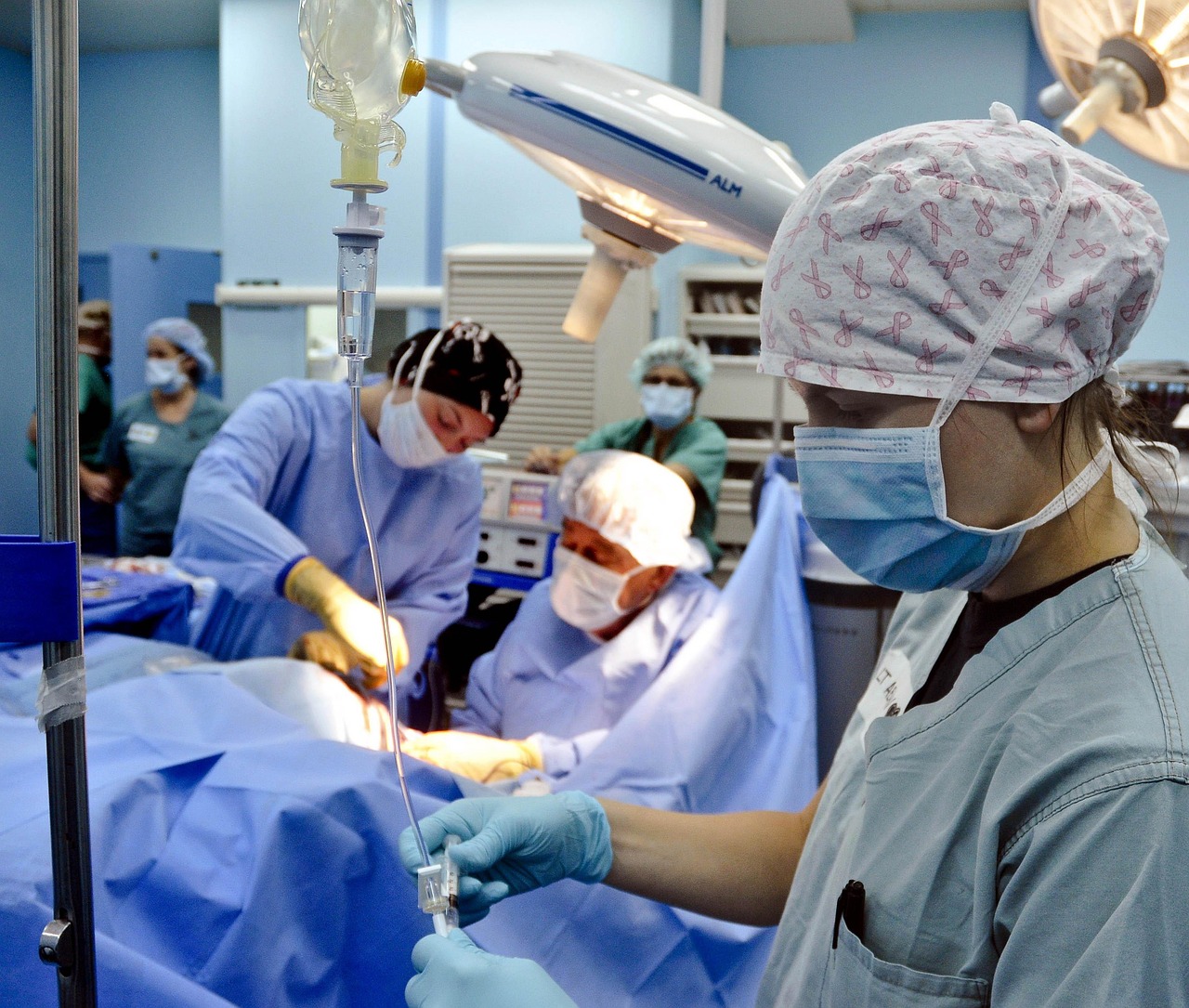
Two primary surgical techniques are commonly employed in the surgical management of sports hernias: the open repair technique and the laparoscopic approach. The open repair involves making a larger incision and physically accessing the affected area. This method allows for direct visualization, enabling thorough repair but may result in a longer recovery time and more postoperative pain. Alternatively, the laparoscopic technique features smaller incisions and is often preferred due to its minimally invasive nature. Surgeons employ specialized instruments through these tiny incisions, resulting in reduced tissue trauma and, consequently, lower pain levels. Additionally, laparoscopic repairs typically allow patients to resume normal activities faster than traditional methods. The choice between these techniques hinges on various factors, including the specifics of the injury, the athlete’s overall health, and their functional demands. Some surgeons may also use a hybrid approach, combining aspects of both techniques to optimize outcomes. Careful consideration leads to choosing the appropriate surgical intervention, which can significantly impact an athlete’s recovery trajectory and overall experience throughout the postoperative timeline.
Postoperative rehabilitation is critical for the successful recovery of athletes following surgical management of sports hernias. An effective rehabilitation program must begin as soon as feasible, focusing initially on restoring range of motion and gradually progressing to strength training. Physical therapists design individualized programs tailored to each athlete’s needs and sport-specific demands. Early mobilization can help prevent complications like stiffness and atrophy. Functional exercises should emphasize stability and control, addressing any muscular imbalances contributing to the original injury. As athletes progress, sport-specific drills can be introduced to simulate the demands of their particular sport, fostering both strength and confidence. Continuous monitoring through follow-up sessions ensures that the rehabilitation efforts remain aligned with the athlete’s recovery status and goals. Rehabilitation protocols may also utilize modalities like ultrasound, electrical stimulation, or cryotherapy to enhance healing. Moreover, communication between the surgical team, athletic trainers, and physical therapists is essential to create a cohesive recovery strategy. This collaborative effort significantly aids athletes in their transition back to competitive levels, minimizing the risk of re-injury while maximizing performance capabilities.
Complications after surgery for sports hernias, though infrequent, can seriously impact recovery timelines and overall athlete outcomes. Identifying and addressing potential postoperative complications remain vital components of the surgical process. Infections can emerge from any surgical procedure, leading to prolonged recovery and increased pain. Other considerations include hematomas, seromas, or nerve injuries that may arise due to surgical manipulation. Some patients experience chronic pain that can hinder their return to sport. Surgeons should take care to mitigate risks by adhering to proper surgical techniques, offering thorough pre-operative education to patients, and ensuring comprehensive postoperative monitoring. Regular follow-ups play a key role in identifying any complications early, allowing for timely intervention. Athletes and coaches should be educated regarding the signs and symptoms of complications. In cases where conservative management is ineffective, further interventions might be warranted. Understanding these potential complications helps athletes set realistic return-to-play timelines while fostering awareness to ensure optimal recovery. The overall goal remains a successful surgical outcome that facilitates athletes’ return to their sports without enduring lingering pain or restrictions.
Athlete-Centric Considerations
Individual factors also influence the decision-making process surrounding surgical management for sports hernias. Every athlete possesses unique anatomical and functional characteristics that must inform treatment protocols. Preoperative assessment includes a thorough evaluation of the athlete’s sport, position, and functional demands, ensuring that the surgical approach aligns with their specific goals and lifestyle. Additionally, psychological factors such as the athlete’s mental resilience and motivation may impact their recovery trajectory. Collaborating with sports psychologists can help address these aspects, maintaining a positive outlook and enhancing overall recovery. Surgeons must also consider pre-existing conditions or past injuries that may influence surgical outcomes and rehabilitation strategies. The athlete’s age and physical fitness level are also critical factors, as younger athletes may have better healing capacity. Tailoring surgical interventions to meet an athlete’s unique needs enhances satisfaction with outcomes and improves the likelihood of a successful return to play. All stakeholders, including coaches, trainers, and healthcare professionals, must contribute to a holistic approach during recovery, reinforcing the importance of individualized care throughout the surgical process.
Returning to play after surgery for sports hernias requires a systematic approach to evaluate readiness and minimize re-injury risks. The decision should be guided by collaborative discussions between the surgeon, physical therapist, and athletic trainer. Functional testing plays an essential role in determining whether an athlete has regained adequate strength and endurance to participate in sport. Challenges such as agility drills, sprinting, and sport-specific movements help assess recovery and readiness effectively. Furthermore, considering the athlete’s subjective experience of pain and comfort is crucial, as it can provide valuable insights into their readiness to return. Establishing clear criteria for return-to-play reduces the risk of premature resumption of activity, protecting athletes from setbacks or re-injury. A phased return is often recommended, transitioning from controlled environments to competitive settings and minimizing the initial intensity of participation. Continuous assessment during this phase helps gauge performance without overexertion. With proper planning and medical oversight, athletes can return to their sport confidently, sustaining the functional and competitive levels necessary for success.
Future Directions in Surgical Techniques
The field of surgical techniques for treating sports hernias is continuously evolving, driven by advancements in technology and research. Innovations such as robotic-assisted surgical approaches promise enhanced precision and reduced recovery times. Laparoscopic tools are also becoming more sophisticated, allowing surgeons to conduct intricate repairs with improved visualization. Continued research into the biomechanics of sports hernias will promote deeper understanding and more effective interventions, paving the way for new treatment modalities. Additionally, the role of biological therapies, like platelet-rich plasma, is gaining traction, potentially enhancing healing after surgery. Education and training for surgeons around these evolving techniques remain crucial, creating a skilled workforce ready to implement best practices in surgical management. Ongoing clinical trials can elucidate the optimal approaches, providing evidence-based guidelines for practitioners and ensuring patient safety. Collaborations across multiple disciplines within sports medicine will yield valuable insights into preventing sports hernias and improving postoperative care. The future holds immense potential for enhancing surgical outcomes, enabling athletes to recover swiftly and efficiently while returning to their beloved sports.
In conclusion, the surgical management of sports hernias encompasses a variety of techniques, each designed to address the unique challenges posed by these complex injuries. The ongoing evolution of surgical approaches reflects the commitment within sports medicine toward optimizing outcomes for athletes. Effective communication among surgeons, physical therapists, and athletes ensures cohesive strategies, fostering a comprehensive understanding of the treatment trajectory from surgery to rehabilitation. While the surgical interventions vary, the ultimate goal remains clear: restoring athletes to their optimal performance levels while minimizing the risk of complications and re-injury. Through tailored approaches and enhanced recovery protocols, athletes can expect better outcomes, leading to full participation in their respective sports. The emphasis on individualized surgical planning and postoperative care sets the stage for future advancements benefiting both surgical practices and athletic performance. As the field continues to innovate, it inspires confidence among athletes and sporting communities. This collaborative effort and evolving understanding not only advance surgical techniques but also enhance the well-being of athletes facing sports hernias, paving the way for more successful treatments and enhanced recovery experiences.