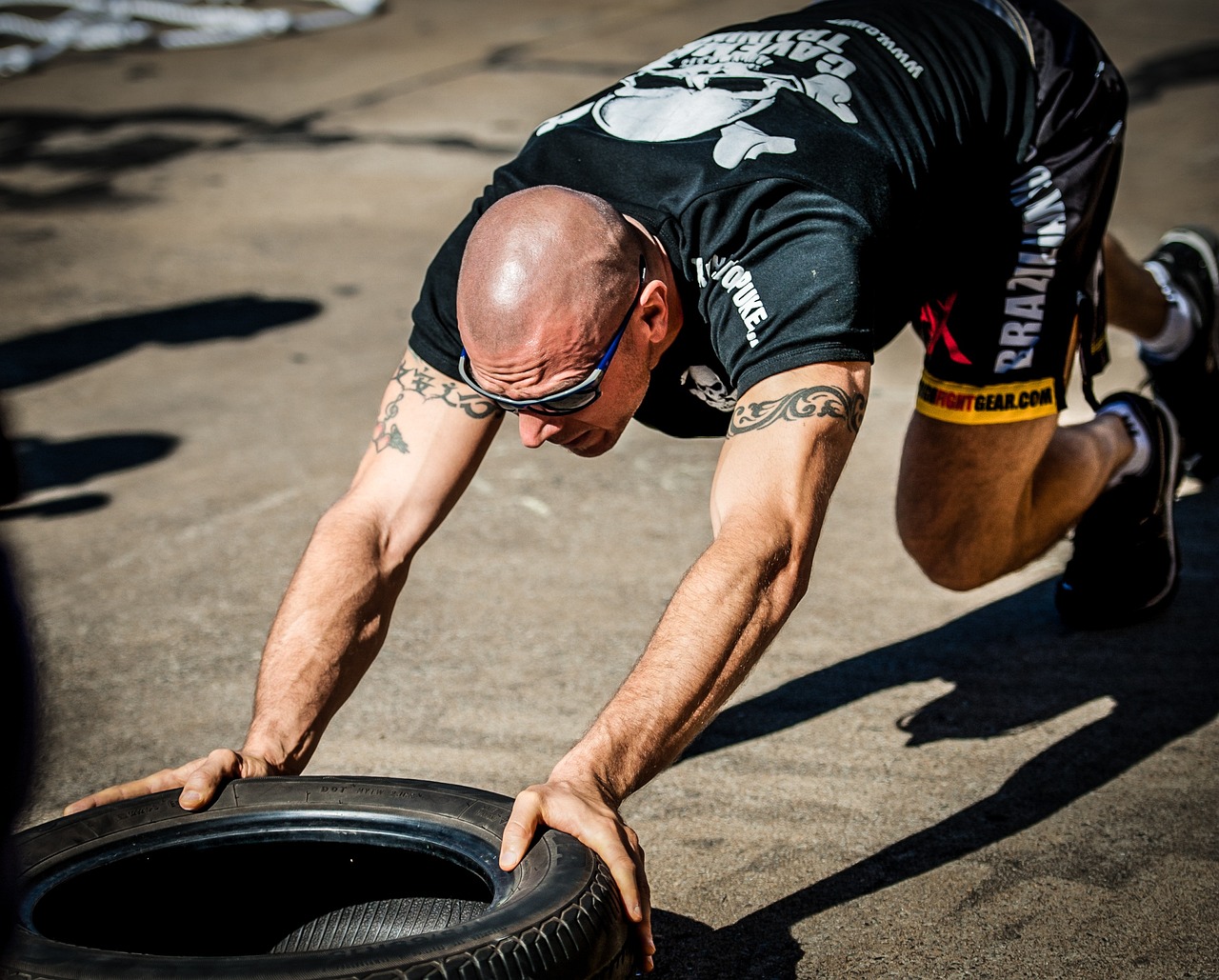

The Benefits of Functional Training for Beginners
Functional training is increasingly gaining attention, especially for beginners eager to improve their overall fitness. Unlike traditional workouts that focus on isolated muscles, functional training emphasizes movements that mirror everyday activities. This approach helps enhance your ability to perform daily tasks more efficiently. Utilizing compound movements, such as squats and lunges, engages multiple muscle groups simultaneously. These exercises not only improve strength but also enhance coordination and balance. It’s vital for beginners to understand that functional training can lead to noticeable improvements in performance, making tasks like climbing stairs or lifting objects easier over time. Additionally, this type of training often incorporates stability challenges, developing core strength and aiding in injury prevention. With an approachable learning curve, beginners can gradually build their skills and confidence. Functional training is often adjustable to varied fitness levels, providing a safe environment to evolve your abilities. In summary, a commitment to functional training can transform the way beginners engage with their bodies, promoting long-term wellness and enjoyment of physical activities.
One significant benefit of functional training for beginners is its focus on enhancing mobility and flexibility. By incorporating dynamic movements and stretches, practitioners can expect improved range of motion around their joints. Increased flexibility not only helps reduce the risk of injuries but also contributes to better posture. Proper alignment of the body is essential for long-term health and functional training helps achieve this by emphasizing body mechanics. Furthermore, routine practice can promote muscle elasticity over time, allowing for greater agility in daily activities. Beginners often report feeling more liberated in their movements, able to bend, twist, and reach with enhanced ease. Another crucial aspect of mobility development includes improved circulation throughout the body. When blood and oxygen flow efficiently, individuals experience increased energy and vitality. This heightened sense of well-being often motivates beginners to stay consistent with their fitness routines. Enhanced flexibility and mobility will lead to a more active lifestyle and encourage individuals to try new activities. Engaging in functional training practices, therefore, lays a solid foundation for a lifetime of health and fitness. Ultimately, learning these essential skills pays dividends beyond the gym, positively impacting day-to-day living.
Another important aspect of functional training is its versatility. This fitness approach can easily be tailored to cater to every individual’s unique needs. Since functional training focuses on overall body movements rather than isolated exercises, beginners can modify workouts to match their capabilities. Would you prefer outdoor workouts or gym sessions? Functional training can be performed in various settings, accommodating different preferences. Moreover, equipment options range from free weights to resistance bands or even bodyweight routines. This adaptability allows beginners to choose what feels most comfortable while simultaneously challenging themselves. In addition, functional training can be easily integrated with other forms of exercise. For instance, beginners can combine strength training, cardiovascular workouts, and flexibility drills. This multifaceted approach not only prevents workout monotony but also addresses comprehensive health and fitness needs. The ability to adjust intensity, duration, and frequency of workouts based on personal goals further promotes adherence to exercise. As a result, beginners can stay motivated while progressing in their fitness journey. It fosters an encouraging environment where individuals are more likely to stick with their training programs long-term, gaining substantial results.
Building Effective Strength
Strength building is often a primary goal for individuals beginning their fitness journeys. Functional training, with its focus on compound movements, can effectively enhance strength in a balanced manner. This approach engages muscle groups that work in tandem, rather than promoting imbalances that could lead to injuries. For beginners, building functional strength translates to improved daily activity performance. By integrating essential movement patterns such as pushing, pulling, squatting, and twisting into workouts, beginners develop strength necessary for real-life situations. Consequently, individuals find themselves better equipped for a range of tasks, making everyday activities less strenuous. Additionally, the skills learned in functional training can accelerate progress when lifting heavier weights or engaging in sport-specific training later on. Benefits extend also to joint stability, as strong muscles provide support for the joints. A well-rounded strengthening program will cultivate a robust foundation, reducing the likelihood of injury during physical activities. Furthermore, this alignment with natural movement patterns fosters a sense of accomplishment for beginners, motivating them to continue their fitness pursuit. Ultimately, the strength gained from functional training will serve beginners well as they advance their fitness capabilities.
One of the lesser-known advantages of functional training is its positive impact on mental well-being. Engaging in physical activities promotes the release of endorphins, commonly known as ‘feel-good’ hormones. With this improved mood state, beginners often experience heightened motivation to invest in their training routines. Moreover, developing functional skills also leads to improved self-confidence. As beginners learn how to efficiently perform various movements, they recognize their progress over time, which fosters a strong sense of accomplishment. Such confidence is valuable for encouraging persistence in their fitness journey. Social connections can also be a crucial element within functional training environments. Working out in groups or with a partner can enhance enjoyment and support personal accountability. This camaraderie can further assist beginners in overcoming challenges associated with their training, cultivating a sense of belonging in the fitness community. Additionally, these positive experiences can extend beyond the gym, influencing other areas of life. When individuals feel empowered through physical fitness achievements, they often embrace challenges in work or personal settings. In summary, functional training can significantly improve mental health, leading to overall sustained well-being.
Functional training effectively encourages a holistic approach to fitness, incorporating all dimensions of health: physical, mental, and emotional. By engaging in diverse and dynamic movement patterns, beginners foster overall body awareness and strengthen the mind-body connection. This harmonious relationship enhances the awareness of bodily cues, promoting more mindful choices regarding nutrition and lifestyle later on. Furthermore, functional training covers numerous fitness components such as agility, endurance, strength, and flexibility, providing a well-rounded foundation for overall health. Beginners benefit from engaging these different elements, optimizing their workouts and avoiding stagnation. Additionally, improved coordination and balance contribute to success in other physical activities and competitions. By placing an emphasis on practical movements, individuals develop skills transferable to various daily situations. This adaptability translates into better engagement in recreational, work, and even sports-related endeavors. Ultimately, students can expect to overcome fitness plateaus through ongoing functional training principles and adaptations to their routines. As individuals cultivate various fitness skills in a cohesive manner, they often feel empowered and resilient, which shapes a positive and sustainable attitude towards health. Functional training successfully prepares beginners for an integrated lifestyle focused on lasting fitness.
Empowering Long-term Fitness
Lastly, functional training fosters a lifelong commitment to fitness by instilling essential habits that support healthy living. Beginners often appreciate the functionality and practical benefits of this training approach, leading to greater adherence to their routines. When individuals witness the real-world applications of improved fitness, they become motivated to stay consistent with their workouts. These lasting changes serve to enhance both their physical and mental well-being, consequently extending commitment beyond short-term goals. Additionally, with consistent practice, beginners learn valuable skills for setting and pursuing personal fitness objectives effectively. This accomplishment promotes a sense of empowerment as well as self-discipline, contributing to broader life successes. Engaging regularly in functional training cultivates a summarized fitness mantra that resonates with participants: Fit for Life. It reinforces the idea that fitness should not be an isolated endeavor but rather an ongoing part of daily living. Knowledge gained through functional training often translates into better decision-making in various aspects of life, such as sleep, nutrition, and stress management. As beginners establish these essential habits, they create a lifestyle reflecting their commitment to health, assuring that personal growth continues throughout their lives.
In conclusion, the comprehensive benefits associated with functional training for beginners are vast and profound. Not only does it cater to the essential movement patterns for improved daily function, but it also supports an adaptable, holistic approach. Through functional training, individuals can boost their strength, enhance mobility, foster mental well-being, and build long-lasting fitness habits. It empowers participants to face challenges in various aspects of their lives, promoting resilience and an overall sense of accomplishment. This training approach instills a desire for continuous growth, encouraging beginners to embrace the journey toward lasting wellness. Therefore, by committing to functional training, beginners can unlock their potential—both physically and mentally. The benefits can culminate in a richer, more fulfilling quality of life, where movement becomes as seamlessly integrated as breathing. Ultimately, the community and support generated within functional training environments serve to inspire individuals, motivating lifelong engagement with health and fitness practices. Everyone can benefit from adopting a functional training regimen tailored to their needs. With a commitment to functional training, beginners can expect an uplifting transformation of mind, body, and spirit, leading them to a healthier, happier life.