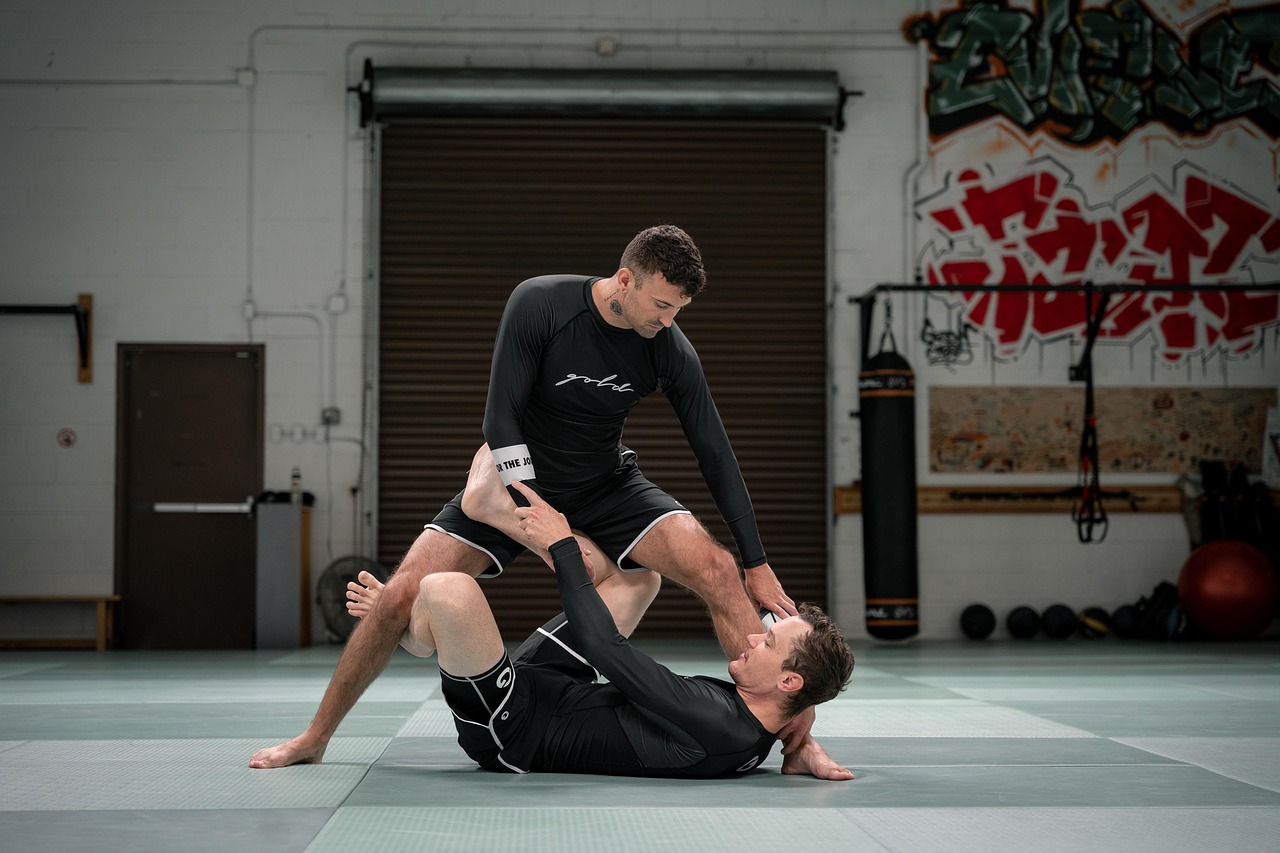

The Role of Brazilian Jiu-Jitsu in Mixed Martial Arts (MMA)
Brazilian Jiu-Jitsu (BJJ) is a martial art that focuses on ground fighting and submission grappling. Originating from Japan’s Jujutsu, it emphasizes the skill of using leverage and technique, allowing smaller practitioners to effectively defend themselves against larger opponents. BJJ gained significant popularity in the 1990s, particularly in the United States, largely due to its inclusion in the early stages of Mixed Martial Arts (MMA) competition. The art teaches practitioners how to control and submit opponents through holds, chokes, and joint locks, making it an invaluable asset in MMA. Fighters trained in BJJ have shown increased success in MMA due to their grappling skills, which often give them a distinct advantage on the ground. With the ability to neutralize an opponent’s attacks while looking for submission opportunities, BJJ practitioners are often able to dictate the pace of fights. Effective BJJ can wear an opponent down, making it a crucial component of modern MMA. Additionally, the strategic aspects of BJJ training cultivate a fighter’s understanding of distance, timing, and positioning. This makes BJJ a staple in the training regimen of most elite MMA competitors.
Incorporating BJJ into an MMA strategy enhances performance significantly. Fighters often start their careers specializing in striking disciplines, yet they quickly realize the importance of grappling. Many famous MMA champions, like Anderson Silva and BJ Penn, attribute part of their success to their BJJ backgrounds. Knowledge of BJJ allows fighters to excel in takedowns, submissions, and ground control. This proficiency enables them to dictate how their fights unfold, increasing their chances of victory. BJJ emphasizes positional awareness, ensuring that fighters can escape bad situations on the ground. Competitors leveraging BJJ dictate engagements through effective guard play, effortlessly transitioning between positions while seeking submissions. This flexibility in grappling is paramount in MMA, where fighters can benefit from securing takedowns that lead to ground dominance. Moreover, BJJ teaches practitioners to remain calm under pressure, a vital skill used to navigate hostile environments. It enhances mental fortitude, confidence, and adaptability. The ability to stay composed while grappling with an opponent creates a strategic edge during intense confrontations. Consequently, BJJ’s role in MMA underscores its value among various fighting styles in combat sports today.
Technical Advantages of Brazilian Jiu-Jitsu
One distinctive advantage of BJJ is its focus on technique over brute strength. Fighters trained in Brazilian Jiu-Jitsu learn to exploit an opponent’s weaknesses while using their own leverage efficiently. This is critical during grappling exchanges in MMA, where the art emphasizes maintaining advantageous positions. Techniques such as the mount or back control are vital in securing dominant positions in fights. Practitioners spend countless hours on the mat honing these fundamental skills, ensuring they can apply what they’ve learned in real-world scenarios. Moreover, BJJ incorporates various drills designed to improve a fighter’s reflexes and reaction times, translating these skills into the octagon efficiently. The use of submissions is fundamental in MMA, enabling fighters to finish fights rather than relying solely on judges’ decisions. Each submission attempt presents an opportunity to force an opponent into a vulnerable position. This can frequently lead to quick finishes, which is integral in maintaining relevance in competitive fights. Success in grappling exchanges can wear down even the most physically imposing opponents, embracing Brazilian Jiu-Jitsu’s core principles of efficiency and softness.
BJJ’s emphasis on adaptability is particularly beneficial in MMA, where strategies often shift. Fighters can seamlessly transition between striking and grappling, providing an all-encompassing fighting style. This versatility showcases why many MMA fighters integrate BJJ into their skill sets. As MMA continues to grow, understanding how to manage various ranges during fights has become increasingly crucial. BJJ techniques promote this understanding and allow fighters to create openings for striking or grappling maneuvers. An adept understanding of ground intricacies promotes an effective game plan, where fighters can capitalize on opponents’ mistakes. Additionally, BJJ practitioners possess the capability to escape dangerous submissions while seamlessly applying their techniques under pressure. This adaptability ensures they can defend against various opponents effectively, countering styles and employing strategies accordingly. Competitors featuring a solid BJJ background also understand submission grappling’s pacing. Their proficiency allows fighters to push fights into unpredictable territories, disrupting many foes’ game plans. This factor is increasingly integral to achieving victories in contemporary MMA, where grappling becomes a deciding factor in competitiveness.
Community and Culture of Brazilian Jiu-Jitsu
The Brazilian Jiu-Jitsu community fosters a unique culture that emphasizes mutual respect among practitioners. This environment facilitates training partnerships vital for improvement and growth. Training sessions often involve sparring with various styles, promoting a universal understanding of techniques. Mixed martial artists who learn BJJ also become part of an extended family, forming bonds that transcend traditional sportsmanship. The culture encourages rolling with different partners, creating diverse training experiences while enhancing grappling skills. This aspect aids fighters in developing vital improvisational skills, essential during unpredictable fight situations. Brazilian Jiu-Jitsu schools often host seminars, competitions, and social events, gathering diverse communities. Such gatherings promote broader experiences while fostering camaraderie. This culture teaches fighters the importance of dedication, humility, and perseverance, forming strong character traits beneficial far beyond martial arts. Surrounded by like-minded individuals, practitioners cultivate lifelong friendships and support systems that assist in their combat sports journeys. Additionally, the ethos of learning from every experience resonates deeply in MMA training regimens. The Brazilian Jiu-Jitsu lifestyle promotes mental resilience and encourages fighters to embrace the journey, ultimately shaping better combat athletes.
The evolution of Brazilian Jiu-Jitsu within MMA continues to shape the sport’s landscape. As fighters recognize the significance of grappling prowess, they increasingly prioritize BJJ training in their preparations. Innovative techniques regularly emerge, demonstrating BJJ’s adaptability and relevance. This dynamism contributes to MMA’s ever-changing strategies and styles, maintaining its allure for audiences worldwide. Furthermore, prominent grapplers frequently shift to striking sports, showcasing their skills by integrating BJJ principles within striking arts. This cross-disciplinary growth expands the horizons of MMA as fighters train in various styles. Collective advancements within BJJ, alongside evolving MMA, highlight the importance of continuous learning and adaptability. Competitors strive to refine their skills while experimenting with new training methodologies, keeping their arsenals diverse. The art’s unending depth allows practitioners to keep learning as they rise through rankings. As Brazilian Jiu-Jitsu persuasively shows the impact of its techniques in MMA, its relevance remains undeniable. Consequently, the impact of BJJ will likely continue influencing mixed martial arts athletes well into the future, showcasing a blend of history, tradition, and innovation.
Conclusion
In conclusion, Brazilian Jiu-Jitsu has firmly established itself as a foundational element in mixed martial arts. Its principles of leverage, technique, and adaptability empower fighters, ensuring competition remains fiercely strategic. The art transcends mere physical training, fostering significant growth and resilience among practitioners. By blending tradition with modern fighting landscapes, BJJ cultivates fighters skilled in grappling and adaptable in various contexts. As audiences witness the emergence of innovative techniques and strategies, the impact of Brazilian Jiu-Jitsu continues to resonate throughout MMA. Future champions will undoubtedly credit their success to BJJ’s influence in making decisive wins, ensuring its significance in martial arts. As more athletes embrace BJJ training, we can anticipate exciting developments within MMA, further intertwining the disciplines. While grappling is foregrounded, the importance of striking knowledge grows in tandem, emphasizing holistic training. Fostering a strong BJJ community serves to support fighters at every level, promoting a culture of continuous growth. Ultimately, Brazilian Jiu-Jitsu plays an integral role in shaping the future of mixed martial arts, blending skills, strategies, and communities to define today’s premier combat sport.
As we move forward, the interplay between Brazilian Jiu-Jitsu and MMA will remain a fascinating subject for analysis and study. As new generations of fighters emerge, blending techniques from various disciplines results in an evolving combat landscape. Brazilian Jiu-Jitsu will retain its central position as fighters recognize its incredible effectiveness in grappling scenarios.