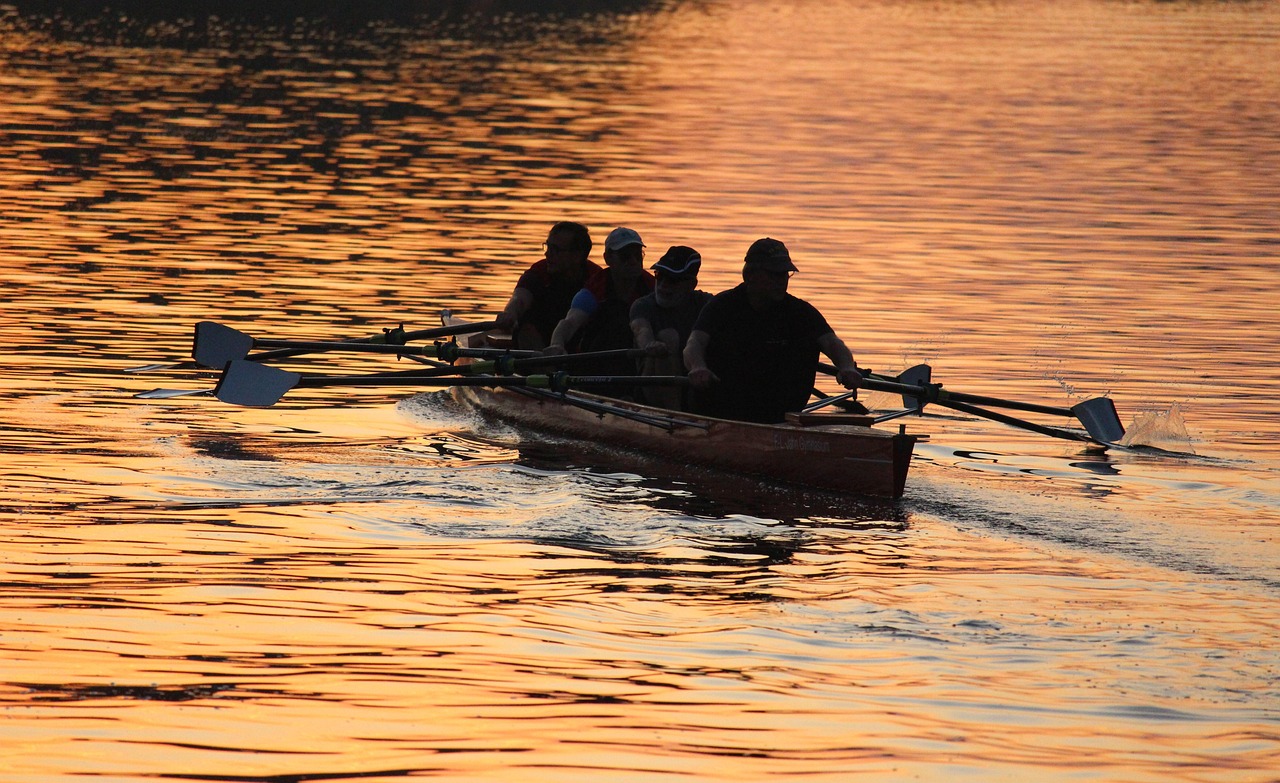

The Role of Rowing Associations in Promoting the Sport Globally
Rowing associations play a pivotal role in promoting the sport on a global scale, connecting enthusiasts and fostering a love for rowing. These organizations frequently host events, competitions, and training sessions that bring both novice and experienced rowers together. They provide a structured framework that supports athletes at all skill levels. Through designated programs, these associations facilitate access to coaching resources, equipment, and facilities, ensuring aspiring rowers can pursue their passion. Additionally, associations often collaborate with educational institutions to promote rowing as a viable sporting option for students. They aim to include diverse communities and encourage participation regardless of background or ability. This commitment to inclusivity enhances the sport’s appeal, ensuring that rowing reaches a broader audience. Furthermore, they utilize social media campaigns to raise awareness about rowing and its benefits. These campaigns promote events and highlight successes, helping to develop a stronger rowing community. Overall, by advocating for better resources and promoting events globally, rowing associations serve as a crucial driving force in the expansion of the sport, inspiring countless individuals to embrace rowing as a lifelong adventure.
In addition to cultivating local talent, rowing associations are instrumental in elevating the sport’s global visibility. They work tirelessly to organize international competitions, which not only showcase elite athletes but also stimulate interest among potential newcomers. Hosting events like World Championships and Olympic qualifiers allows rowing to gain traction on a global platform. These high-profile competitions often attract media coverage, which plays a vital role in showcasing the sport’s excitement and athleticism. This increased visibility contributes directly to greater funding and sponsorship opportunities for clubs and athletes alike. Moreover, associations often engage in outreach programs that target underrepresented communities, particularly in countries where rowing is less established. These initiatives can be transformative, empowering local communities through sport while fostering a competitive spirit. Besides grassroots efforts, associations also advocate for better facilities and accessibility in rowing. By lobbying local governments for support, they seek to ensure that future generations have access to rowing despite geographical or economic barriers. Ultimately, the proactive engagement of rowing associations in these essential activities ensures the sport remains relevant and accessible, allowing it to flourish in diverse environments.
Another hallmark of rowing associations is their commitment to safety and proper training standards. Educating members on rowing safety protocols is paramount, given the unique challenges posed by water sports. By implementing comprehensive training programs, associations equip rowers with vital skills to navigate potential hazards. This emphasis on safety reinforces a culture of responsibility within the rowing community. Furthermore, many associations provide resources for coaches and coxswains, ensuring they understand the importance of safety while managing teams. Regular workshops and certifications are conducted to keep all stakeholders updated on best practices and emergency procedures. Through collaborative efforts with local authorities and rescue organizations, associations also work on establishing safety measures at rowing venues. By fostering strong partnerships, they contribute to a robust support system for rowers on the water. These preventative measures help to mitigate risks and cultivate a positive rowing experience for all participants. In doing so, associations maintain focus on creating an environment that prioritizes the well-being of every athlete, which is essential for sustaining long-term participation and growth in the sport of rowing.
Fostering Junior Talent Through Development Programs
Rowing associations invest significantly in junior development programs that aim to nurture young talent from an early age. These programs provide structured training environments where young athletes can develop their skills while also learning about the sport’s values. Importantly, the associations create a sense of belonging, encouraging teamwork and camaraderie among participants. With expert coaching staff and carefully designed curricula, these initiatives ensure that the next generation of rowers receives the very best foundation in terms of technique and fitness. Furthermore, social interaction fostered through these programs helps to build lasting friendships. Many rowers find lifelong connections through their youth training experiences. Associations also collaborate with schools to introduce rowing into physical education curricula, promoting the sport’s benefits among students. Engaging with educational institutions allows associations to tap into younger demographics, fostering a love for rowing early on. Additionally, they facilitate competitive opportunities through youth regattas, fostering a sense of achievement among participants. By building robust junior programs, rowing associations play a critical role in securing the sport’s future, ensuring a steady pipeline of talent for years to come.
Beyond development programs, rowing associations often emphasize the significance of community engagement. By organizing local regattas and family-oriented events, they create platforms for rowers and their families to connect. These events foster a spirit of support, as families of rowers participate in the celebrations. Beyond competitions, associations also create recreational opportunities for those who may not want to compete at high levels. This social aspect of rowing has proven beneficial in recruiting new members who want to enjoy the sport casually. Additionally, outreach initiatives aimed at local schools and community centers broaden participation within the sport. By sending coaches to introduce rowing to youth, associations promote increased awareness and interest in rowing. As participants experience rowing, they often develop skills that translate to other areas of their lives, such as improved discipline and teamwork. The community connection created through these events generates excitement and strengthens the bond among rowers, facilitating long-lasting friendships. Overall, by prioritizing community engagement, rowing associations build a vibrant network that supports the sport and its growth, further popularizing rowing as an inviting and dynamic community activity.
As the sport of rowing gains momentum worldwide, associations are increasingly focusing on sustainability and environmental responsibility. Recognizing the delicate ecosystems tied to waterways, associations are committed to promoting practices that preserve natural environments. They often lead campaigns aimed at maintaining clean and safe rowing venues, encouraging members to participate in environmentally friendly initiatives. Additionally, many associations actively seek partnerships with conservation organizations, emphasizing their dual role as sports promoters and environmental stewards. By organizing events such as river clean-ups, they foster a sense of responsibility towards nature within the rowing community. Moreover, associations are exploring ways to reduce their ecological footprint during events. This can include implementing sustainable practices such as reducing waste and choosing eco-friendly materials. By showcasing these sustainable initiatives, associations encourage rowers to be mindful of their environmental impact beyond the sport itself. Their efforts highlight the link between athleticism and environmental consciousness, inspiring rowers to act as champions for nature. In essence, by integrating sustainable practices, rowing associations contribute positively to the environment while reinforcing the importance of stewardship within the sport.
Global Networking and Collaboration
One of the most significant aspects of rowing associations is their emphasis on global networking and collaboration. These connections help unite rowers and organizations across various countries, strengthening the international rowing community. Initiatives such as exchange programs foster cross-cultural interactions, allowing rowers to experience different training environments and competition styles. This exchange of knowledge enriches the overall rowing scene, encouraging the sharing of innovative training techniques. Furthermore, associations collaborate on organizing and promoting international rowing events, raising awareness and interest in the sport. Sharing resources among different organizations broadens their impact, allowing them to leverage best practices. Moreover, ongoing dialogue strengthens relationships between national federations and local clubs, ensuring a cohesive approach to rower development. Joint initiatives to promote rowing also serve to counter common challenges, such as accessibility and funding. By creating a united front, they work to raise the sport’s profile at higher governance levels, including Olympic committees. Through various collaborative efforts, rowing associations help create a stronger global network that further promotes the sport while inspiring a shared vision of excellence.
In summary, rowing associations provide indispensable support for the global rowing community by promoting participation, ensuring safety, and facilitating development programs. They play a vital role in nurturing young talents and fostering a sense of connection among rowers, which furthers the sport’s appeal. Their commitment to sustainability and environmental responsibility showcases a forward-thinking approach. By promoting global networking and collaboration, these associations elevate rowing to new heights. Rowing associations continue to inspire athletes and create lasting impacts on communities worldwide. Their dedication to enhancing the rowing experience is evident. Continued support is essential, as it aids in making rowing inclusive and appealing to a broader audience. With focused efforts on safety, community engagement, and sustainability, rowing can thrive in regions where it was previously unrecognized. Ultimately, the ongoing initiatives of rowing associations will prove to be foundational in establishing rowing as a prominent global sport. As they navigate the future, creating pathways for new participants while actively advocating for the sport is paramount. In this ever-evolving world, rowing associations will remain crucial champions of rowing, enabling it to flourish for generations.