
Hydrotherapy Pools: Designing the Ideal Environment for Injury Recovery
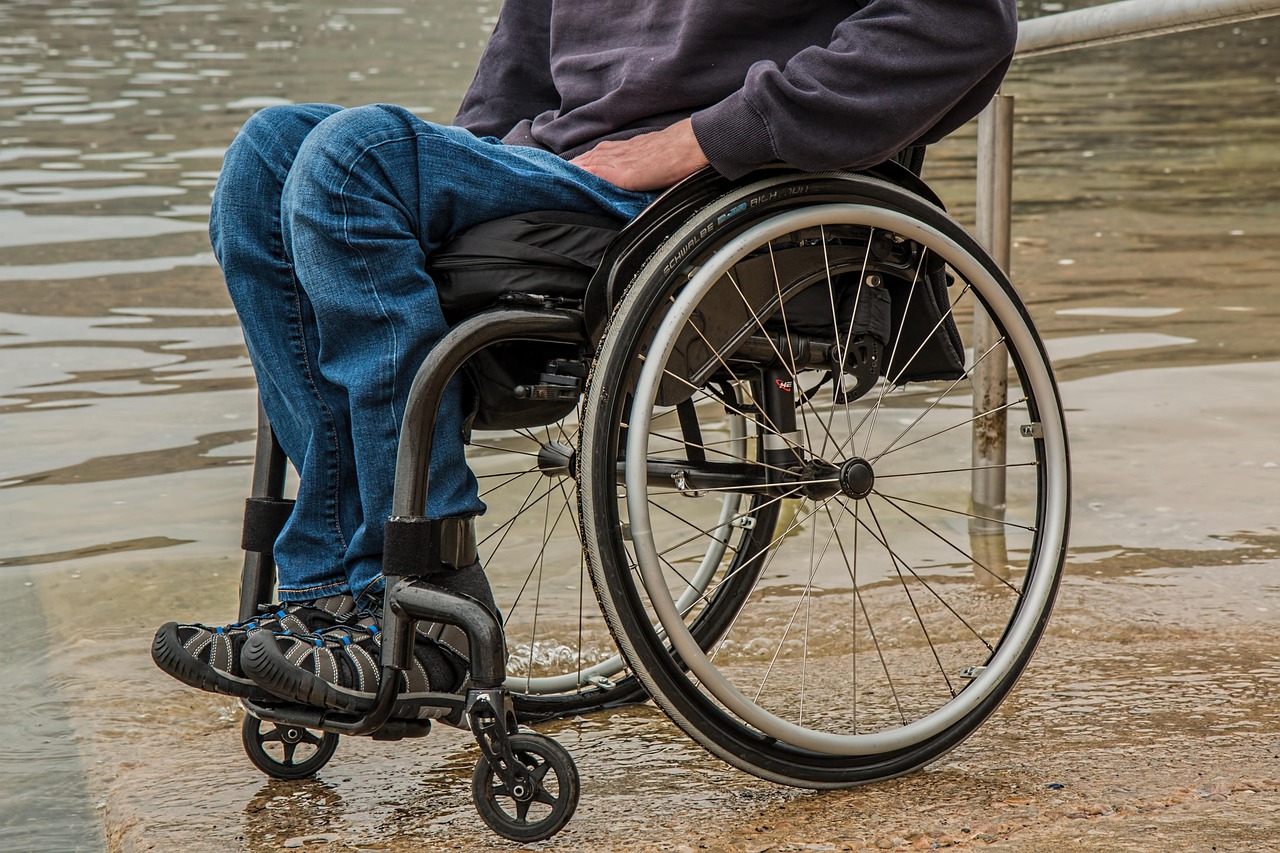
Hydrotherapy is a scientifically backed approach that uses water for therapeutic purposes, promoting rehabilitation and injury prevention. The design of hydrotherapy pools is essential to ensure that these therapeutic benefits are maximized. First, key considerations must include temperature control. The water temperature in a hydrotherapy pool significantly impacts patient comfort and therapeutic outcomes. Typically, the water should be kept at a warm 32 to 36 degrees Celsius to relax muscles, thus enhancing the rehabilitation process. Next, the design should facilitate easy access. Ramps, handrails, and non-slip surfaces are crucial to assist individuals with limited mobility. Incorporating these elements can result in a safer environment, which boosts patient confidence. Furthermore, privacy is vital. Patients often feel exposed in therapeutic settings, so designing private changing areas can significantly enhance their comfort and experience. Lastly, the size of the pool should accommodate various therapies, including individual sessions and group exercises. Therefore, a flexible design that allows for customization will cater to diverse rehabilitation needs.
Additionally, the integration of supportive technology in hydrotherapy pools can enhance therapeutic outcomes. Such technologies should include underwater treadmills and jet systems. Underwater treadmills allow patients to perform exercises with reduced weight-bearing stress, thereby promoting mobility during recovery. The incorporation of jets can provide resistance and assistance, making it easier to target specific muscle groups or enhance cardio fitness. The blending of water buoyancy and resistance offers a unique therapeutic mechanism not present in traditional land-based rehabilitation. Furthermore, incorporating adjustable lighting can help create a calming atmosphere, essential for relaxation and stress relief during sessions. The choice of materials for pool construction is also critical to ensuring longevity and safety. Non-porous, anti-slip materials help prevent injuries from falls and reduce the growth of harmful bacteria in wet environments. Maintaining cleanliness is imperative; hence, the pool should be designed for easy maintenance with accessible filtration and cleaning systems. Collectively, these technological and material considerations contribute to an optimized hydrotherapy environment, ensuring that patients can achieve effective injury recovery and prevention.
Program Development and Staff Training
Effective program development is essential for the success of hydrotherapy in facilitating patient recovery. Specialized protocols must be designed based on individual participant needs. For instance, patients with chronic pain require specific regimes to ensure safety while promoting healing. This necessitates collaboration between physiotherapists, occupational therapists, and rehabilitation nurses to develop a well-rounded approach. Training staff is equally essential to maintain high standards of care and therapy effectiveness. Healthcare professionals involved in hydrotherapy must be trained in specialized techniques related to water-based exercises. Moreover, staff should be educated about the safety protocols necessary when working with individuals susceptible to risks of injury. They must also be equipped to monitor patients closely and adjust interventions as required to maximize benefits. Additionally, ongoing training workshops can keep staff updated on the latest advancements and trends in hydrotherapy practices. This not only enhances therapeutic outcomes but also assures patients that they are receiving care from knowledgeable professionals. A well-trained team can motivate patients, fostering a positive atmosphere crucial for emotional recovery during rehabilitation.
Another vital consideration for hydrotherapy pool design is the environment surrounding the facility. The atmosphere can significantly influence patient experiences and outcomes. A therapeutic atmosphere should incorporate elements that promote relaxation and peace. Soft acoustic treatments such as calming sounds or gentle music can enhance stress relief, facilitating a smoother recovery process. Additionally, incorporating natural elements, like plants or live greenery, can help enhance the environment, making it feel less clinical. The visual appeal of the space can also be improved through appropriate color schemes and artwork. Warm, inviting colors help reduce anxiety levels among patients, promoting a sense of calm. Furthermore, the layout should encourage social interactions while maintaining individual privacy. This balance can be achieved through well-planned spaces that allow for group therapies without compromising personal comfort. To summarize, the holistic design of the hydrotherapy pool and surrounding areas is paramount. By focusing on environmental considerations, facility operators can improve patient receptivity to therapy, ultimately leading to quicker and more effective recovery outcomes.
Benefits of Hydrotherapy in Rehabilitation
The benefits of hydrotherapy extend beyond mere physical recovery; they encompass emotional and psychological well-being as well. Patients recovering from injuries often face isolation and anxiety, which can inhibit their healing journey. Hydrotherapy provides a supportive community environment, which fosters both social interaction and a sense of belonging. Participating in group sessions not only offers physical benefits but also emotional support, as individuals bond over shared experiences. Additionally, hydrotherapy can boost self-esteem. As patients regain strength and mobility in a supportive environment, they build confidence, essential for psychological recovery. This increase in confidence often transcends the therapy pool, enabling patients to engage more actively in daily activities. Moreover, hydrotherapy offers pain relief that medications or traditional physiotherapy may not achieve effectively. The buoyancy provided by water reduces stress on joints and muscles, facilitating freer movement without pain. Consequently, patients may experience an expedited recovery, optimizing their rehabilitation journey. Overall, the multifaceted advantages of hydrotherapy play a crucial role in addressing both physical injuries and the psychological impacts accompanying them.
Integration of individual goals into the rehabilitation process is another critical aspect of hydrotherapy effectiveness. Patient-centered approaches should be prioritized, ensuring that individual treatment plans align with personal health objectives. Understanding each patient’s unique challenges, limitations, and aspirations enables therapists to tailor interventions effectively. Regular assessments and feedback loops can enhance this personalized process, allowing for real-time modifications. Additionally, the involvement of patients in setting their goals fosters ownership of their recovery path, increasing motivation and commitment to the therapy. This collaborative approach cultivates trust between patients and therapists, fundamentally improving therapeutic outcomes. Moreover, it helps address the barriers that patients may face, ensuring that the treatment remains realistic and achievable. One viable strategy is to establish short-term milestones within the overarching recovery goals. Celebrating these smaller achievements can provide patients with positive reinforcement, further enhancing motivation. Together, these strategies reinforce the need for individualized, goal-oriented hydrotherapy on the road to injury prevention.
Conclusion
In conclusion, designing hydrotherapy pools requires a holistic approach that prioritizes patient comfort, safety, and effective rehabilitation outcomes. From temperature control to therapeutic technologies, every element plays a vital role in enhancing the recovery process. Furthermore, the importance of an empathetic and trained healthcare team cannot be overstated; staff training ensures that patients feel supported and safe during their recovery journeys. The surrounding environment significantly impacts patient experiences, making it essential to cultivate a welcoming atmosphere that promotes healing. Moreover, focusing on individual goals enriches the therapy experience, fostering patient participation while improving recovery outcomes. By implementing these meticulously crafted elements, hydrotherapy can fulfill its promise as a powerful tool for rehabilitation and injury prevention. Ultimately, an investment in the thoughtful design and execution of hydrotherapy pools promises not only to aid immediate recovery but to lay the groundwork for lifelong wellness and preventive care, thus enriching patients’ overall quality of life.
Achieving a successful rehabilitation outcome through hydrotherapy is truly a collaborative effort. By integrating all the discussed elements—environment, technology, patient goals, and staff expertise—rehabilitation facilities can create the ideal setting for healing. This cooperative ethos extends beyond the treatment area, influencing the wider culture of patient care and recovery. As hydrotherapy continues to evolve, ongoing research and feedback from patients will remain essential. Innovations will inevitably emerge to enhance existing protocols, ensuring that hydrotherapy remains at the forefront of effective injury recovery techniques. Hence, the future of hydrotherapy looks promising, holding the potential for improved health outcomes and recovery rates. As we embrace these adaptations and advancements, we can look forward to a new era in rehabilitation that prioritizes the holistic well-being of patients. All stakeholders, including healthcare professionals, facility designers, and patients, have a role to play in this journey. Furthermore, community awareness plays a crucial role in ensuring the sustainability of hydrotherapy programs, promoting the long-term benefits of embracing water-based rehabilitation. Together, we can create a healthier society where injury recovery becomes not only achievable but eminently successful.