
Improving Your Stance and Posture for Better Control
Skateboarding is a fun and exciting sport, appealing to many enthusiasts. For beginners, mastering your stance and posture is crucial for enhancing control over the skateboard. This foundational aspect helps in achieving better balance while performing tricks and other maneuvers on the board. Before stepping on the skateboard, it is essential to understand where your feet should be placed for optimal control. Place your front foot securely on the tail or center of the board, ensuring that it is parallel to the edges of the skateboard. Your back foot should generally be positioned conveniently over the tail of the board, ready to propel you forward or perform tricks efficiently. Additionally, maintaining an appropriate width between your feet depends on your comfort level and body dimensions, enhancing stability and balance during skating. Adjusting your foot placements to find the right position that feels natural is vital for maximizing your confidence on the skateboard, allowing you to focus on developing your skills without worrying about maintaining your balance. As you practice, find a suitable location with a smooth surface to build your confidence.
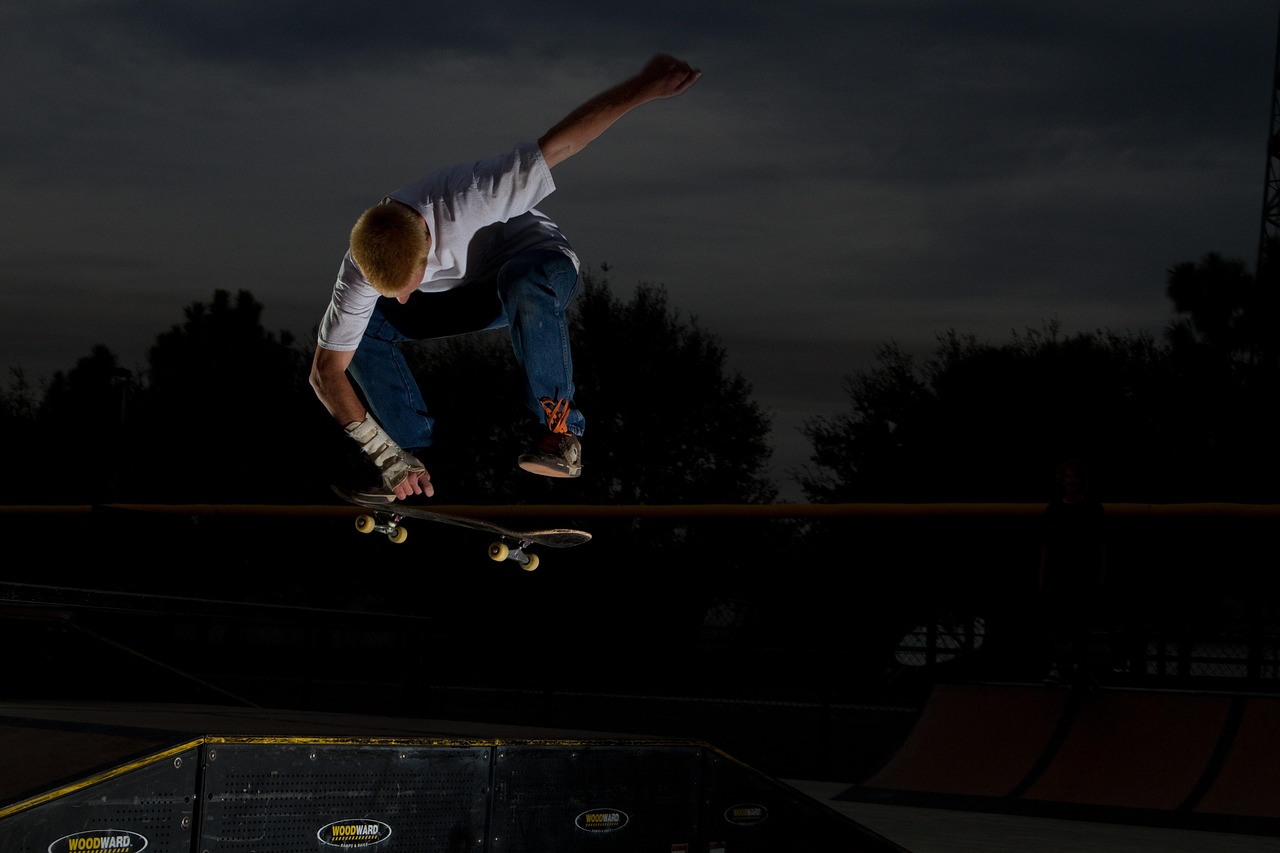
Aside from foot positioning, proper posture plays a significant role in skateboarding. Keeping your knees slightly bent allows for better absorption of shocks from landing jumps or bumps. Your torso should remain upright while leaning slightly forward, which contributes to maintaining balance during movement and turns. This posture effectively distributes your weight evenly across the skateboard, ensuring a smoother riding experience overall. Engaging your core muscles will also assist in achieving better control and stability on the board. These muscles provide additional support during turns, contributing to your ability to make sharp maneuvers without losing balance. In addition, developing strength and control in your legs can significantly enhance your overall performance and ability to handle various terrains. As you become more comfortable with your stance and posture, you may begin to notice an increase in your confidence level while skating. Ideally, practice in a safe environment should be a priority to minimize accidents while improving your skills. Moreover, getting feedback from more experienced skaters or instructors can further help you refine your technique.
The Importance of Balance in Skateboarding
Developing balance is critical when it comes to skateboarding. A well-balanced stance directly contributes to a satisfactory riding experience. Balance enables skaters to execute movements with precision, whether they’re attempting simple rides or complex tricks. To improve your balance, consider practicing basic maneuvers consistently. Start by standing still on your board and making minor adjustments to your foot placements to notice how these changes affect your balance. Gradually progress to rolling on flat surfaces, ensuring that you maintain a stable posture while moving. Focusing on where your body weight shifts during various actions is integral to refining your overall skills. Utilizing props, such as a balance board, can also assist in developing your core stability and body awareness. Balance training can be immensely beneficial in understanding how to maintain control over the skateboard as you progress to more advanced techniques. Keeping track of your progress encourages you to practice consistently and develop necessary muscle memory, aiding you in accurately controlling your movements. Always remember that patience is a key factor in mastering balance within skateboarding.
When navigating turns or maintaining control, practicing edge control is also key. Edge control refers to your ability to shift your weight seamlessly between the board’s tail and nose while maneuvering. This skill allows you to pivot efficiently without losing momentum or balance. An effective technique to practice edge control involves turning your shoulders and hips in the direction you wish to go. This technique exemplifies how shifts in posture and body positioning can influence your board direction. Incorporating small, controlled movements while turning can help familiarize you with how weight affects the skateboard’s response. Regular use of edge control drills, such as slalom courses or gentle inclines, can guide beginners in improving their control skills. With consistent practice in various environments, riders will develop an intuitive understanding of where their weight should be shifted for optimal turns. Ultimately, the combination of stance, posture, balance, and edge control serves as a solid foundation for all skateboarding skills. Make sure to apply these concepts collectively to reach your full potential in skateboarding.
Practice Techniques for Beginners
To harness these skills effectively, consistent practice is essential. Allocate time each week to devote to developing your stance, posture, and balance. Working on these elements daily allows for gradual improvements, which ultimately results in enhanced confidence and performance. Start with simple rides on flat surfaces to get familiar with your board and how your body naturally responds to different movements. Gradually increase the complexity of the terrain, exploring gentle slopes or mild inclines to further test your skills. Enlist the support of friends or skating groups to build camaraderie and motivation during your practice sessions. Experimenting with different surface types will help you adapt your techniques to varying environments, ultimately making you a more versatile skater. Additionally, practicing with a skateboard coach can bring valuable insight to your skillset and refine your techniques for better results. Understanding the mechanics of your body and how it interacts with the skateboard is fundamental for achieving mastery. Ultimately, the goal is to develop muscle memory, increasing your comfort level and allowing you to focus on creativity.
Joining a local skate community or group is another way to boost your confidence. Interacting with other skaters can help you learn new tricks while gaining insights into their techniques. You can exchange advice with other beginners or ask seasoned skaters for tips to refine your stance and posture. Local skate parks often host practice sessions, providing a safe environment for newcomers to get accustomed to their boards. Observing others can also inspire you to try different styles and techniques, which enhances your overall experience. Engaging with a community encourages open discussions about difficult areas in skating, and seasoned skaters will share their wealth of knowledge to help you grow. As you improve in your stance and posture, you may feel empowered to participate in small competitions or showcases. These events can enhance your skills further while providing a great opportunity to test your growth in real skating environments. Stay focused and committed to learning, as every skater’s journey is unique and rewarding in its own right.
Final Tips for Success
Lasting improvements in your skating will come from incorporating feedback and learning patience. As you practice, be aware of your progress and recognize when adjustments are needed. Keep a journal to track your technique development, noting when your stance feels more secure or when your balance improves during specific exercises. Patience and self-discipline through practice will make every step towards mastering your skills worthwhile. Remember, perfection comes with time and consistent effort, so embrace the journey as you refine your stance and posture over the weeks and months. Don’t hesitate to record your sessions to visualize improvements, which can be incredibly motivating. Celebrate small victories and focus on building your confidence while remaining open to constructive feedback from peers. Ultimately, discovering your unique style will take time and practice, but attention to stance and posture is crucial for better control on your skateboard. By dedicating time to practice and applying these tips, you can truly enhance your abilities as a beginner skater and take your skills to new heights.
As you embark on your skateboarding journey, remember that every skater starts somewhere. Accepting challenges and being open to learning from mistakes is essential for progress. Surround yourself with supportive friends and fellow skaters who inspire you to push your limits and embrace this thrilling activity. As you practice your stance, posture, and balance, you will gradually notice your abilities soar. Embrace each lesson learned along the way as they contribute to your growth, both as a skater and an individual. The art of skateboarding encompasses much more than just tricks; it fosters building confidence, resilience, and character. By taking the time to improve fundamental skills, you will ultimately become a more adept skater capable of facing various obstacles. With determination and passion, let your journey unfold and manifest improvements in your skills. Remember, skateboarding is not only about speed and tricks; it’s a lifestyle. Happy skating!