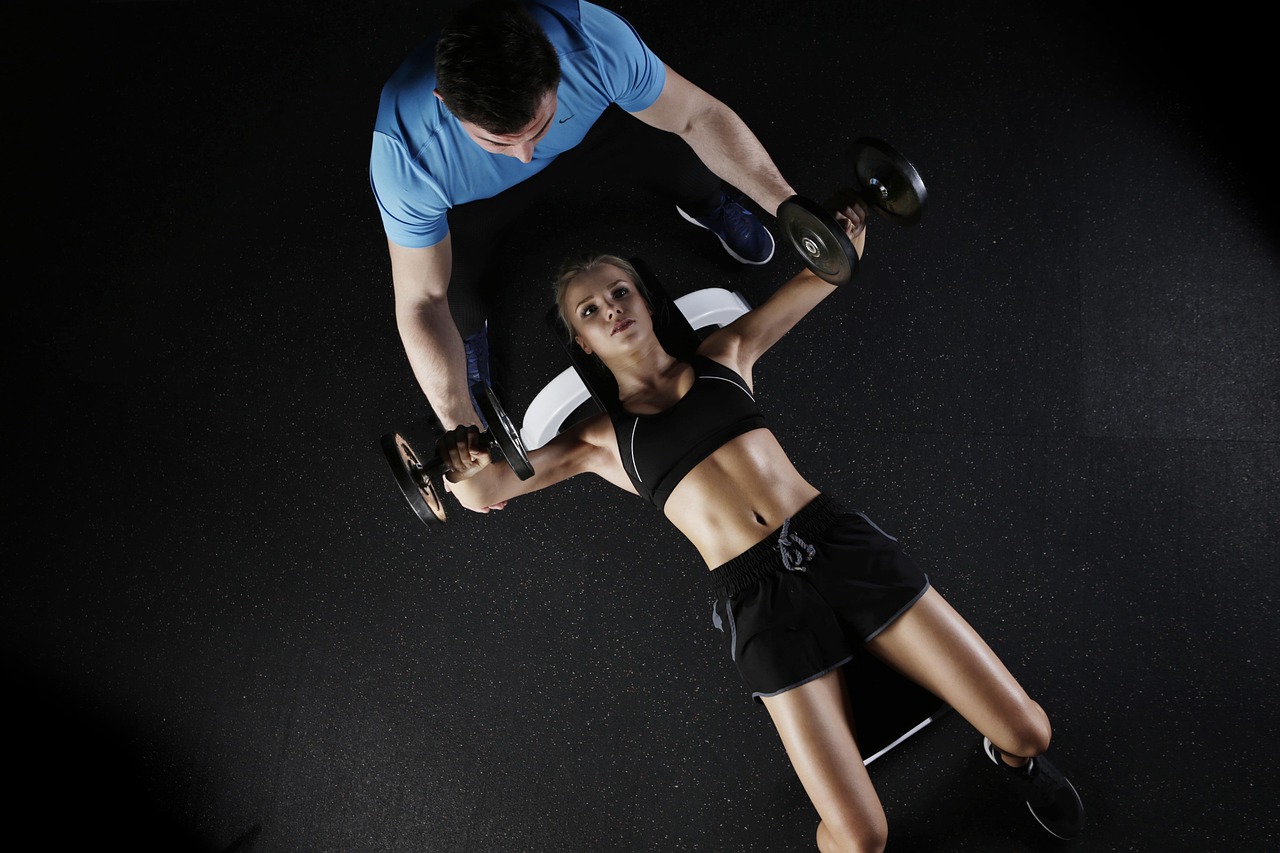

Rest and Recovery Strategies for Dumbbell HIIT Trainees
High-Intensity Interval Training (HIIT) with dumbbells is an effective way to enhance strength and burn calories rapidly. Maximizing these workouts requires understanding the crucial aspect of recovery. Proper recovery allows the body to repair, adapt, and grow stronger, ensuring that trainees can maintain consistency in their workout routines. Recovery strategies can include various techniques tailored to individual fitness levels. To improve recovery, it is essential to consider hydration, nutrition, and sleep. Staying well-hydrated minimizes muscle soreness and promotes recovery. Adding electrolyte-rich fluids can aid in maintaining hydration and preventing fatigue. Incorporating protein-rich foods post-workout helps repair muscles effectively. Utilizing active rest days with gentle activities such as yoga or walking can aid recovery as well. Sleep, often overlooked, is vital, as restorative sleep enhances muscle recovery and performance. Aiming for seven to nine hours per night is recommended. Ensure to listen to your body and adjust your HIIT schedule based on your fatigue levels, workout intensity, and overall health. This approach will pave the way for long-term gains and sustained performance in dumbbell HIIT routines.
Integrating stretching routines is essential for effective recovery after HIIT with dumbbells. Immediately following intense workouts, focusing on flexibility and mobility can alleviate tightness and prevent injury. A systematic approach to stretching should include both static and dynamic methods. Static stretching allows for lengthening muscles, improving postural alignment and joint stability. Meanwhile, dynamic stretching warms up the muscles, enhancing blood flow and overall flexibility. Specific targeted stretches for core muscle groups, arms, and legs can relieve muscle tension caused by intense HIIT sessions. Incorporating foam rolling into recovery also helps break down muscle knots and tight muscles. This self-myofascial release technique can promote blood circulation, reducing recovery time. Consider rolling major muscle groups affected by HIIT routines, such as quadriceps, hamstrings, and back. Furthermore, implementing yoga sessions once or twice a week can improve flexibility and facilitate recovery through mindfulness practice. Combining physical recovery approaches with mindful breathing techniques can encourage relaxation and mental clarity post-exercise. A well-rounded recovery plan focusing on stretching and foam rolling is paramount for all dumbbell HIIT trainees aiming for efficiency and long-term health and fitness success.
Hydration and Nutrition for Optimal Recovery
Nutritional strategies play a significant role in recovery following HIIT dumbbell workouts. A well-planned diet can significantly influence muscle recovery and overall performance. Proper macronutrient intake is essential, focusing primarily on proteins, carbohydrates, and healthy fats. Consuming protein-rich foods within thirty minutes after training helps expedite muscle repair. Ideal protein sources include chicken, fish, dairy, or plant-based alternatives. Carbohydrates provide the necessary energy to replenish glycogen stores depleted during intense workouts. Foods like whole grains or fruits are excellent choices for post-workout fueling. Healthy fats, found in avocados and nuts, contribute to reducing inflammation in the body and supporting brain function. Additionally, consider including electrolytes in your post-workout hydration strategy. Sports drinks or coconut water can restore essential minerals lost through sweat. Remember to consume adequate fluids throughout the day, not just after workouts. Hydration impacts overall physical performance and recovery time. Keeping a water bottle handy can remind you to sip regularly. Balancing these components will ensure your body effectively recuperates, ultimately leading to enhanced performance in future dumbbell HIIT sessions.
Mindfulness and mental recovery strategies are essential aspects often overlooked by dumbbell HIIT trainees. High-intensity workouts challenge not only the body but also the mind, necessitating effective mental recovery approaches. Practicing mindfulness techniques post-workout can enhance relaxation and re-energize the mental state. Techniques such as meditation, breathing exercises, or simple quiet reflection allow space for clarity and stress relief. Allocating time for mindfulness practices significantly impacts motivation levels and emotional well-being. Journaling about workout experiences or tracking progress can provide insightful reflections, promoting a positive mindset toward fitness goals. Additionally, engaging in activities that bring joy, like socializing with friends or enjoying hobbies, can greatly enhance mental recovery. These activities diversify the recovery process and aid in preventing burnout. When mental fatigue prompts a decrease in motivation, taking a gentle break to reconnect with enjoyable activities can yield positive outcomes. Practicing mental recovery alongside physical strategies creates a holistic approach, ensuring a balanced journey through HIIT training. Ultimately, prioritizing mental health contributes to a sustained passion for fitness and healthier long-term habits in HIIT with dumbbells.
The Importance of Sleep and Rest Days
Sleep plays an integral role in the recovery of muscle development and overall performance in HIIT dumbbell workouts. The body undergoes vital recovery processes during sleep, making it essential for trainees to prioritize their sleep health. The recommended sleep duration is typically between seven to nine hours per night, but individual needs can vary. Quality sleep should be maintained to reap the full benefits of recovery. Establishing a consistent sleep schedule can massively impact maintenance of energy levels and mood for workouts. Creating a conducive sleep environment is also significant; minimizing noise and light can allow deeper sleep cycles. Alongside sleep, incorporating rest days into training schedules is necessary to prevent overtraining. Alternating intense workout days with lighter exercise or rest days helps facilitate muscle repair and reduces the risk of injury. On rest days, consider engaging in low-impact activities that promote movement without overexertion, such as leisure walking, swimming, or stretching. This approach ensures muscles remain engaged while still allowing for recuperation. Ultimately, sleep and rest days must be honored as fundamental components of an effective HIIT program with dumbbells.
Listening to your body’s cues is vital to ensure optimal recovery for those engaging in HIIT with dumbbells. Each individual’s response to training intensity and recovery needs can vary significantly. Honoring personal fatigue signals and adjusting workout schedules accordingly will reduce the risk of injury and burnout. Implementing a training log can aid in tracking workout intensity, duration, and overall feelings of fatigue. By reflecting on this data, you can identify patterns of overtraining or recovery needs. Periodizing your training program can help distribute volume and intensity effectively, thereby maximizing long-term gains while allowing for sufficient recovery. Gradually increasing workout loads gives the body time to adapt while minimizing the risk of injury. An essential aspect of awareness is knowing when to switch to lower intensity workouts or rest completely. Combine your internal feedback with performance metrics to enhance your overall approach. Regular check-ins with yourself ensure adjustments when necessary and reinforce a sustainable and enjoyable training experience. Over time, this awareness will enhance the effectiveness of HIIT programs with dumbbells, leading to greater strength development and conditioning.
Incorporating Recovery Tools
Utilizing various recovery tools can help enhance the recovery process after dumbbell HIIT sessions. Incorporating recovery tools allows trainees to address muscle soreness and speed up recovery times effectively. Popular tools include foam rollers, massage balls, and percussion massagers. Foam rollers work by applying pressure to tight areas, reducing muscle tension and promoting blood flow. Consider using these tools post-workout to focus on muscle groups heavily engaged during HIIT. Massage balls can be used for targeted pressure on knots in specific areas, helping increase range of motion. Invest in a percussion massager for increased convenience and time efficiency, as they provide deep tissue massage, aiding in muscle recovery. Additionally, elastic bands can be incorporated into cool-down routines. Incorporating these bands can assist in enhancing mobility and flexibility after intense sessions. Lastly, compression wear, like sleeves or socks, may increase circulation and minimize muscle soreness post-training. Experimenting with these recovery tools helps find what works best for individual needs. The right mix of tools tailored to your recovery strategy can enhance overall performance and effectiveness during your dumbbell HIIT regimen.
In conclusion, proper rest and recovery strategies are paramount for those engaging in HIIT with dumbbells. Taking the time to prioritize recovery can prevent injuries, optimize performance, and prolong the fitness journey. Understanding how hydration, nutrition, mindfulness, sleep, and effective recovery tools contribute to the recovery cycle can empower trainees to make informed decisions. Committing to an organized recovery plan should not be considered additional work but rather a crucial component of any workout routine. Establishing a holistic approach to recovery will significantly enhance performance outcomes. Fostering mental and physical recuperation ensures keeping the body and mind in optimal condition, embracing fitness as a lifelong pursuit. Ultimately, success in HIIT programs with dumbbells lies in achieving a balance between training intensity and recovery. This balance effectively fosters strength, endurance, and overall well-being. Above all, listening to one’s body allows for adjustments, promoting sustainable and enjoyable fitness experiences. With thorough planning and dedication to recovery, any dumbbell HIIT trainee can anticipate seeing positive results on their fitness journey.