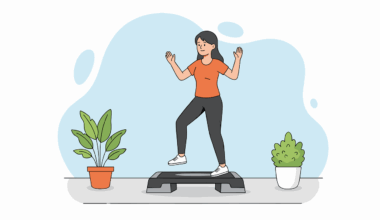

The Role of Core Strength in Senior Fitness and Independence
Core strength is vital for everyone, particularly seniors, as it supports functional movement and overall well-being. A strong core helps with stability and balance, reducing the risk of falls—a major concern for older adults. When seniors engage in core training, they experience improvements in posture, which positively impacts daily activities. Strong core muscles allow seniors to perform tasks like bending, lifting, and reaching with ease. Incorporating core exercises into a senior’s fitness routine increases their ability to perform everyday motions independently without assistance. Enhanced core strength translates into greater physical resilience and independence for seniors, enabling them to maintain a higher quality of life. Moreover, seniors can benefit from tailored exercises focusing on the core, adapted to their fitness levels and needs. Regular participation leads to muscle engagement and can even stave off age-related physical decline. In addition to physical benefits, exercising the core can improve mental well-being, providing reduced feelings of depression and anxiety. A holistic approach that integrates core training into fitness regimens can foster an enhanced sense of self-efficacy, uplifting seniors’ spirits as they gain confidence in their movements.
Important Core Exercises for Seniors
There are several effective core exercises for seniors that can be performed safely, meeting the unique needs of older adults. Exercises such as seated leg lifts, bridges, and standing marches enhance core stability and strength.
- Seated Leg Lifts: This exercise helps improve hip flexor strength while seated comfortably.
- Bridges: This exercise strengthens the glutes and lower back when executed carefully.
- Standing Marches: A safe option to also enhance balance and stability while standing.
Senior fitness programs often incorporate gentle stretches to complement core training, ensuring a well-rounded routine. Additionally, using supportive props like chairs or resistance bands can modify exercises as needed. Gentle yoga and tai chi also emphasize core engagement, prompt seniors to practice mindful movement. It promotes equilibrium and flexibility, which are critical attributes for maintaining independence in later life. Adopting a progressive approach to these various exercises encourages seniors to continue challenging themselves while preventing injury risk. Hence, promoting regular core workouts generates both immediate and lasting benefits for seniors, enhancing their overall fitness journey.
Engaging in core-strengthening workouts not only benefits physical health but also improves mental sharpness in seniors. Exercise stimulates the release of endorphins, which can lead to improved mood and overall brain function. For older adults, a well functioning core translates into greater confidence in mobility and physical activities, reducing feelings of helplessness or reliance on others. Introducing enjoyable group classes fosters social engagement alongside physical improvement, combating isolation that many seniors face. Classes centered around core training create opportunities for community bonding, laughter, and shared success among participants. Furthermore, the sense of accomplishment from mastering specific exercises can significantly boost self-esteem. Safety is paramount when designing programs for older adults. Therefore, professional trainers should tailor exercises that respect any physical limitations and health conditions each participant has. It is essential to foster a supportive environment where seniors feel comfortable ameliorating their strengths while acknowledging their boundaries. Notably, seniors should consult healthcare providers before beginning any exercise routine, ensuring their safety and suitability. This proactive approach helps reduce potential setbacks and guarantees a sustainable fitness journey that champions core strength and independence.
Common Mistakes in Core Training
While striving for optimal core strength, seniors often fall prey to common mistakes that can impair their progress or lead to injury. One prevalent error is performing exercises incorrectly due to lack of instruction or supervision. Engaging in improper form diminishes the effectiveness of the workout and increases the risk of strain.
- Rushing through movements: This leads to poor execution, neglecting the desired muscle groups being targeted.
- Neglecting rest: Overworking muscles without adequate recovery can lead to fatigue, ultimately hindering progress.
- Ignoring breath control: Proper breathing during exercises is essential for optimizing oxygen flow and muscle engagement.
To combat these issues, seniors should benefit from guided routines structured to promote correct posture and pacing. Understanding the importance of listening to one’s body can significantly contribute to progress and reduce frustration. Coach-led sessions provide valuable feedback, ensuring participants are performing exercises safely and effectively. Additionally, adapting workouts to individual capacity fosters a positive experience, allowing seniors to build a strong foundation, which is essential for continued success. Staying mindful and informed about these pitfalls can lead to healthier, happier exercise regimens.
As seniors become increasingly aware of the benefits of core strength, many seek innovative methods to integrate fitness into their daily lives. Maintaining regular participation in core training is vital for long-term success. For seniors, integrating small core workouts into their routines makes substantial impacts over time. Practical activities such as reaching for objects on a shelf or standing up and sitting down engage core muscles without needing a specified workout session. Furthermore, enjoyable activities like dancing or gardening can incorporate elements of core training while promoting cardiovascular health and social benefits. Crafting an engaging fitness program tailored to their lifestyle enhances compliance and sustainability. Seeking the support of friends, family, or community organizations can motivate seniors to commit to their fitness journey. Additionally, bringing awareness to community programs highlighting core exercises may provide further opportunities for socialized workouts. Highlighting that core training doesn’t solely happen in a gym setting can be encouraging for seniors. Ultimately, embracing flexibility and creativity in their fitness journey will promote resilience and a fulfilling life. By fostering these positive habits, seniors can unlock the potential for improved mobility, stronger muscles, and enhanced independence.
Tracking Progress in Core Training
Effective tracking of progress in core training is crucial for seniors wishing to evaluate their growth. Keeping a journal is one excellent method of monitoring successful milestones achieved over time. Documenting progress fosters motivation, empowering seniors to set achievable goals. Tracking methods can include measuring improvements in balance, flexibility, and strength elements associated with core workouts. For example, noting how many repetitions of an exercise can be performed over time can indicate increased muscle endurance. Additionally, maintaining records related to physical assessments led by instructors can be beneficial.
- Assessing balance: Participants can perform stability tests to observe enhancements.
- Flexibility measures: Methods to grade the ability to reach specific positions may also show results.
- Strength milestones: Long-term tracking can reveal milestones like standing without support for an extended period.
This method enables seniors to see tangible evidence of improvements triggered by their commitment. Furthermore, celebrating small victories fuels a sense of accomplishment and encourages perseverance. Remaining patient and mindful of progress reinforces the understanding that core training is a gradual journey that improves overall physical wellness.
In conclusion, the focus on core strength plays a significant role in enhancing senior fitness as it directly impacts their independence. Every effort made in strengthening the core muscles translates into tangible improvements in daily functional activities. By engaging seniors in a variety of core exercises and providing support for safe practice, fitness professionals can effectively foster lasting benefits. Not only do stronger cores contribute to a reduction in fall incidents, but they enhance seniors’ overall health and vitality. The collaborative approach towards training can promote positive community experiences, driving individuals to work together and share their fitness journeys. Embracing community support enables seniors to overcome challenges and achieve their goals, empowering them to lead fulfilling lives. As they witness their progress, seniors are likely to continue building strength and developing a healthier lifestyle. This cyclical achievement fosters resilience while encouraging an active lifestyle that extends beyond exercise routines. By raising awareness about the importance of core strength, society can help reinvigorate the minds and bodies of seniors throughout our communities. Importantly, continuous encouragement and education can lead to a more active, engaged, and independent aging population.