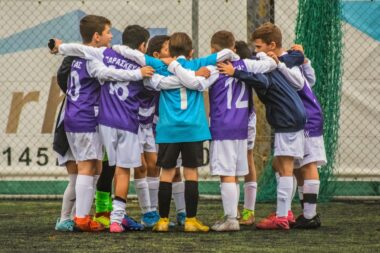

The Role of Leadership in Motivating Sports Teams
Leadership plays a vital role in motivating sports teams, as effective leaders inspire their players to excel. Team success often stems from a strong leader who clearly communicates goals and expectations. A great leader fosters an environment of trust and collaboration among players, helping them feel valued. When team members believe in their leader and their vision, they are likelier to stay motivated. Developing a positive team culture is crucial, as it directly influences performances. Leaders should encourage open dialogue, allowing players to voice opinions. By promoting team unity, leaders can help individuals see their roles as integral parts of a larger mission. Furthermore, consistent encouragement from leaders enhances player morale and their commitment to the team’s goals. Recognizing individual accomplishments also plays an important role in fostering motivation. Through reward systems, leaders can capitalize on players’ achievements, reinforcing their dedication and collective pursuit of success. Lastly, mentorship is key – leaders guiding players through their challenges can build resilience, enhancing group motivation and drive. In essence, strong leadership is the backbone of any motivated and successful sports team, leading to exceptional outcomes on and off the field.
Motivating a sports team requires a hands-on approach from leadership, focusing on individual needs while maintaining team cohesion. This balance is critical; leaders must recognize that each athlete is unique and may respond differently to motivational strategies. Personalizing motivation fosters a deeper connection and understanding between leaders and followers. By establishing personal relationships, leaders can analyze players’ strengths and weaknesses effectively. This knowledge enables them to tailor their motivational tactics appropriately. For instance, some players may thrive under pressure, while others may require a supportive environment to excel. Additionally, leaders should prioritize transparency in communication. Athletes appreciate knowing what is expected of them and how their roles contribute to the team’s success. Regular meetings and discussions can clarify these expectations and create a sense of accountability. Initiating team-building activities, both on and off the field, further strengthens relationships, enhancing motivation. Leaders should also be role models exhibiting passion, hard work, and resilience. Demonstrating these qualities encourages athletes to emulate them, creating a culture of motivation. Emphasizing growth and development helps solidify the bond among team members, fostering a collective commitment to improving performance and teamwork.
Communication Strategies for Motivating Teams
Effective communication is undeniably essential for motivating sports teams, and leaders must hone this skill to achieve optimal performance outcomes. Clear messaging ensures that athletes understand directives and expectations, reducing confusion and potential frustration. Utilizing various communication methods, including verbal feedback, written updates, and even visual aids, can enhance comprehension and retention. Encouraging two-way communication fosters a culture of feedback, where players feel comfortable expressing concerns or suggestions. This openness creates trust between leaders and the team, leading to increased buy-in. Regular check-ins during training sessions and team meetings promote transparency, strengthening connections within the group. Leaders should practice active listening, making athletes feel valued and heard. Regularly acknowledging players’ opinions and integrating them into team strategies enhances motivation and commitment towards collective goals. Additionally, celebrating wins, both small and large, helps to create a positive atmosphere. Recognizing individual contributions within the team reinforces commitment and unity. Leaders should ensure that athletes receive constructive feedback to foster growth and improve performance. Taking these steps contributes to a motivated team that is willing to work together and strive for excellence, unlocking their full potential in competitive environments.
Motivation strategies for sports teams enhance performance, and leaders play a significant role in implementing them effectively. Establishing clear objectives is essential, as it provides athletes with a sense of direction and purpose. Leaders should set both individual and team goals aligned with the team’s broader vision, allowing players to map out their contributions. SMART goals—Specific, Measurable, Achievable, Relevant, and Time-bound—can create attainable targets, driving motivation. Encouraging a growth mindset is equally crucial for leadership. Athletes must embrace challenges, viewing setbacks as opportunities for improvement. This mentality promotes resilience and fosters a passionate work ethic. Leaders should encourage regular practice and reflection to help team members develop their skills continually. Personalized feedback on performance can ignite motivation, ensuring each player stays focused on achieving personal and team goals. Creating an environment of healthy competition among players can also enhance motivation. Friendly competitions can spark enthusiasm and drive improved performance, pushing athletes to strive for excellence. Efficient time management is vital for training schedules and goal timelines, as it sets athletes up for success. Overall, adopting these strategies fosters motivation and helps sports teams outperform their expectations consistently.
The Impact of Recognition and Rewards
Acknowledgment plays a crucial role in motivating sports teams, and leaders must create systems that recognize athletes’ contributions. Positive reinforcement boosts self-esteem, encouraging continued hard work. Recognizing both individual achievements and collective team success through awards or public acknowledgment can ignite motivation among athletes. Celebrations of milestones, such as breaking personal records or winning games, foster a sense of pride and accomplishment. Leaders should differentiate between intrinsic and extrinsic motivation, understanding how rewards can influence athletes’ performance. While external incentives are effective, fostering a manifest passion for the sport is essential. The right balance between these two types of motivation is crucial for sustaining long-term engagement and commitment. Conducting regular performance reviews and feedback sessions can enhance motivation by reinforcing growth areas. These evaluations should highlight accomplishments to keep athletes encouraged and engaged. Personalized recognition is key to maintaining motivation; leaders should take the time to understand what drives each player. Individual preferences for recognition can differ, so it’s essential to tailor rewards accordingly. By implementing these strategies, leaders promote a positive culture, supporting growth and sustained motivation within sports teams, paving the way for overall success.
In addition to recognition, fostering a sense of ownership among athletes is vital for motivation within sports teams. Leaders can promote this by involving players in decision-making processes related to training, strategies, and goal-setting. When athletes feel that their opinions hold weight and that they play crucial roles in the team’s direction, they often exhibit heightened motivation. Empowering team members can occur through assigning responsibilities, giving players opportunities to lead drills or presentations. This approach nurtures an environment that encourages personal and collective accountability. Leaders should also emphasize the significance of collaboration and teamwork, as these elements are vital to team dynamics. Facilitating opportunities for team bonding helps build camaraderie among players, enhancing motivation and commitment to shared goals. Furthermore, leaders should continuously analyze team dynamics, adjusting strategies as needed to maintain a positive atmosphere. Continuous improvement processes can help in optimally addressing athletes’ needs, ensuring high motivational levels. Encouraging a culture of celebrating efforts, regardless of outcomes, can reinforce a strong sense of belonging. Thus, leaders must prioritize creating a collective vision and instilling pride in teamwork, ultimately leading to motivated performers ready to excel on the field.
The Role of Adaptability in Leadership
Adaptability is an often-underestimated quality in leadership, significantly influencing effective motivation strategies for sports teams. As challenges and circumstances change, leaders must adjust their approaches to accommodate the evolving needs of their athletes. Recognizing that different players may respond variably to their motivators, leaders should remain flexible and ready to experiment with new techniques. Consistent re-evaluation of strategies ensures that motivational efforts effectively connect with individual players. Furthermore, leaders must be able to recognize when actions are not working, making timely changes to avoid disruptions. Adapting communication styles to different personalities can strengthen connections with athletes, fostering engagement and motivation. Leaders should also assess their emotional intelligence and empathize with team members’ feelings and experiences. Understanding athletes’ perspectives enables leaders to provide appropriate support and encouragement. Acknowledging and addressing stressors, both on and off the field, is crucial in maintaining motivation. Ultimately, fostering an adaptable leadership approach deepens relationships and encourages athlete engagement in the team’s vision. Embracing change and flexibility creates a resilient team culture, motivating athletes, and steering them toward shared goals for success. Effective leaders help pave the way for empowered athletes to thrive in various challenging environments.
In conclusion, the role of leadership is paramount in motivating sports teams, fostering a culture of commitment and excellence. By implementing effective strategies tailored to individual needs while promoting collective goals, leaders can enhance athletes’ motivation. Prioritizing open communication builds trust and accountability within the team, enabling athletes to share their thoughts and feelings. Acknowledging accomplishments reinforces positive behaviors and encourages continued effort. Additionally, creating a sense of ownership among players instills pride and commitment to the team’s mission, leading to improved synergy and performance. Leaders’ adaptability ensures they remain relevant and effective, making timely changes in response to evolving athletes’ needs. Recognizing and celebrating individual and team achievements fosters a positive atmosphere, igniting passion and motivation. Investing in athletes’ personal growth and development nurtures their long-term involvement and dedication to the sport. Building a supportive team culture where every member feels valued can transform the motivation landscape within any sports team. Thus, an effective leader possesses the vision, communication skills, and emotional intelligence to inspire athletes to give their best, ultimately achieving outstanding team performance and success throughout their sports careers.