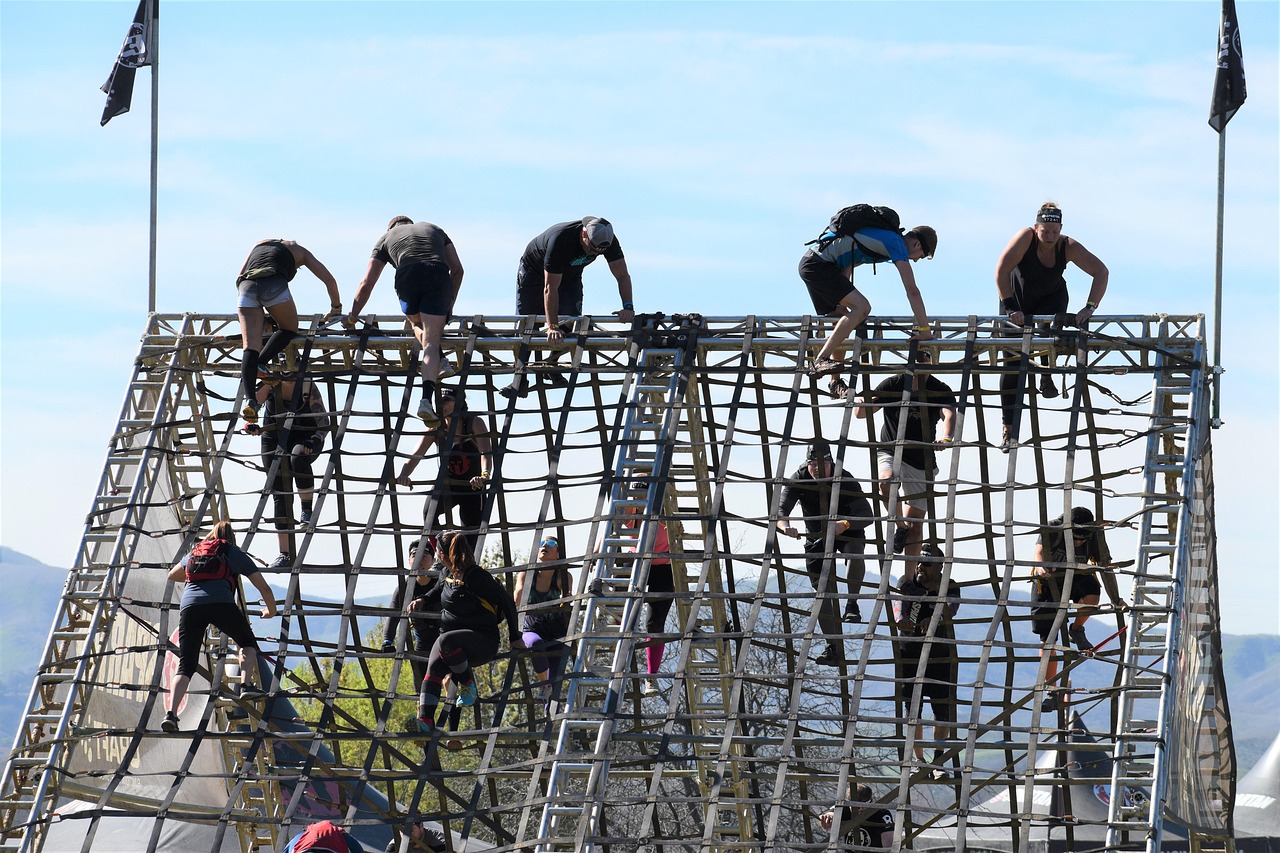

Best Warm-Up Routines Before an Obstacle Course Race
Preparing for an obstacle course race is crucial for ensuring optimal performance and minimizing the risk of injury. A proper warm-up routine enhances your flexibility, increases muscle temperature, and primes your cardiovascular system. It is vital to start with a 5 to 10-minute dynamic warm-up. This may include activities like jogging, arm circles, and leg swings. Consider incorporating specific obstacle-focused tasks as part of your warm-up. For instance, you might perform bear crawls or skip in place to stimulate similar movements used during the race. Stretching is equally important, particularly dynamic stretches that engage your muscles without overstretching. A well-thought-out warm-up routine should also focus on core activation since a strong core helps maintain balance during challenging course segments. Pay attention to your breathing as you warm up; rhythmic breathing keeps your oxygen levels balanced. Finally, prepare your mind; think through obstacles and visualize successful navigation. With a solid warm-up, you will be more equipped to take on those obstacles, ensuring an effective and enjoyable race experience that leaves you feeling great afterward.
Dynamic Stretches for Enhanced Mobility
Dynamic stretches are an essential component of any solid warm-up routine, especially before participating in an obstacle course race. These stretches encourage movement and flexibility, which are directly transferable to the agility required in racing. Some effective dynamic stretches include walking lunges, high knees, and inchworms. To begin, take a step forward into a lunge, alternating legs, to work on hip mobility and leg strength. High knees jog your legs while elevating your knees towards your chest, promoting cardiovascular readiness and leg extension flexibility. Meanwhile, inchworms help activate the core and stretch the hamstrings. Aim to perform each dynamic stretch for about 30 seconds. To ensure efficiency, incorporate functional movements that replicate the actions taken during the actual race. This might involve lateral shuffles or quick feet drills, which focus on agility and speed. Breathing steadily during these stretches helps maintain stamina through each maneuver. The use of these stretches not only warms up the body but also sets a positive mental tone. An energized mindset alongside proper physical readiness ensures that participants are battle-ready when they face the race ahead.
Another important aspect is the inclusion of mobility exercises specifically targeted for runners. Hip openers are vital to avoid stiffness. Consider exercises like leg swings or hip circles which can greatly enhance your range of motion. For instance, while standing, swing one leg forward and backward, ensuring that your hip joint gets a full range of motion. Progress to side leg swings, pushing your leg outward before returning it beneath. Not only do these activate muscles needed for running and climbing obstacles, they also prepare the tendons and ligaments in your joints. Additionally, incorporating calf raises can help strengthen lower leg muscles that endure great strain during races. Simply rise onto your toes and lower yourself back down, repeating this for both legs. To enhance balance, try single-leg raises or tree stands. A final practice is skipping with exaggerated motions, as it prepares the knees and hips for jumping tasks. Performing these mobility exercises for around 10 minutes maintains focus and keeps energy levels high while increasing circulation throughout your body. Ultimately, enhanced mobility contributes significantly to improved race-time performance and enjoyment.
Focus on Upper Body Warm-Up
Obstacles in OCR often involve upper body strength, so dedicating time to warming up this muscle group is equally important. Effective upper body warm-ups can significantly enhance grip strength, arm endurance, and overall upper physique readiness. Start with arm circles, gradually increasing the size and repetitions, warming up shoulders effectively. Proceed to push-up variations, such as incline or knee push-ups, to activate the chest and arm muscles. Once your chest and triceps feel engaged, practice movements that simulate climbing, like scapular pull-ups and band pulls. Scapular pull-ups engage the muscles necessary for climbing ropes and other obstacles. Additionally, perform wrist stretches and rotations to prepare the smaller muscles in the forearm. This helps prevent strain during gripping activities and ensures full range of movement. You can also integrate core exercises like planks or modified planks, emphasizing stability needed for upper body engagement. Finally, do a dynamic high pull motion, where you mimic lifting and pulling forces required to conquer obstacles. Performing a dedicated upper body warm-up efficiently leads to better grip and performance, positively affecting race results overall.
In addition to standard warm-up routines, some participants may benefit from practicing specific obstacle movements ahead of race day. Engaging directly with obstacles, when possible, aids in mentally preparing participants for what to expect. Before jumping into actual obstacle courses, test out various movements in a safe environment. For example, practice wall climbs using a sturdy environment, focusing on grip and leg strength. Another useful drill is rope climbs, where techniques of foot placement and coordination significantly improve performance. Incorporate crawling and rolling movements to simulate what racer’s experience. These drills help develop muscle memory specific to obstacles. Ensure proper supervision while practicing, as safety is a priority during these training sessions. Record yourself performing these obstacle drills and reflect on how you can enhance your technique. This method not only boosts physical preparedness but mentally conditions participants for the actual race. Establishing routines that include skill mastery is advantageous, leading to confidence on race day. Creating familiarity with race dynamics leads to efficient navigation, which is paramount for a successful finish without an unsatisfying experience.
Boost Recovery with Cool Down Exercises
Post-race cool downs are an essential element of the warm-up routine, although they may seem retrospectively irrelevant. Proper recovery effectively reduces muscle soreness and enhances overall flexibility after the event. Spend about 5-10 minutes engaging in low-intensity activities like walking or slow jogging, which allows your heart rate to gradually return to normal. Afterward, focus on static stretching targeting all major muscle groups utilized in the race. Thighs, calves, back, and arms are particularly important to stretch after challenging tasks given the exertion levels reached. Hold each stretch for about 20-30 seconds to effectively promote muscle relaxation. As part of the cool down, prioritize hydration, as drinking water or sports drink contributes to quicker muscle recovery. Consider performing gentle yoga stretches or deep breathing exercises to promote relaxation. These activities serve both physiological and psychological purposes, ensuring you leave the event feeling refreshed. By cultivating consistent practices surrounding warm-up and cool down, you establish stronger foundations for subsequent races. Ultimately, prioritizing recovery sets you up for continued success in future competitions.
Finally, consider psychological warm-up strategies, vital to obstacle course races, where mental preparedness can often match physical. Visualization practices help racers mentally assess each obstacle, boosting confidence. Before starting, create a detailed mental image of the course and the obstacles faced. Prepare mentally for each segment through breathing exercises or positive affirmations. Picture executing every element perfectly; visualize jumping, climbing, and crawling efficiently. Engaging in mindfulness techniques, such as meditation, can purge anxiety while improving focus. In addition, ensuring comfort with your equipment can enhance the experience; prepare gear beforehand and ensure a good fit. Familiarity with the race plan assists in reducing pre-race jitters. These mental exercises work well in conjunction with physical warm-ups, allowing participants to affirm their abilities. Concluding the warm-up routine with a positive mantra keeps motivation high and instills confidence. Participants should encourage themselves to be resilient and ready to tackle challenges. Formulating effective warm-up habits, both physically and psychologically, results in an overall better race experience. This approach leads to not only personal bests but also enjoyable memories facing various obstacles.